Farm Sheds: Essential Features for Australian Conditions
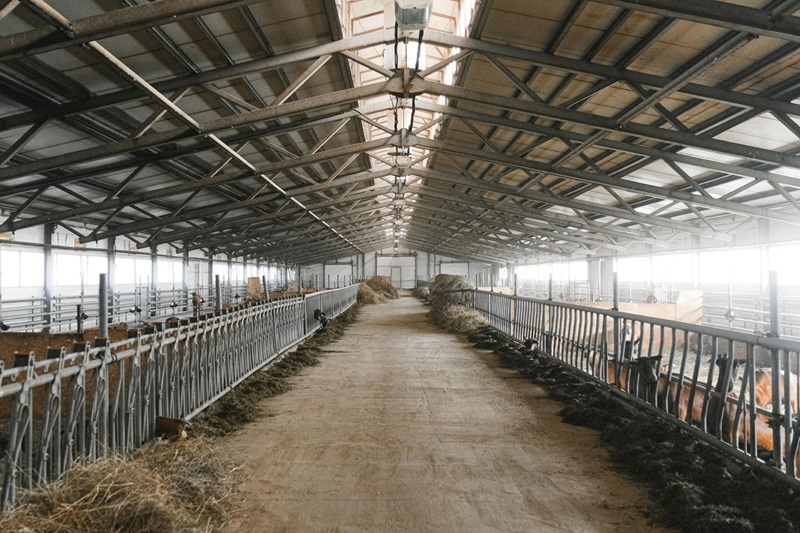
You don’t build a farm shed in Australia the same way you would anywhere else. The land pushes back. Heat, wind, dust, and sudden storms all test your structure every single day. If your shed can’t handle that, it won’t last long. That’s why smart design matters from the very start.
More than a simple shelter, you need a shed that works with your environment, not against it. Every choice, from materials to layout, shapes how well it performs over time. Let’s break down the essential features you should focus on to get it right.
Durable Materials That Withstand Harsh Climates
You can’t cut corners on materials in Australian conditions. Intense UV exposure breaks down low-quality finishes quickly, while heavy rain and humidity trigger corrosion if the wrong metals are chosen.
Working with specialists who design and construct farm sheds ensures the right materials are selected from the outset. Experienced builders understand how galvanised steel and metal cladding perform under extreme weather, saving you from costly mistakes later. Timber can still be used, but only when properly treated and maintained to guard against termites and moisture damage.
With the right combination of steel and treated timber, your shed can withstand the environment and deliver long-term value without constant repairs.
Smart Ventilation for Heat Control
Heat build-up is one of the biggest issues you’ll face. Step inside a poorly ventilated shed on a summer day, and you’ll feel it instantly. The space becomes stifling. That’s why airflow must be part of your design, not an afterthought.
You should include ridge vents, wall vents, or even open bays, depending on your use. These features allow hot air to escape while drawing in cooler air. This natural airflow reduces internal temperatures without relying on power.
Insulation also plays a role here. Reflective foil insulation can deflect radiant heat from the roof. Combined with proper ventilation, it keeps your shed noticeably cooler, protecting both your equipment and your comfort.
Structural Strength Against Wind and Storms
Australia’s weather can turn aggressive without warning. Strong winds, especially in rural and coastal areas, can place huge stress on your shed. For this reason, your structure must be engineered to handle those loads.
You should anchor your shed securely to a solid foundation. Concrete slabs work best for stability, preventing shifting and helping distribute wind forces evenly. Without proper anchoring, even a well-built shed can fail.
Bracing is just as important. Cross-bracing in walls and roof sections strengthens the entire frame. It reduces sway and keeps everything rigid during storms. If you’re in a cyclone-prone region, you may need reinforced designs that meet stricter standards.
Flexible Design for Multiple Uses
Your farm shed should adapt to your needs. Today it might store machinery, but tomorrow it might house livestock or serve as a workshop. This underscores the importance of flexibility when planning your layout.
You should think about clear spans and open interiors. Fewer internal columns mean more usable space. That makes it easier to move large equipment or reconfigure the area later. Wide access doors also help, especially for tractors and trucks.
Consider adding mezzanine levels or partitioned sections. These features give you extra storage or workspace without expanding the footprint. A flexible shed saves you from needing a second structure down the line.
Effective Drainage and Water Management
Water can cause more damage than you expect. Heavy rainfall can flood your shed if drainage isn’t handled properly. Over time, that leads to foundation issues and material degradation.
If possible, you should position your shed on slightly elevated ground to help water flow away naturally. Gutters and downpipes are also essential. They direct rainwater off the roof and away from the base.
Adding drainage channels or gravel perimeters further improves runoff control. These small details protect your investment and keep your shed usable even during wet seasons.
Access, Safety, and Practical Layout
Aside from standing strong, a good shed works efficiently every day. This means access and layout are just as important as materials and structure.
You should plan entry and exit points based on how you’ll use the space. Large sliding or roller doors make movement easier. Place them where vehicles naturally approach to reduce awkward manoeuvring and save time.
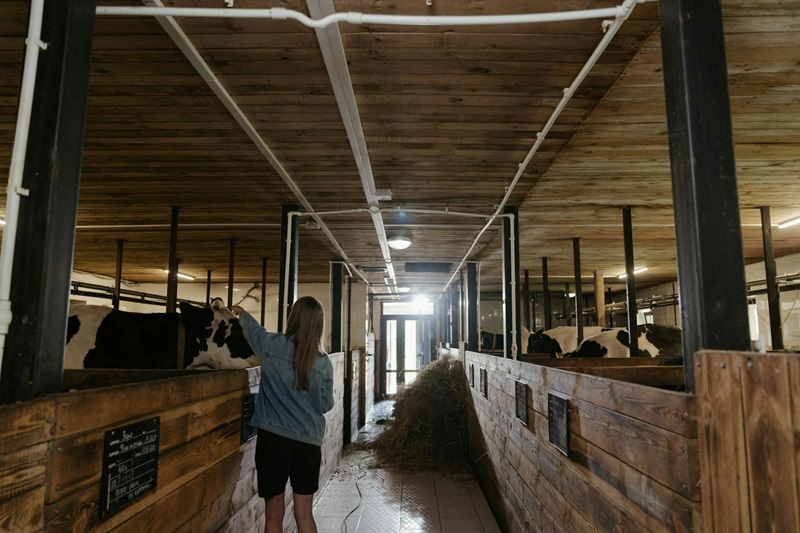
Lighting and safety features also deserve attention. Natural light panels can reduce reliance on electricity during the day. At the same time, proper electrical setups and fire safety measures protect both people and assets. A well-thought-out shed supports your workflow, not slows it down.
Low Maintenance for Long-Term Value
You don’t want to spend your time constantly fixing your shed. Low-maintenance design should be a priority from the start, as it keeps costs down and operations running smoothly.
It’s smart to choose finishes that resist fading, rust, and wear. Pre-painted steel with baked-on coatings holds up better over time. It also keeps your shed looking clean and professional with minimal effort.
Simple design choices help too. Fewer joints and overlaps reduce areas where dirt and moisture collect. Easy-to-clean surfaces make routine upkeep faster. When your shed requires less attention, you can focus more on your work.
Final Thoughts
Building a farm shed for Australian conditions means thinking ahead. Every feature you include should solve a real problem you’ll face on your property. When you get those details right, your shed becomes a reliable asset, not a liability.
So, take the time to plan carefully and choose wisely. A well-designed shed goes beyond surviving the environment. It will support your operations for years to come and make daily work easier from the moment you step inside.