Energy Efficiency and Aluminum Sliding Doors in Different U.S. Climate
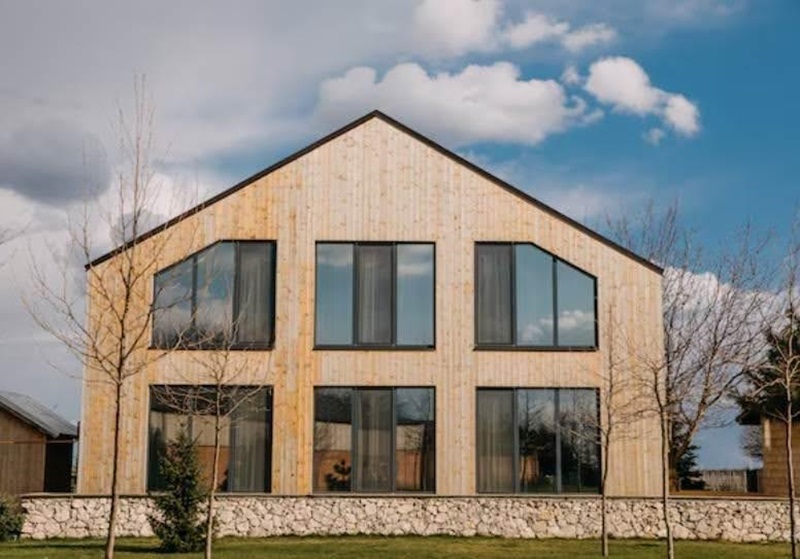
What Makes Aluminum Sliding Doors Suitable for Various Climates?
Aluminum sliding doors are engineered to perform effectively across a wide range of U.S. climates due to their structural strength and adaptability. Aluminum’s rigidity allows for expansive glass panels that maximize natural light while maintaining thermal integrity. Modern designs integrate thermal break technology, which minimizes heat transfer between the inside and outside surfaces of the frame, significantly improving insulation performance.
The integration of advanced glazing options is another defining feature. Low-emissivity (low-E) coatings, double or triple glazing, and gas-filled units allow these doors to adapt seamlessly to both cold northern and warm southern regions. For homeowners seeking a reliable sliding door buying guide, understanding these materials and technologies is crucial when evaluating energy-efficient models.
How Climate Zones Affect Door Performance
Regional climate conditions directly influence how aluminum sliding doors perform over time. In colder zones such as the Midwest or Northeast, insulated frames combined with low-E glass minimize heat loss during winter months. In coastal or humid areas like Florida or the Pacific Northwest, corrosion-resistant finishes protect the frame from moisture damage and salt exposure. Meanwhile, desert climates benefit from reflective coatings that reduce solar heat gain, keeping interiors cooler and lowering air conditioning loads.
When considering what to consider when choosing sliding doors, homeowners should assess local temperature ranges, humidity levels, and exposure to sunlight to ensure optimal long-term performance.
The Design and Engineering Behind Energy-Efficient Aluminum Sliding Doors
Key Features That Improve Energy Performance
Energy-efficient aluminum sliding doors incorporate several engineering innovations designed to enhance insulation and durability. Thermal breaks—non-metallic barriers within the frame—prevent condensation by separating interior and exterior aluminum layers. Multi-point locking systems not only improve security but also increase airtightness by ensuring consistent pressure along the door seals. Double or triple glazing further enhances U-value performance by reducing conductive heat flow through the glass.
Materials and Frame Construction Techniques
Thermal Break Technology Explained
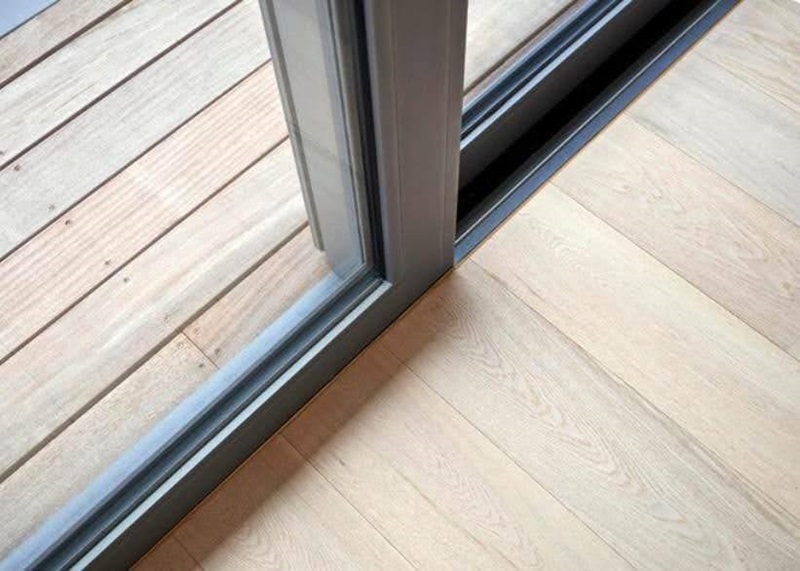
Polyamide strips serve as an insulating barrier between the inner and outer layers of aluminum frames, effectively reducing thermal bridging. This design improves comfort by maintaining stable indoor temperatures throughout seasonal variations while preventing condensation buildup on interior surfaces.
Glazing Options for Better Insulation
High-performance glazing plays a vital role in energy savings. Low-E coatings reflect infrared radiation while allowing visible light transmission, optimizing natural illumination without overheating interiors. Gas fills such as argon or krypton within multi-pane units add another layer of thermal resistance—an essential factor when learning how to choose sliding doors suited for energy-conscious homes.
Installation and Maintenance for Long-Term Efficiency
How Proper Installation Influences Energy Savings
Even the best-engineered aluminum sliding door requires precise installation to achieve peak efficiency. Accurate alignment ensures smooth operation while maintaining tight seals against drafts. Insulated sills combined with high-quality weatherstripping prevent air leakage around the frame perimeter—reducing unwanted energy loss during heating or cooling seasons.
Maintenance Practices to Preserve Door Performance
Routine maintenance extends the lifespan of any aluminum sliding system. Regular cleaning of tracks prevents debris accumulation that can hinder smooth gliding motion. Annual inspection of seals ensures they remain flexible and effective in blocking air infiltration. These practices not only preserve functionality but also help sustain energy efficiency levels over decades of use.
Comparing Aluminum Sliding Doors Across U.S. Climate Zones
Which Aluminum Sliding Door Works Best in Cold Regions?
For cold regions, opt for models featuring deep-profile frames with integrated thermal breaks, triple-glazed units, and low-E coatings that trap interior warmth while reflecting external cold air. These specifications align with tips to choose the aluminium sliding door that performs optimally under sub-zero conditions.
Are Aluminum Sliding Doors Effective in Hot or Humid Areas?
In hot or humid environments, UV-resistant finishes are essential for preventing surface fading or corrosion from prolonged sun exposure and moisture contact. Ventilated designs can also help manage indoor humidity levels efficiently while maintaining structural integrity—a key aspect when evaluating what to consider when choosing sliding doors for coastal properties.
Integrating Aesthetic Design with Energy Efficiency Goals
How Can Homeowners Balance Style and Sustainability?
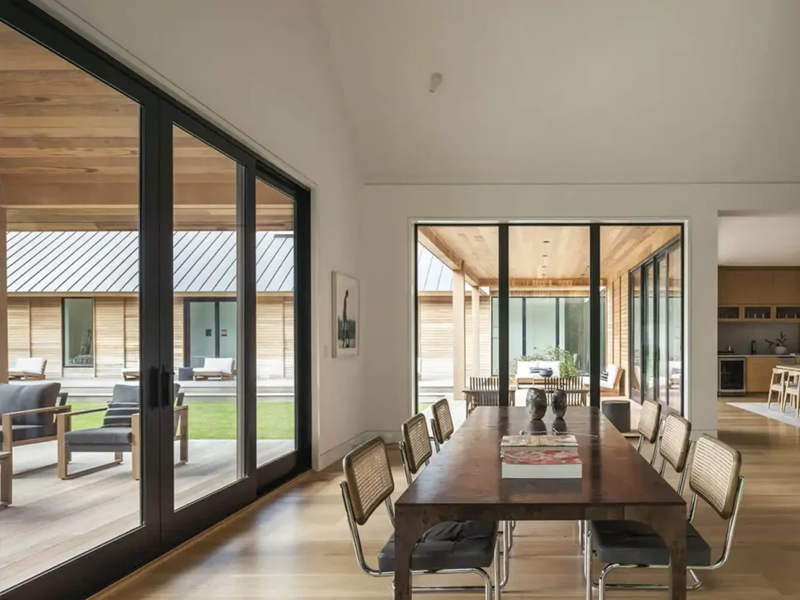
Modern architectural trends emphasize minimalism without compromising performance. Slim aluminum profiles provide panoramic views while preserving insulation quality through advanced frame engineering. Custom finishes allow homeowners to align door aesthetics with interior design themes—from contemporary metallic tones to wood-grain textures—without sacrificing efficiency standards.
WANJIA: Innovation in Energy-Efficient Design Solutions
Exploring the WANJIA Aluminum Clad Wood Sliding Door Series
Product Overview and Key Benefits
Our aluminum clad wood windows and doors combine the texture of natural solid wood with the high strength and weather resistance of aluminum to provide high-end, beautiful and energy-efficient door and window solutions. This dual-material structure ensures stability across all U.S. climate zones by pairing a natural wood interior with a durable aluminum exterior shell that resists warping, corrosion, or UV degradation.
The aluminum-clad wood door series offers customizable styles and durable designs, which reflect our commitment to customization flexibility, allowing clients to tailor colors, hardware accessories, glass types, and dimensions according to architectural needs.
Why Choose WANJIA for Your Home Upgrade?
We are a high-end window and door manufacturing company with more than 20 years of experience, focusing on the research and development, production and sales of aluminum clad wood windows and doors. Our modern factory employs advanced CNC equipment ensuring each product meets international quality standards for insulation, sealing performance, and longevity.
High-quality material selection: high-strength aluminum, imported solid wood, German hardware, low-E glass are used to ensure durability. We also emphasize environmental responsibility through recyclable materials that meet national energy-saving standards—making our products ideal for eco-conscious homeowners seeking sustainable luxury upgrades.
For those exploring how to choose sliding doors that merge craftsmanship with environmental performance, WANJIA aluminum clad wood sliding doors stand out as an exemplary choice offering both visual sophistication and measurable energy benefits.
FAQ
Q: Are aluminum sliding doors energy efficient enough for cold climates?
A: Yes, modern designs featuring thermal breaks, insulated glass units, and weather seals significantly reduce heat loss even in northern regions where temperature fluctuations are severe.
Q: How long do aluminum sliding doors typically last?
A: With proper maintenance routines such as track cleaning and seal inspection, premium-grade aluminum sliding doors can last 30 years or more due to their corrosion resistance and structural integrity.
Q: Can aluminum sliding doors help lower energy bills?
A: Absolutely! Enhanced insulation systems minimize air leaks while advanced glazing controls solar gain throughout the year, contributing directly to reduced heating and cooling expenses across diverse climate zones.