Steel Frames for Pilbara Builds: Cyclones, Heat, and Accessibility
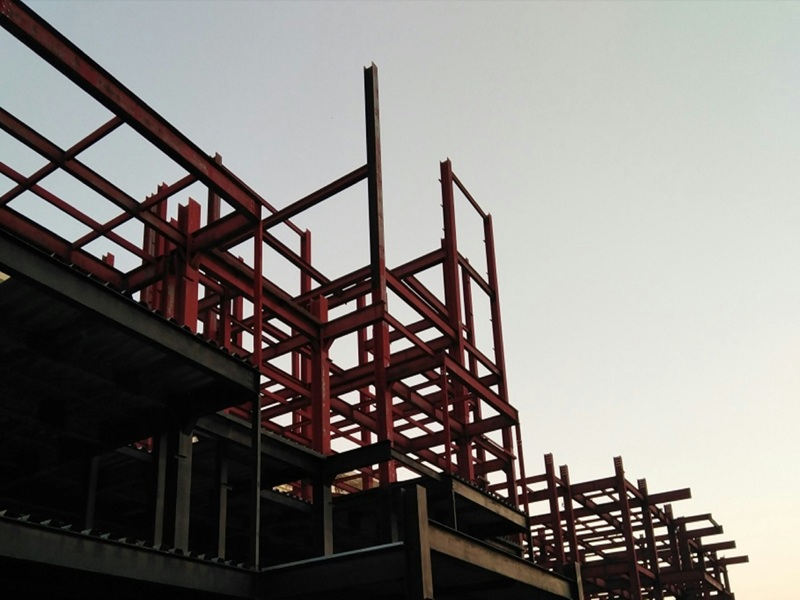
A building in the Pilbara has to survive cyclone-strength winds, punishing humidity, and long delivery distances from the nearest supplier. When the frame is designed for all three, you get a structure that stays solid for decades. If it isn’t, you’re more likely to have a repair bill before the next wet season.
That is why steel frames in the Pilbara are planned differently from a standard suburban frame. Let’s explore what they need to handle, and what to check before you order one.
Cyclone Wind Loads Come First
Much of the Pilbara coast sits in cyclonic wind regions C and D, the highest wind classifications in Australia’s building standards. Towns like Karratha, Port Hedland, and Onslow see destructive winds when a severe cyclone crosses the coast. A frame up north needs engineering for its exact site rating, and a generic design won’t be effective.
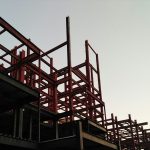
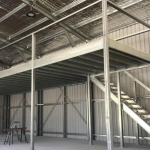
The steel itself is only part of the story. Roof uplift, wall bracing, and the tie-downs into the slab all have to work together, because a cyclone will find the weakest link. Factory-made steel frames are built to tight tolerances, making it easier to match the engineer’s design and meet certification requirements.
How Steel Frames in the Pilbara Handle Heat, Humidity, and Red Dust
The climate up north tests building materials every single day. Here is where steel holds its ground:
- Stays straight: Steel won’t shrink, warp, or twist through big swings in temperature and humidity.
- Keeps termites out: Steel is termite- and borer-proof, so pests have nothing to chew through in the tropical north.
- Doesn’t burn: Steel is non-combustible, which adds peace of mind in bushfire-exposed areas.
- Handles dust and grime: A steel frame won’t absorb moisture or debris the way timber can over time.
Coastal sites face another challenge of salt air, so it’s worth asking about the corrosion protection on your frame. Planning insulation and lining early also helps the building stay comfortable through a 40°C summer.
Distance Changes the Whole Build
Building remotely costs more than materials. Skilled trades are harder to find, and flights, accommodation, and wages add up quickly. Every extra day on site can stretch the budget. This is where prefabrication pays off. Frames that arrive pre-braced with service holes already punched mean less cutting, drilling, and guesswork on site. Teams can stand the walls quickly, and electricians and plumbers can run services without waiting around.
Working with a WA-based manufacturer also makes lead times and delivery easier to plan. Steel Frames WA, for example, designs and manufactures frame packages in Perth and delivers them to Karratha, Port Hedland, Newman, Onslow, and across the Pilbara. Their regional work includes transit facilities for Rio Tinto.
Questions to Ask Before You Order Steel Frames
Before you commit to steel frames in the Pilbara, ask your supplier a few simple questions:
- Is the frame engineered and certified for my site’s wind region?
- What corrosion protection does the steel have?
- What are the lead times and delivery arrangements to my town?
- Do you offer installation, or support for owner builders?
- Can you work from a concept if I don’t have plans yet?
Clear answers to these questions tell you a lot about whether a supplier understands building up north.
Endnote
The best steel frames in the Pilbara are designed for the site’s wind rating, climate, and easy access. Getting these three things right early saves money and stress over the building’s life. A quick chat with a WA-based supplier during planning is a good place to start.