Why Lowering Pole Technology Is Making Industrial Lighting Safer and Easier to Maintain
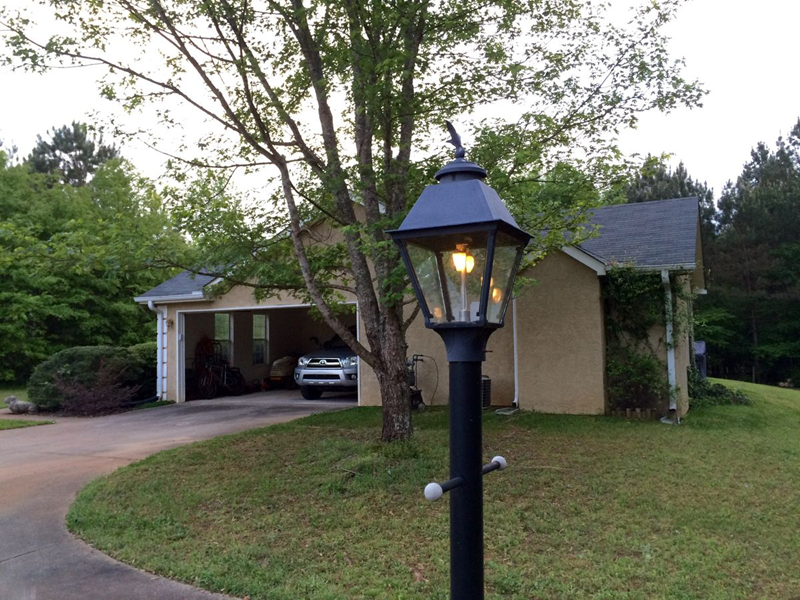
Industrial lighting aims to provide reliable illumination for large spaces like warehouses, machinery sheds, and manufacturing plants. Mounting lights high above the ground illuminates space better, which helps staff work and move about safely.
While high-pole lighting is popular, it also brings challenges of its own. For example, upgrades and maintenance work for this type of pole remains a concern. Workers need to climb high fixtures, and they become at risk of electrocution and falling. This is one of the many reasons why facilities are now switching to lowering pole technology.
In this article, we’ll explore what makes lowering pole tech safe and superior, and to see if this is an upgrade worth considering in your workspace.
Ongoing Challenges of High-Mounted Lighting
Every lighting system requires ongoing maintenance throughout its lifespan, including industrial lighting. For facilities with high-mounted poles, straightforward tasks become more complicated. Accessing light fixtures several metres above the ground requires additional equipment, careful planning, and qualified personnel.
Even a relatively minor repair would involve organising an elevated work platform, scheduling contractors, and maybe temporarily restricting access to certain parts of the worksite, if not all.
Beyond that, the financial impact would extend to the repairs themselves, since even operational downtime could cost your company money, adding up to the costs of hiring equipment and contractors. In addition, every task performed at elevated heights requires additional workplace safety considerations.
With these downsides, businesses are increasingly looking for smarter ways to manage ongoing lighting maintenance. Solutions like Swivelpole allow light fixtures to be safely lowered to ground level for servicing, helping facilities reduce maintenance risks, minimise downtime, and avoid the ongoing costs associated with working at height.
A Smarter Alternative to Traditional Lighting Poles
The challenges posed by traditional lighting poles gave birth to innovations. The use of lowering pole technologies is on the rise.
Lowering poles tech is getting popular since it not only keeps maintenance costs at a minimum, but it also makes maintenance and upgrades less of a hassle. These tasks can be completed without the use of ladders or any elevated work platforms, which reduces both complexity and risk in the workplace.
Lowering poles are also flexible. They can be incorporated into new developments during construction or it can be used to convert many existing rigid lighting poles. This allows businesses to improve lighting infrastructure without needing to replace the entire lighting system.
Four Reasons Businesses Are Making the Switch
Reasons include the following:
Safety
Workplace safety remains the main reason why many organisations prefer to adopt the new lowering pole technology.
Across many industrial workplaces, working at a height is one of the highest-risk maintenance activities.By allowing employees to conduct light fixture maintenance from ground level, it significantly lowers risks of accidents and promotes a safer working environment for maintenance personnel.
Simplicity
For any workplace processes, simplicity is the goal. With lowering poles, routine lighting maintenance no longer requires complex planning. The maintenance crew can simply lower, service, and then return the fixtures to their place with minimal disruption.
Furthermore, since the maintenance tasks will be simplified, the company would no longer have to bring in special equipment or contractors, which can help minimize the interruptions to daily operations.
Savings
With lowering poles, operational costs will be significantly reduced since there will be less reliance on elevated work platforms, external contractors, and lengthy maintenance schedules.
Furthermore, since the servicing is done more efficiently, businesses would experience less downtime. They would be able to get back to work faster than they would with the traditional way of maintaining light fixtures.
Flexibility
Indeed, no two facilities are alike, and that is why adaptability is essential when considering lowering pole technology. This pole technology can be specified for many locations, including new warehouse developments, industrial facilities, and agricultural projects.
Having this kind of flexibility would allow businesses to improve safety and maintenance efficiency, whether they are building from scratch or upgrading an established facility.
Final Thoughts
Industrial lighting is no longer being judged solely by how well it illuminates a workspace. Now, businesses are considering how safely, efficiently, and economically sound those lighting systems are.
Investing in lower-pole technology gives companies a safer and more convenient alternative to traditional lighting. For organisations planning new facilities or upgrading existing ones, choosing smarter maintenance can be just as valuable as choosing better lighting.