Why Is Proper Lighting Design Important in Modern Workspaces?
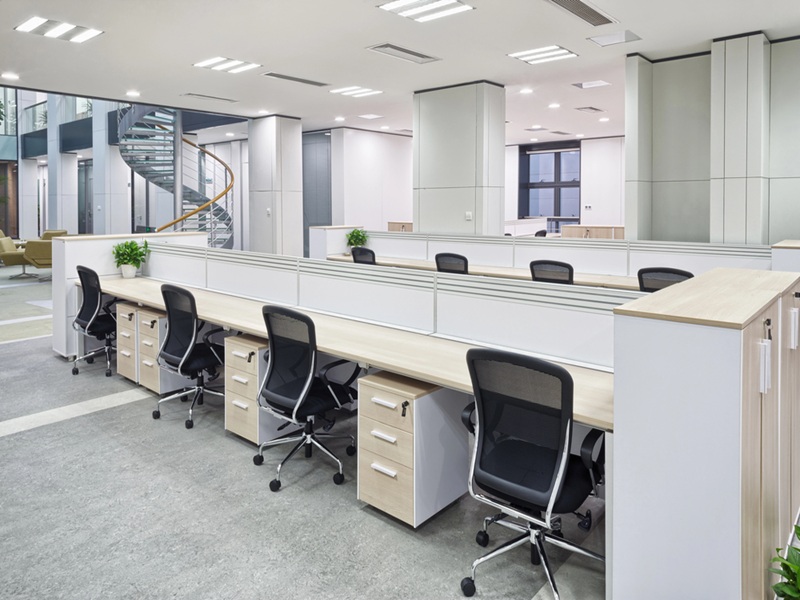
Ask someone about an uncomfortable office, and they’ll often mention the chairs, the noise or the temperature. Lighting may come up later, after a long day staring at a screen. A glaring fitting or a desk in permanent shadow can make ordinary work harder than it needs to be. Good lighting should help people work, not become another distraction.
When planning an office refresh, consider the lighting alongside the room layout and furniture. An electrician can help you choose suitable fittings and controls for the space. For commercial lighting and electrical services, click here. Think about how each area will be used throughout the day. Meeting rooms, workstations and reception areas may need different lighting setups. Natural light should also be considered when deciding where to place desks. Sorting out these details before ordering furniture or fittings can save time and avoid changes later.
A Bright Room Can Still Be Badly Lit
More light doesn’t automatically make a better workspace. A powerful fitting can cause glare, while a dim corner may leave staff straining to read. The contrast between the two can be uncomfortable, too.
Walk through the office at different times of day before settling on a plan. Morning sun may fall across desks, while afternoon light can reflect off monitors or glass partitions. Blinds, desk placement and fitting locations all affect how a room feels. Staff often know exactly where the problem spots are.
Match the Light to the Work
A reception area has different needs from a meeting room or workshop. General lighting helps people move around and gives a room an even base level. Task lighting adds focused light for reading plans, checking labels or working with small components.
Think about screen use as well. A fitting directly above a monitor can cause reflections, prompting workers to adjust their posture or screen angle. A desk lamp may help, but its position matters. The aim is to light the task without shining into someone’s eyes or leaving the surrounding area too dark.
Comfort Has a Practical Payoff
Lighting won’t solve every workplace issue, but poor visibility can make routine tasks harder. Reading a document, checking figures or finding an item on a shelf should be straightforward. If workers keep moving to escape glare or find a brighter spot, the setup needs another look.
Evenness matters in shared spaces. Moving from a bright office into a gloomy corridor can make it harder to see clearly, particularly when carrying files or equipment. Stairs, entries and walkways deserve attention because good visibility helps people move safely.
Cut Power Use Without Annoying Staff
LED fittings can reduce electricity use and often need replacing less frequently than older lighting types. Sensors and timers can help in spaces left empty for periods, such as storerooms, toilets and meeting rooms.
Controls must suit the way people use the building. A sensor that switches off lights during a quiet meeting will frustrate staff, while a badly placed one may miss someone at a desk. Daylight controls should respond as sun levels change. Saving energy matters, but people still need reliable light to work comfortably.
Plan for Maintenance and Change
Lighting is easier to install before desks, partitions and specialist equipment go in. Consider whether fittings can be reached for cleaning or replacement, and whether the layout might change later. Separate lighting zones give staff more control without switching on the whole floor.
Ask the electrical contractor to explain fitting types, placement, controls and maintenance. Discuss installation hours and site access, particularly if the office must stay open. The quote should describe the agreed work and any testing or related electrical tasks. It also helps to consider who will use each area and when. Some rooms may need brighter lighting during busy periods, while others may remain empty for hours. Easy-to-use controls let staff adjust the lights when needed. This can make the space more comfortable without wasting electricity.
Start With the People Using the Space
Before approving a design, watch how the workplace functions. Where do people read, meet or handle detailed tasks? Which desks get direct sun? Are there areas staff avoid because the light feels too dim or harsh? These observations give the designer a useful starting point.
Good lighting supports comfort, visibility and sensible energy use. It doesn’t need to attract attention; it needs to work throughout the day. Listen to staff, consider what each area is used for, and involve a qualified professional before choosing fittings. A few thoughtful decisions early on can make the workspace easier to use.