Maintaining Your Shed: Spotting Hidden Hazards
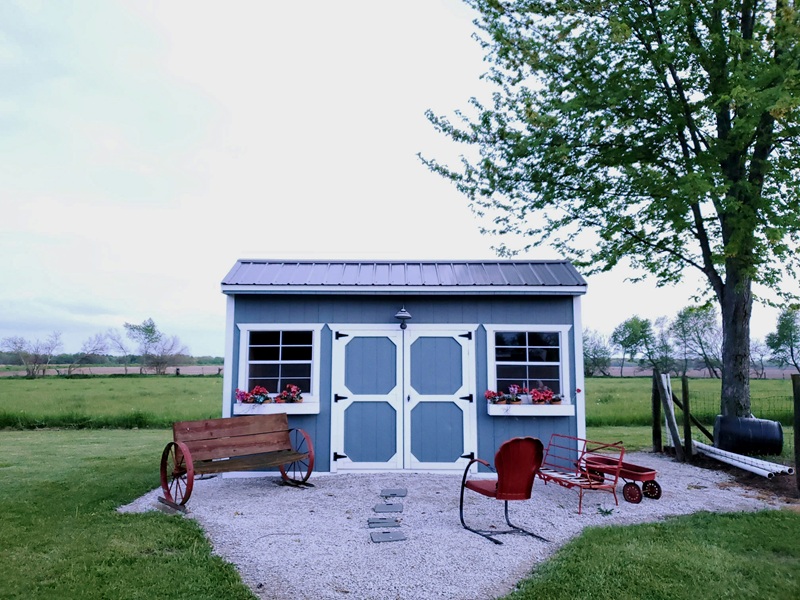
Your backyard shed is more than just a storage space; it’s a workshop, a hobby hub, and a sanctuary. But over time, sheds can develop hidden hazards that put your safety and the structure itself at risk. Regular maintenance goes beyond a simple tidy-up. It means actively looking for potential problems before they get out of hand.
This guide will show you how to inspect your shed, spot common material-related risks, and know when to call for professional help.
Regular Inspections are Key
Taking time to thoroughly inspect your shed a few times a year can save you a lot of trouble down the road. A well-organized space makes this job much easier, since clutter can hide signs of water damage, pests, or structural decay. Following some expert shed safety tips will make your shed more functional and safer to work in.
When you inspect, look for:
- Leaks and Water Damage: Check the roof, windows, and walls for any signs of water getting in. Look for water stains, mold, mildew, or timber that feels soft and rotten.
- Structural Integrity: Examine the frame, foundation, and walls for cracks, warping, or instability. Make sure doors and windows open and close easily; if they don’t, it could mean the structure is shifting.
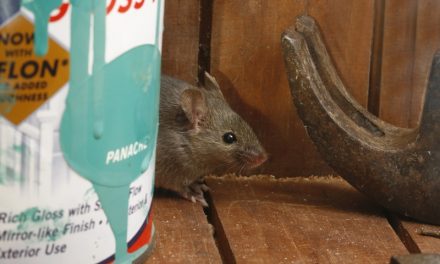
- Pest Infestations: Look for evidence of termites, rodents, or wasps. Check for droppings, nests, gnaw marks, or damaged timber.
Recognising Common Shed Materials
It’s important to know what your shed is made of, especially if it’s an older one. Modern sheds are usually built from steel, treated pine, or durable plastics, which don’t pose many risks. However, many older sheds in Australia were built with materials now known to be hazardous.
Fibro or asbestos-cement (AC) sheeting was a very common building material for sheds, garages, and fences built before 1990. If your shed has compressed, flat, or corrugated sheeting that looks like cement, it might contain asbestos. This material is generally stable when it’s intact, but if it cracks, breaks, or starts to crumble, it can release dangerous fibers into the air. Disturbing it by drilling, cutting, or high-pressure washing is extremely risky. If you think your shed has this material, it’s crucial to get professional advice on how to handle it safely and for potential asbestos removal.
When to Call in the Experts
While many minor shed repairs are perfect for a weekend DIY project, some jobs are best left to the pros. Trying to fix big problems without the right skills or equipment can be dangerous and might even cause more damage.
You should call an expert if you find:
- Significant Structural Damage: If you notice major cracks in the foundation, severely rotten support beams, or a sagging roof, a structural engineer or experienced builder should assess it.
- Widespread Mold or Rot: A small patch of mold can be cleaned, but extensive growth means a serious moisture problem that might need professional help to fix for good.
- Electrical Faults: Never try to fix faulty wiring, broken outlets, or flickering lights yourself. Always hire a licensed electrician for any electrical work.
- Hazardous Material Concerns: As mentioned, any work involving potential asbestos requires certified professionals.
Safe Disposal of Old Materials
When you’re cleaning out or repairing your shed, you’ll probably end up with a pile of materials to get rid of. It’s important to handle this waste correctly. Old, rusted metal sheeting, non-treated timber offcuts, and general rubbish can usually go to your local tip.
However, some items need special disposal. Old paint tins, pesticides, solvents, and other chemicals should never go in your regular bin. Your local council will have designated collection points or events for hazardous household waste. If you’ve replaced rotten timber, remember that treated pine (often green-tinted) shouldn’t be burned, as this can release toxic chemicals. Check with your local waste management facility for the right disposal procedures.
Long-Term Shed Health
Keeping your shed healthy is an ongoing process of prevention. Simple, proactive steps can greatly extend its life and keep it a safe, useful space. Regularly cleaning gutters stops water from overflowing and damaging the walls and foundation. Applying a fresh coat of paint or sealant to timber or metal surfaces protects them from the elements, preventing rust and rot.
Sealing gaps around windows and doors can keep out both moisture and pests. Taking a few moments after each use to sweep the floor and put tools away stops clutter from building up and hiding new problems. Consistent care is the foundation of good backyard shed maintenance and ensures your shed remains a valuable asset for years to come.
Taking a proactive approach to shed maintenance means it stays a safe, functional, and enjoyable part of your property. A little attention now can prevent big headaches later.