What to Look for When Buying Outdoor Furniture in Australia
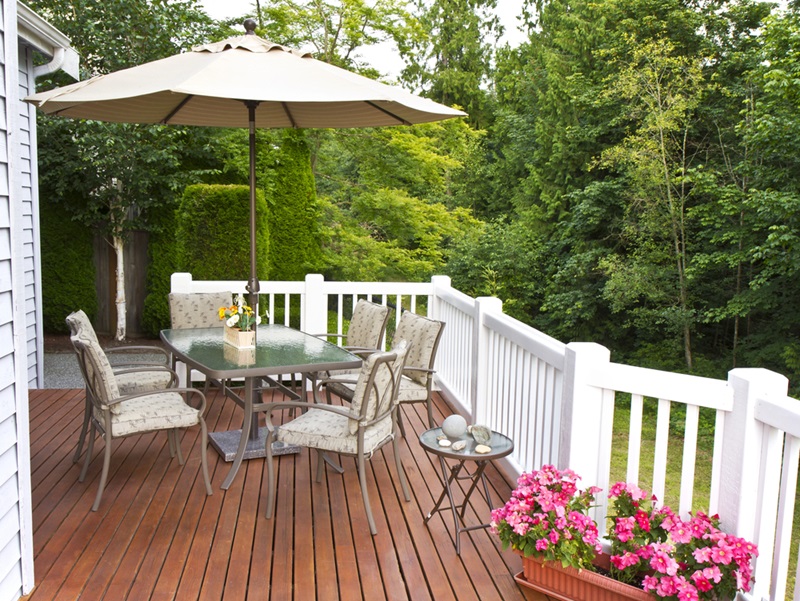
The Australian lifestyle is synonymous with the great outdoors. Whether it is a sun-drenched afternoon on a coastal balcony, a family barbecue on a suburban patio, or a quiet evening by a fire pit in a rural backyard, our external living spaces are true extensions of our homes. However, creating the perfect alfresco sanctuary requires more than just an eye for design. Because of our continent’s unique and often unforgiving climate, choosing the right outdoor furniture in Australia is essential for ensuring long-term comfort, durability, and value. From the intense UV radiation of the northern states to the salty air of the coast and the sudden temperature shifts of the southern regions, your furniture must be as resilient as it is stylish.
When investing in your outdoor oasis, it is important to look beyond the initial aesthetic appeal. High-quality pieces must withstand constant sun exposure, heavy rainfall, and high humidity without losing their structural integrity or visual charm. This guide provides a comprehensive look at the critical factors you should consider before making a purchase. We will explore the best materials for local conditions, the nuances of comfort and functionality, essential maintenance requirements, and how to balance your budget with long-term durability. By understanding these elements, you can transform any backyard into a functional, beautiful retreat that stands the test of time.
1. Choosing Weather-Resistant Materials for Australian Conditions
In the Australian market, material selection is the single most important factor in determining the lifespan of your furniture. Our intense sun and heat can cause inferior materials to fade, crack, or warp within a single season.
Therefore, prioritizing weather-resistant properties is not just a luxury; it is a necessity for any functional outdoor kitchen in Australia or entertainment area. Different materials offer varying levels of protection against the elements, and your choice should reflect your specific local environment.
Common Outdoor Materials and Their Benefits
The most popular materials used in Australian outdoor furniture are chosen for their ability to handle diverse weather patterns. Aluminium is a perennial favorite because it is lightweight, rust-resistant, and requires very little maintenance. It is particularly well-suited for coastal areas where salt spray can quickly corrode other metals.
Teak and other hardwoods are also highly regarded for their natural oils, which provide built-in resistance to moisture and decay. While timber requires more upkeep than metal, its warmth and durability make it a classic choice for premium settings.
For those seeking a more contemporary look, synthetic wicker, often made from high-density polyethylene (HDPE), offers a stylish alternative that is specifically engineered to be UV-resistant. Unlike natural rattan, synthetic wicker will not brittle or peel when exposed to the sun. Additionally, stainless steel remains a top-tier option for modern designs, offering immense strength and a high level of corrosion resistance, provided it is of a high grade, such as 304 or 316.
| Material | Key Benefits | Best Suited For |
| Aluminium | Lightweight, rust-proof, low maintenance | Coastal regions and humid climates |
| Teak/Hardwood | Naturally durable, aesthetic warmth, heavy | Traditional gardens and wind-prone areas |
| Synthetic Wicker | UV-resistant, lightweight, versatile styles | Modern patios and shaded decks |
| Stainless Steel | Extreme strength, sleek look, corrosion-resistant | Contemporary high-end outdoor kitchens |
Actionable Material Insights
When shopping, always look for an “actionable tip”: choose materials that explicitly state they are UV-stabilized or powder-coated. This extra layer of protection prevents the sun from degrading the molecular structure of the furniture, ensuring that colors remain vibrant and frames stay strong.
For example, homeowners in coastal regions should prioritize powder-coated aluminium or marine-grade stainless steel to prevent the “tea-staining” effect caused by salt air. A unique insight to keep in mind is that furniture exposed to direct, unfiltered sunlight can reach high temperatures; choosing lighter colors or materials with low heat retention can significantly improve your comfort during the peak of summer.
2. Comfort and Functionality for Outdoor Living Spaces
While durability is the foundation of a good purchase, comfort is what determines how often you will actually use your outdoor space.
An outdoor area should be a place of relaxation, meaning your furniture must be both ergonomically designed and practical for everyday use.
In recent years, the trend in Australia has shifted toward “organic minimalism,” where furniture features softer curves and more natural shapes that mimic the comfort of indoor lounges.
Key Comfort Features to Prioritize
To ensure maximum relaxation, look for seating that offers deep bases and high-quality cushioned seating. The foam inside these cushions should be quick-drying and encased in “outdoor-rated” fabrics like solution-dyed acrylics, which resist fading and mold. Ergonomic design is another critical factor; chairs should support the natural curve of the spine and provide adequate armrests.
Furthermore, adjustable or modular configurations are becoming increasingly popular. These systems allow you to rearrange your layout based on whether you are hosting a large dinner party or simply lounging with a book.
Functionality in Practice
The functionality of your furniture should match your lifestyle. For instance, a modular lounge set provides the ultimate flexibility, allowing you to expand or contract your seating area as needed.
This is particularly useful for smaller Australian backyards or balconies where space is at a premium. When furniture is easy to move and reconfigure, it becomes a more versatile tool for entertaining, ensuring that your outdoor space can adapt to any occasion, from a casual morning coffee to a festive evening gathering.
3. Durability and Maintenance Requirements
In the harsh Australian environment, even the best furniture requires a level of care to maintain its condition. Durability is not just about how a piece is built, but also about how it is maintained over the years. Factors such as the quality of the joinery, the thickness of the metal frames, and the type of finish applied all play a role in how well a piece will age.
Factors Affecting Long-Term Durability
The frequency of use and the level of exposure to the elements are the primary drivers of wear and tear. Furniture placed under a covered pergola will naturally last longer than pieces left in the middle of an open lawn.
However, regardless of placement, regular maintenance is the key to longevity. For busy homeowners, choosing low-maintenance materials like aluminium or synthetic wicker is an actionable insight that can save hours of labor each year. These materials typically only require a quick wipe-down with soapy water to keep them looking new.
Essential Maintenance Tips
To extend the life of your investment, consider the following maintenance routine:
- Clean regularly: Remove dust, bird droppings, and pollen to prevent permanent staining or buildup.
- Use protective covers: When the furniture is not in use for extended periods, high-quality, breathable covers can provide a vital shield against UV rays and rain.
- Store cushions: Even “weatherproof” cushions should be stored in a dry box during extreme weather or over the winter months to prevent moisture from becoming trapped.
- Check frames and joints: Periodically inspect for loose screws or signs of wear in the structural components to prevent minor issues from becoming major breaks.
It is worth noting that timber furniture, while beautiful, may require periodic sealing or oiling to maintain its rich color and prevent it from silvering or cracking. This small investment of time every six to twelve months can add decades to the life of a teak or eucalyptus set.
4. Style, Design, and Aesthetics
Your outdoor furniture should be a reflection of your personal style and the architectural character of your home. In 2026, the most successful designs are those that create a seamless transition between the interior and exterior of the property. This “indoor-outdoor flow” is a hallmark of modern Australian architecture and can significantly enhance the perceived size and value of your home.
Trends in Outdoor Aesthetics
Current trends favor earthy, lived-in tones such as terracotta, sage green, and weathered sand. These colors help the furniture blend into the natural landscape rather than competing with it.
When choosing a style, consider whether your home is modern or traditional. Modern homes often benefit from minimalist furniture with clean, sharp lines and industrial materials like steel or concrete.
In contrast, traditional homes are often better suited to the classic charm of timber or intricately woven wicker designs.
Style Tips for a Cohesive Look
- Neutral bases: Use neutral tones for your large furniture pieces to ensure versatility as trends change.
- Pop of color: Add personality through cushions, throws, and outdoor rugs in bolder shades or patterns.
- Architectural matching: Choose designs that echo the materials or colors used in your home’s exterior, such as matching a black window frame with black aluminium furniture legs.
A unique insight for achieving a high-end look is to focus on sculptural greenery and lighting. By pairing your furniture with well-placed pots and soft ambient lighting, you can create a cohesive design that feels like a professional resort.
This holistic approach to aesthetics ensures that your outdoor space is not just a collection of chairs, but a curated environment.
5. Budget, Warranty, and Long-Term Value
When it comes to outdoor furniture, the old adage “you get what you pay for” is particularly true. While it can be tempting to opt for the cheapest available option, these pieces often lack the UV stabilization and structural integrity required for the Australian climate. Viewing your purchase as a long-term investment rather than a short-term expense will lead to better satisfaction and lower costs over time.
Evaluating Value vs. Cost
The initial cost of a high-quality set may be higher, but its long-term durability means you won’t be replacing it every two or three years. When evaluating a purchase, always check the warranty coverage. A reputable brand will offer a multi-year warranty on both the frame and the fabric, which is a strong indicator of the product’s expected lifespan.
Additionally, consider the cost of maintenance; a slightly more expensive aluminium set might be cheaper in the long run than a timber set that requires expensive oils and hours of sanding.
Smart Buying Decisions
To make the most of your budget, compare warranties between different brands and look for “commercial-grade” specifications, even for residential use. Investing in higher-quality materials like teak or powder-coated aluminium is a smart move for longevity. An actionable tip is to spend more upfront on the “anchor” pieces, such as the dining table or the main sofa—and save money on smaller accessories that are easier and cheaper to replace. Ultimately, choosing quality over quantity will ensure that your outdoor space remains a source of pride and relaxation for many years to come.
Frequently Asked Questions
What is the best material for outdoor furniture in Australia?
Aluminium, teak, and synthetic wicker are widely considered the best choices. Aluminium is ideal for its rust-resistance, teak for its natural durability, and synthetic wicker for its UV-resistant properties and modern aesthetic.
How do I maintain outdoor furniture?
Regular cleaning with mild soap and water is essential. Additionally, using protective covers when the furniture is not in use and storing cushions during extreme weather will significantly extend the lifespan of your pieces.
Is outdoor furniture worth the investment?
Yes. High-quality outdoor furniture provides long-term comfort and durability, and it can significantly enhance the functionality and visual appeal of your home’s living spaces.
Can outdoor furniture withstand Australian weather?
Yes, provided you choose weather-resistant materials specifically designed for high UV exposure, moisture, and temperature fluctuations. Always look for UV-stabilized and corrosion-resistant ratings.
How do I choose outdoor furniture for small spaces?
For smaller areas like balconies or compact patios, opt for foldable, stackable, or modular furniture. These designs maximize your available space without compromising on comfort or style.
Find the Best Outdoor Furniture in Australia for Your Home
Buying outdoor furniture in Australia is an opportunity to enhance your lifestyle and add value to your home. By focusing on weather-resistant materials, prioritizing ergonomic comfort, and committing to a simple maintenance routine, you can ensure that your investment provides enjoyment for years to come.
Remember that the best outdoor spaces are those that reflect the unique character of their surroundings while offering a durable sanctuary from the elements. Whether you are looking for a sleek modern set or a timeless timber collection, the key is to choose quality and design that truly speaks to the Australian way of life.