Top Trends in Window Shutters in NSW for Modern Homes
Why NSW Homeowners Are Rethinking Window Shutters in 2024
The days of selecting window treatments purely for function are well behind us. Today’s homeowners renovate with intention, choosing every interior element to balance practicality with deliberate design.
Window shutters have moved firmly into that conversation, evolving from traditional timber panels into sophisticated architectural features that respond to how Australians actually live.
Whether the goal is a cleaner aesthetic, stronger energy performance, or a home that responds intelligently to its environment, shutters now deliver on all fronts. Homeowners embracing modern design trends are increasingly choosing Window Shutters in NSW to enhance aesthetics, improve insulation, and create more functional living spaces, and the variety of options available today makes that choice more rewarding than ever.
Minimalist and Contemporary Shutter Designs
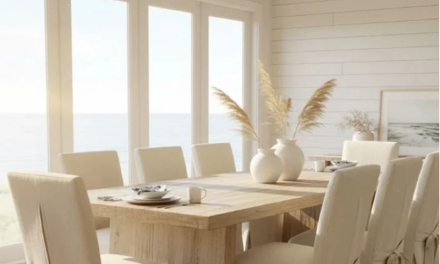
Modern architecture favours restraint. Clean lines, uncluttered surfaces, and materials that integrate quietly into the background define the contemporary Australian interior, and shutter design has adapted to match.
The shift toward minimalist shutters shows up in several specific design choices. Louvre profiles have become slimmer and more refined, reducing the visual bulk that older shutter styles carried. Traditional tilt rods are disappearing from view entirely, replaced by hidden tilt mechanisms that keep the face of the shutter clean and uninterrupted.
Frame profiles now sit flush with window reveals rather than projecting outward, and colour palettes have narrowed to whites, warm greys, soft blacks, and off-whites that integrate seamlessly with surrounding walls.
Minimalist shutter features worth knowing:
- Smooth finishes with minimal surface detailing or ornamentation
- Wide louvres at 89mm to 114mm for better light control and a more open visual effect
- Frameless or recessed installations that sit flush within the window opening
- Hidden tilt rod systems for an unbroken, clean face panel
Open-plan homes benefit from this approach in a specific way. When living, dining, and kitchen areas flow together without dividing walls, visual consistency across all window treatments becomes critical.
Minimalist shutters achieve that consistency without demanding attention. They become part of the architecture rather than a layer added on top of it.
Minimalist shutters also make rooms feel larger and more open, particularly when installed in lighter colours that reflect rather than absorb natural light.
Sustainable and Eco-Friendly Materials
Sustainability has shifted from a niche consideration to a mainstream priority in Australian home design. Homeowners now ask harder questions about where materials come from, how manufacturers produce them, and how long they will last. The shutter industry has responded with genuinely better options across the board.
Responsibly sourced timber remains a premium choice for interior shutters, particularly when certified through recognised environmental standards. The key distinction is provenance. Timber sourced from sustainably managed forests carries a significantly lower environmental footprint than uncertified alternatives and performs identically in terms of aesthetics and durability.
Composite and engineered materials represent one of the most significant developments in eco-conscious shutter manufacturing. Manufacturers combine recycled wood fibres with polymer binders to produce a panel that resists moisture, holds its shape across temperature fluctuations, and requires no old-growth timber in production.
The result performs better than solid timber in challenging environments while carrying a lighter environmental impact.
Sustainability benefits to consider:
- Reduced environmental impact through certified or recycled material sourcing
- Improved indoor air quality with low-VOC finishes that off-gas minimally after installation
- Long service life that reduces replacement frequency and associated waste
Look for shutters made from certified sustainable materials to align with eco-conscious building practices. This matters particularly for homeowners pursuing green building ratings or wanting their renovation decisions to reflect their values.
Low-VOC coatings and water-based finishes have also become standard among quality manufacturers, addressing indoor air quality concerns that families with young children or allergy sensitivities increasingly raise.
Smart and Motorised Window Shutters
Technology has entered the window treatment category in a meaningful way, and motorised shutters in particular are shifting from a luxury specification to a mainstream consideration for new builds and high-end renovations.
The core appeal is convenience. Motorised systems allow homeowners to raise, lower, or adjust louvre angles without physically touching the shutter. Homeowners operate them via wall-mounted controls, remote handsets, smartphone apps, or voice commands through integrated smart home platforms. For large windows, high installations, or homeowners with mobility considerations, this represents a practical upgrade rather than a superficial one.
Modern homes are increasingly incorporating Roller Shutters in NSW with motorised controls, allowing homeowners to manage light, privacy, and security with ease. Manufacturers now offer the same technology across plantation shutter ranges as well.
Smart shutter features available in current systems:
- Scheduled automation to programme shutters to open at sunrise and close at sunset
- Remote smartphone control to adjust settings from anywhere via dedicated apps
- Smart home integration with platforms such as Google Home, Amazon Alexa, or Apple HomeKit
- Climate-responsive automation that adjusts shutter position based on temperature sensors or weather data
That last point carries real energy efficiency implications. A smart shutter system that closes automatically when indoor temperatures rise above a set threshold and opens again once conditions cool reduces the load on air conditioning without requiring manual intervention. Over a full NSW summer, the cumulative effect on energy consumption is measurable.
For homeowners building or renovating with a whole-home automation system in mind, specifying motorised shutters from the outset is considerably easier and more cost-effective than retrofitting them later.
Custom Colours and Finishes for Modern Interiors
Mass customisation has transformed what homeowners can expect from their shutter selections. Where earlier generations of shutters came in a limited palette of whites and creams, current manufacturing technology supports an expansive range of colours, finishes, and surface textures, making shutters a genuine design tool rather than a default choice.
Matte finishes have gained considerable ground in recent years, particularly in interior applications. They absorb light rather than reflecting it, which reduces glare and creates a softer aesthetic that suits contemporary and Scandi-influenced interiors. Gloss finishes retain their place in more formal or traditional settings where a crisp, reflective surface reads as intentional.
Customisation options currently available:
- Matte and satin finishes for a modern, low-sheen appearance
- Full gloss for high-contrast, statement applications
- Timber stains and washes that preserve grain visibility while adding colour depth
- Textured surfaces that replicate natural materials convincingly
Customisation benefits:
- Match shutters precisely to existing interior colour schemes
- Create deliberate contrast with dark shutters against light walls for architectural drama
- Achieve seamless blending where the shutter integrates into the surrounding wall
A practical guideline worth applying: lighter colours make rooms feel more spacious, while darker tones add visual weight and depth. In smaller rooms or spaces with limited natural light, a white or warm off-white shutter maximises openness. In larger rooms with generous light, deeper tones such as charcoal, slate, or black anchor the space with considerable effect.
Modern interiors frequently use white or neutral shutters to complement minimalist design themes, but the growing confidence of Australian homeowners with colour means bolder choices are becoming more common and more successful.
Indoor-Outdoor Shutter Solutions for Versatile Living Spaces
NSW’s climate drives one of the strongest trends in contemporary shutter design: the blurring of the boundary between indoor and outdoor living. Long summers, mild winters along most coastal regions, and a strong cultural preference for outdoor entertaining have made alfresco areas a central feature of modern NSW homes.
Shutters play a key role in making those spaces genuinely usable year-round.
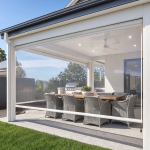
Outdoor shutter systems designed for patios, verandahs, and pergolas now incorporate weather-resistant aluminium louvres, marine-grade hardware, and UV-stable coatings that maintain their appearance through years of direct sun exposure. These systems do more than provide shade.
They transform partially covered outdoor areas into protected rooms that function regardless of wind, rain, or glare.
Bi-fold and sliding shutter configurations suit the indoor-outdoor transition particularly well. They stack neatly to one side when open, creating an unobstructed connection between interior and exterior spaces, and close to form a solid weather barrier when conditions demand it.
Benefits of indoor-outdoor shutter solutions:
- Extend usable living space by making outdoor areas comfortable across all weather conditions
- Provide adjustable shade and privacy in open alfresco settings
- Protect outdoor furniture from UV damage and rain exposure
- Improve security around ground-level openings and entertainment areas
Indoor-outdoor shutter solutions are particularly popular in NSW due to the region’s climate and outdoor lifestyle. Homeowners who invest in these systems consistently gain both liveability and perceived property value.
Frequently Asked Questions
What are the latest trends in window shutters for modern homes? Current trends include minimalist designs with hidden tilt systems, eco-friendly and composite materials, motorised and smart-home-integrated systems, expanded colour and finish options, and indoor-outdoor shutter solutions that extend living spaces beyond the interior.
Are motorised window shutters worth it? Yes. Motorised shutters deliver daily convenience, measurable energy efficiency gains through automated climate response, and seamless integration with existing smart home platforms. The value is particularly strong in large or hard-to-reach window installations.
What materials are best for modern window shutters? Sustainably sourced timber, high-quality PVC, and composite materials are the strongest performers across durability, aesthetics, and environmental impact. Composite materials offer the visual appeal of timber with superior moisture and temperature resistance.
Can window shutters be customised to match interior design? Yes. Current manufacturing supports a full spectrum of colours, matte and gloss finishes, timber stains, and textured surfaces, giving homeowners precise control over how shutters integrate with or contrast against their existing interior palette.
Are outdoor shutters suitable for NSW homes? Yes. Outdoor shutters suit NSW conditions well. They handle the intensity of Australian sun, manage wind and rain exposure, and extend the functional season of alfresco living areas considerably. Aluminium systems with UV-stable coatings are the most durable choice for external applications.
How Modern Window Shutters Add Style, Function, and Long-Term Value to NSW Homes
Window shutters have earned their place as a defining feature of the modern Australian home by consistently delivering what homeowners need: better light management, genuine privacy, improved thermal performance, and aesthetics that hold up over time. The trends shaping the category right now, including minimalism, sustainability, smart technology, customisation, and indoor-outdoor integration, reflect a deeper shift in how Australians think about their homes and what they expect from every element within them.
Homeowners who choose shutters with these priorities in mind invest in daily comfort, stronger energy performance, and long-term property value all at once.