How a Greenhouse Helps You Grow Vegetables Year-Round
Key Highlights
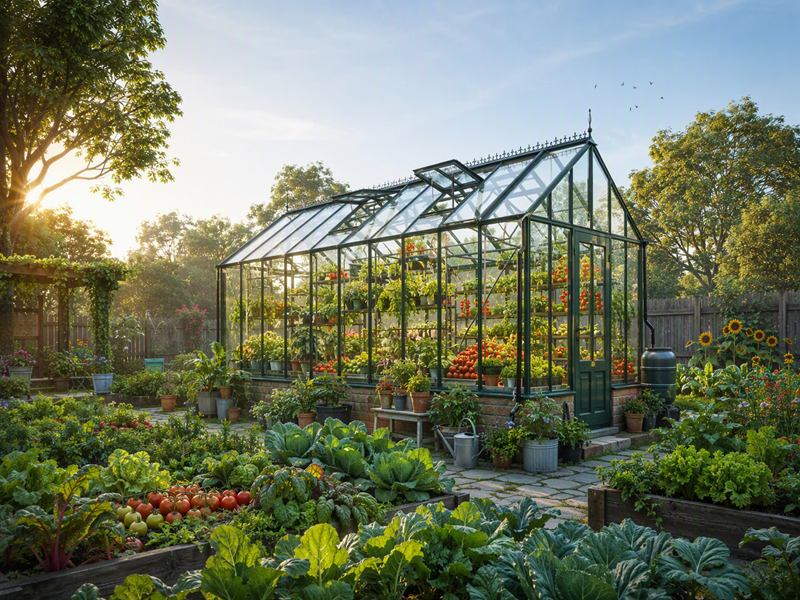
- A greenhouse gives you a controlled environment, so your growing season does not stop when outdoor conditions change.
- It helps protect vegetables from extreme weather, including strong winds, heavy rains and frost.
- The right greenhouse creates a better growing environment for seedlings, cuttings and tender plants.
- You can choose from a range of greenhouses to suit your floor space and budget.
- Good materials, ventilation and placement support healthier plants and steadier harvests.
- With a simple plan, you can grow your own vegetables across autumn and the colder months.
Introduction
Want to keep gardening when the weather turns? A greenhouse makes that possible. It gives you more control over your growing season, helps support healthier plants and makes it easier to keep vegetables moving from seedlings to harvest. For many Australian households, that means fewer gaps in planting and a more reliable way to grow food at home.
Why Choose a Greenhouse for Your Australian Backyard
A greenhouse gives your backyard a controlled environment that outdoor beds cannot match. That matters when outdoor conditions shift fast across Australia. Instead of stopping at the first cold snap or heat change, you can keep planting, protect young plants and extend the useful growing season for your own vegetables.
Types of Greenhouses to Suit Your Space
The best greenhouse is the one that suits your dedicated space, not the one with the biggest footprint. Start with floor space, how many vegetables you want to grow and whether you need room to move inside.
Some home gardeners need a compact setup near outdoor beds. Others want a larger structure for greenhouse gardening across more of the year. The comparison below makes that choice easier.
Walk-In Greenhouses vs Portable Greenhouses: Main Differences
Walk-in greenhouses give you more room for shelves, seedlings and repeated planting. If you want to raise cucumbers, spinach and kale together, that extra space helps you organise crops and support stronger root systems through steadier care.
Portable greenhouses suit smaller spaces and simpler needs. They can work well if you are trialling greenhouse gardening before committing to a larger unit price and permanent footprint.
| Feature | Walk-in greenhouses | Portable greenhouses |
| Space inside | Room to stand and work | Limited working room |
| Best for | Ongoing vegetable growing | Small batches and starter plants |
| Floor space needed | More | Less |
| Flexibility | More stable long term | Easier to move |
Custom Greenhouse Kits and Ready-to-Build Options
Buying online can save time, but you still need to check the practical details. A ready-to-build kit works best when the structure is designed for local conditions and comes with what you need to plan installation properly.
Yardtopia kits include engineering drawings with wind load, footing analysis and other calculations, which helps if local council permits are needed. That is more useful than picking a kit from a garden centre with limited build detail.
Before checkout, look for:
- clear instructions and included drawings
- compliance with Australian standards
- wind and weather ratings
- realistic size for your space
- warranty and stock availability
Essential Features in a Quality Greenhouse
A quality greenhouse should help create a stable environment, not just cover your plants. That means the core features matter more than looks. Frame strength, glazing and airflow all affect daily use and plant growth.
In Australian conditions, accessories also matter when weather changes fast. If your area gets strong winds, choose a structure built for that pressure first, then add the extras that improve control.
Choosing the Best Frame and Glazing Materials
If you want a direct answer: choose a strong frame and durable glazing materials suited to local weather. For many homeowners, polycarbonate is a practical option because it supports a protected growing space without making the setup overly complex.
That matters even more in an unheated greenhouse, where the structure itself does more of the work in buffering outdoor changes. A weak frame or poor glazing can make temperature swings harder to manage.
Check these points before buying:
- frame strength and weather certification
- polycarbonate or similar durable glazing materials
- warranty terms
- suitability for Australian backyards
Ventilation, Temperature Control, and Other Must-Have Additions
Good ventilation is one of the easiest ways to protect vegetable crops year-round. It helps reduce trapped moisture, lowers excess humidity and softens sudden temperature swings that can stress seedlings and tender plants.
Without airflow, a greenhouse can feel productive but still create problems. Whiteflies, damp leaves and uneven growth often build in enclosed space conditions when stable temperatures are not balanced with fresh air.
Useful additions include:
- roof or side ventilation
- easy-open access points
- shelving for spacing plants
- moisture-aware watering habits
- simple tools for checking temperature
What to Consider Before Buying a Greenhouse for Your Garden
Before you buy, match the greenhouse to your local climate, not just the product photo. Wind exposure, rain and frost all affect what size and strength level you need in your garden.
Budget matters too, but so do maintenance expectations. A lower upfront cost can be less useful if the structure does not suit your site or needs extra work later. Placement and upkeep deserve equal attention.
Space, Sunlight, and Placement in Australian Gardens
Placement shapes how well your greenhouse works. If it is hard to reach, too shaded or squeezed into the wrong corner, daily gardening becomes harder. Good access matters when you are moving seedlings, checking moisture or harvesting often.
Sunlight and floor space should guide the decision first. Think about how the greenhouse fits beside outdoor beds, paths and other backyard use, not just where it can physically sit.
Focus on:
- steady sunlight through the day
- enough floor space around the structure
- easy placement near water and outdoor beds
Budget and Maintenance Expectations for Homeowners
A smart budget looks beyond the unit price. Ask what is included, what support comes with the structure and whether the product gives you the information needed for installation and council steps.
Maintenance expectations should also be clear before checkout. If you know how much cleaning, checking and seasonal care is required, you can choose a greenhouse that fits your routine instead of adding another unfinished job.
Review these details:
- unit price versus included documents
- warranty length and terms
- expected maintenance through the year
- what is confirmed before checkout
Growing Vegetables Year-Round: Step-by-Step Guide
Year-round growing works best when you follow a simple routine, not guesswork. A greenhouse extends the growing season, but steady plant growth still depends on crop choice, airflow and regular checks.
For your own vegetables, think in seasons and adjust little by little. That approach improves your gardening experience and helps create healthier plants instead of rushed, uneven harvests.
Selecting Crops for Every Season in a Greenhouse
Start with crops that match the season, then use the greenhouse to keep the cycle going. In autumn and the colder months, many gardeners shift from tender summer growth to leafy vegetables and protected seedlings.
A practical mix gives you a better spread of harvests. You can also hold tender perennials, cuttings or even exotic plants in a safer space while outdoor conditions stay rough.
Simple seasonal choices include:
- cucumbers for warmer periods
- spinach for cooler stretches
- kale through colder months
- seedlings for the next planting round
- tender perennials kept protected
Climate Control Tips for Consistent Vegetable Harvests
A greenhouse protects crops from extreme weather by creating a buffer between your plants and the outside. That includes strong winds, heavy rains and frost. The goal is not perfect conditions every day. It is stable temperatures that avoid sharp stress.
In the colder months, small checks done often work better than big fixes done late. Watch how moisture builds, how air moves and how each crop responds inside the structure.
Use this simple climate control routine:
- open ventilation when humidity rises
- check moisture before watering again
- protect seedlings during frost periods
- secure the structure against strong winds
- group crops by similar needs
- adjust planting times with the season
Conclusion
In conclusion, a greenhouse can transform your gardening experience, enabling you to grow vegetables year-round regardless of the Australian climate. By understanding the essential features needed for optimal growth, such as proper ventilation and climate control, you’re well on your way to achieving a bountiful harvest. Additionally, by selecting the right type of greenhouse for your space and considering factors like sunlight and budget, you can create an environment that nurtures your crops throughout all seasons. Embrace this wonderful gardening tool and unlock the full potential of your backyard vegetable garden.
Frequently Asked Questions
Can you really grow vegetables year-round in a greenhouse in Australia?
Yes, you can grow vegetables year-round in a greenhouse in Australia if you use the controlled environment well. It extends the growing season, protects crops from rough weather and makes it easier to keep producing your own vegetables with a steadier gardening experience.
What are the main challenges of greenhouse gardening and how do you overcome them?
The main challenges are pests, trapped humidity and poor airflow. In greenhouse gardening, whiteflies can build up fast in a closed space, so good ventilation and regular checks matter. Those habits help keep a stable environment and make daily gardening much easier.