What to Do When You’re Locked Out of Your Shed
It’s a uniquely frustrating moment: you head out to the backyard to grab a tool, start the mower, or retrieve the camping gear, only to find the shed door stuck fast. Maybe the key has vanished, the lock has seized up, or the door itself just won’t budge. Being locked out of your own shed can stop any weekend project dead in its tracks. Before you reach for a crowbar, take a moment to assess the situation. Often, there’s a simple solution that won’t involve damaging your property.
Common Causes of Shed Lockouts
Shed locks have a tough life. They’re out in the elements year-round, facing everything from scorching sun to driving rain. This constant exposure is usually why they fail.
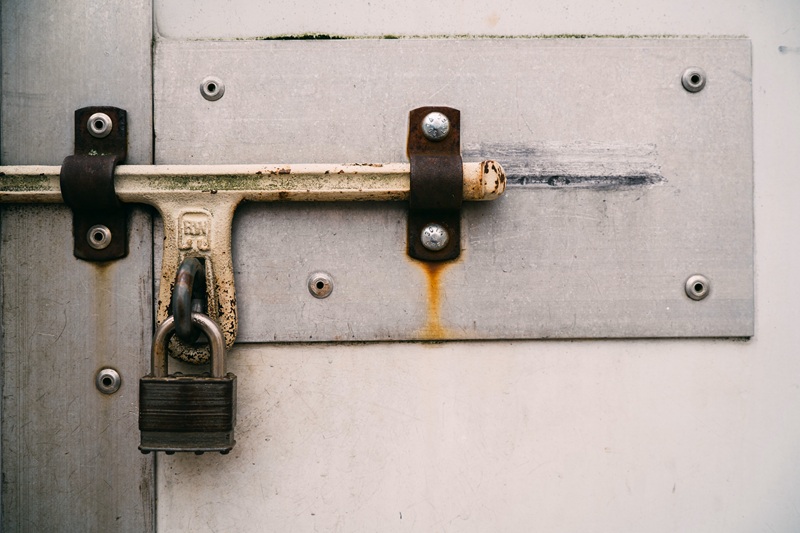
Rust and corrosion are the biggest problems. Moisture can get inside the lock mechanism, making the internal pins and springs seize up. Over time, this makes it hard or impossible to turn the key. A key might also snap off in the lock if it’s already weakened by rust and you use too much force. Another common issue is a misaligned door. Timber sheds can swell and shrink with humidity, and foundations can shift slightly over the years. This can cause the latch to no longer line up correctly with the strike plate on the door frame. And, of course, sometimes you just lose the key.
When to Call a Professional Locksmith
Before you’re tempted to take matters into your own hands with brute force, it’s smart to know your limits. Trying to pry a door open or drill out a lock without the right experience can cause serious damage to the door, the frame, and the lock itself. This often leads to a much more expensive repair. If the key has snapped off deep inside the lock, or if the lock is visibly rusted and completely seized, your best efforts probably won’t work.
In these situations, calling a professional locksmith is your safest and most efficient option. They can use specialised tools to extract broken keys, assess damaged or seized locks, and repair or replace faulty hardware without unnecessarily damaging the shed door or frame. This can get you back inside while also addressing the underlying security issue.
Initial Steps for Gaining Entry
If the situation seems less serious, there are a few things you can try first. Start by checking for any other ways in. Start by checking whether there is another legitimate entry point, such as a second door that may be unlocked. Just remember to think about safety and how secure your shed will be afterwards.
If the lock is just stiff rather than completely seized, a lubricant can help. A graphite-based lock lubricant is best because it won’t attract dust and grime like oil-based sprays can. Apply a small amount into the keyhole and gently work the key back and forth. Sometimes, a bit of gentle persuasion is all that’s needed. Try wiggling the key while applying light turning pressure. For a misaligned door, try lifting or pushing the door firmly as you turn the key to help the latch clear the strike plate.
Preventing Future Shed Lockouts
Once you’re back inside your shed, you can take a few simple steps to make sure you don’t get locked out again. Preventing the problem is always better than fixing it, especially with locks.
- Make a Spare Key: Have a spare key cut and keep it in a secure spot, like with a trusted neighbour or inside your house in a designated place. Avoid obvious hiding places like under a pot plant or the doormat.
- Regular Maintenance: Every six months, give your shed lock some attention. Clean any grime off the outside and apply a quality lock lubricant to keep the internal mechanism moving freely. This is one of the most effective lock maintenance tips for extending the life of your hardware.
- Upgrade Your Lock: If you have a cheap, basic padlock, think about upgrading to a weather-resistant model designed for outdoor use. These often have protective covers and are made from corrosion-resistant materials like stainless steel or brass. For even more convenience, a good combination lock means you don’t need a key at all.
A little bit of regular care for your shed’s lock can save you the headache and hassle of an unexpected lockout. Taking a few minutes for maintenance now will ensure you can always access your tools and gear when you need them.