Free Mezzanine Floor Planning Checklist: What to Know Before You Build
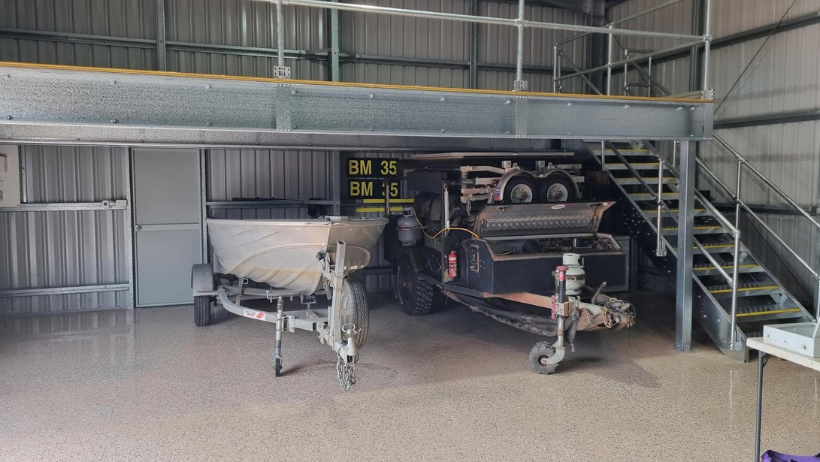
Adding a mezzanine floor to your shed is one of the smartest ways to maximise space without expanding your footprint. Whether you’re running a workshop, storing stock, or fitting out a commercial shed, a mezzanine can double your usable area and improve how your space functions day to day.
But before you jump in, it pays to plan it properly.
A well-designed mezzanine isn’t just about throwing in a platform—it needs to suit your shed, your load requirements, and how you actually use the space. That’s where a simple planning checklist can save you time, money, and headaches down the track.
Why Add a Mezzanine Floor to Your Shed?
Mezzanine floors are becoming increasingly popular across Australia for both residential and commercial sheds. They allow you to:
- Maximise vertical space in your shed
- Separate storage from working areas
- Improve organisation and workflow
- Increase property value and usability
- Avoid the cost of extending your building
From small backyard sheds to large industrial warehouses, mezzanines offer a flexible and practical upgrade.
Mezzanine Floor Planning Checklist
Before installing a mezzanine floor in your steel shed, work through this checklist to make sure everything is covered.
1. What Will the Mezzanine Be Used For?
Start with the basics—how will you use the space?
- Light storage (boxes, tools, parts)
- Office or workspace
- Heavy storage (machinery, pallets)
- Retail or commercial use
Your intended use will determine the load rating, flooring type, and structural requirements.
2. Load Capacity Requirements
Not all mezzanines are built the same. One of the biggest mistakes is underestimating load requirements.
- Light-duty mezzanines: suitable for general storage
- Medium-duty: workshops, equipment
- Heavy-duty: pallets, machinery, commercial use
Getting this right ensures safety and long-term performance.
3. Shed Structure & Height
Your shed needs enough height to accommodate a mezzanine floor comfortably.
Consider:
- Clearance below the mezzanine
- Head height above the mezzanine
- Roof pitch and structure
- Existing beams and columns
A poorly planned mezzanine can make the space feel cramped or unusable.
4. Access: Stairs, Ladders or Lift Points
Think about how you’ll access the mezzanine.
- Staircases for frequent use
- Ladders for occasional access
- Lift points or openings for moving items
For commercial or regular use, stairs are usually the safest and most practical option.
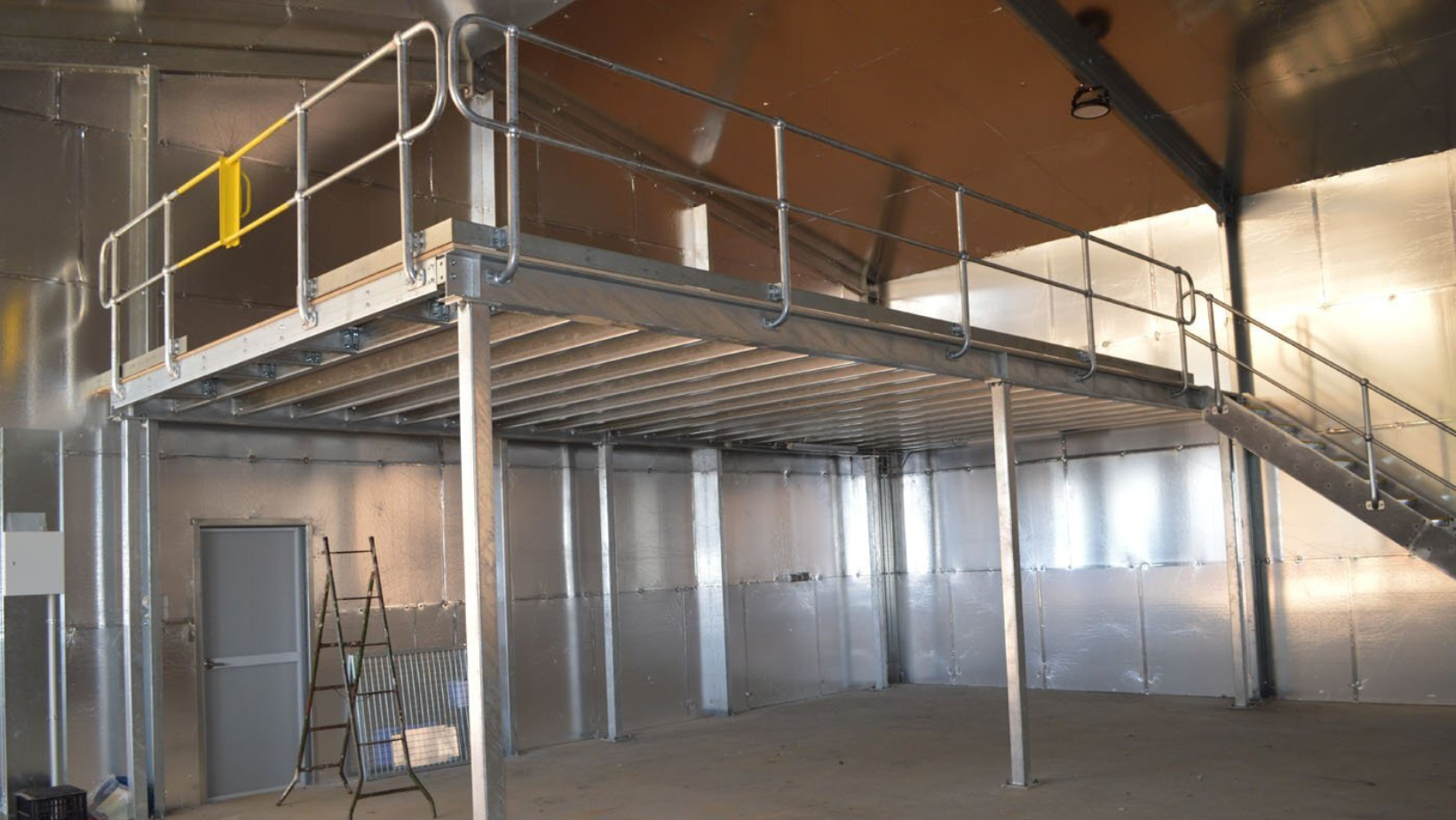
5. Flooring Options
The type of flooring you choose affects durability, cost, and usability.
Common options include:
- Particle board (cost-effective)
- Plywood (stronger, more durable)
- Steel or mesh flooring (industrial use)
Choose based on your load requirements and usage.
6. Safety & Compliance
Safety should always come first.
- Handrails and balustrades
- Compliance with Australian building standards
- Safe load ratings clearly defined
- Fire safety considerations
For commercial sheds, compliance is especially important.
7. Lighting & Ventilation
Adding a mezzanine can change airflow and light distribution inside your shed.
Consider:
- Installing additional lighting under and above the mezzanine
- Improving ventilation with vents or windows
- Ensuring airflow isn’t restricted
This is especially important if your shed is used as a workspace.
8. Budget & Cost Considerations
Mezzanine floor pricing can vary depending on:
- Size and height
- Load requirements
- Materials used
- Installation complexity
Take a look at our price guide to explore examples of previously supplied designs, layouts, and pricing, helping you get a clearer idea of potential costs.
Common Mistakes to Avoid
Even experienced shed owners can run into issues without proper planning. Watch out for:
- Not allowing enough headroom
- Underestimating load capacity
- Poor access design
- Ignoring ventilation and lighting
- Skipping compliance requirements
A bit of upfront planning goes a long way.
How Mezzanine Floors Work with Steel Sheds
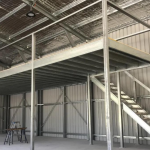
Steel sheds are well-suited for mezzanine installations thanks to their strength and versatility. However, to protect the integrity of the existing structure, it’s recommended that mezzanine floors are designed as freestanding systems. This means they support their own weight independently, rather than relying on the shed’s frame.
A freestanding mezzanine helps avoid placing additional, unengineered loads on the shed, reducing the risk of structural stress or compliance issues. It’s also important to ensure the design works seamlessly within the existing space and that installation is carried out correctly.
When planned properly, a mezzanine floor becomes a seamless extension of your shed.
Ready to Plan Your Mezzanine Floor?
If you’re looking to add a mezzanine to your shed, workshop, or commercial space, the next step is to get the right advice and pricing for your setup.
Request a quote today and get a tailored solution based on your shed size, usage, and load requirements.
Or explore our mezzanine floor price guide to understand typical costs and options before getting started.
A well-planned mezzanine can completely transform your shed—make sure you get it right from the beginning.
Final Thoughts
A mezzanine floor is one of the most practical upgrades you can make to a steel shed—but only if it’s planned properly.
By working through this checklist, you can avoid costly mistakes and create a space that’s safe, functional, and built to last.
Whether you’re upgrading a backyard shed or fitting out a commercial space, taking the time to plan your mezzanine floor will ensure you get the most out of your investment.
If you’d like help planning your mezzanine floor or understanding what works best for your shed, reach out with your shed details and intended use—we’re always happy to point you in the right direction.