How to Dog-Proof Your Backyard Shed and Garden
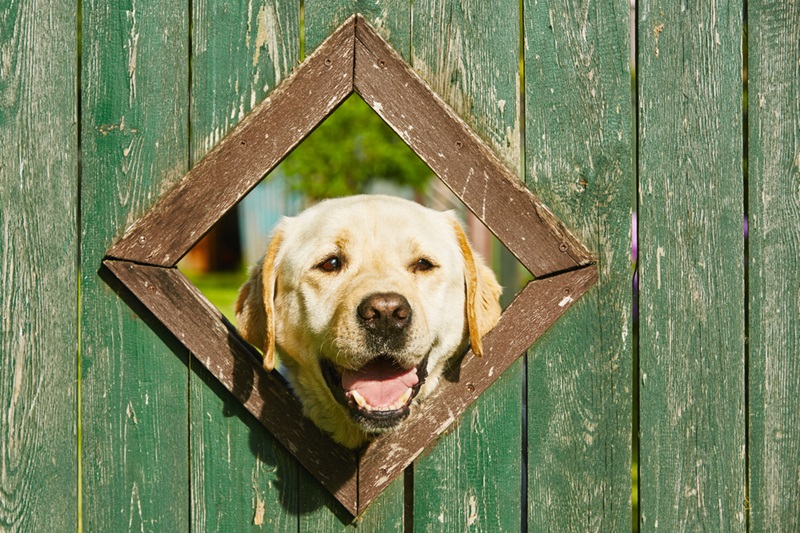
Whether you just got a hyperactive German Shepherd puppy or whether your dog has been a joy to your home for several years, dogs and backyards require some planning. From exploring the shed to digging up your yard, dogs can get into all kinds of trouble if your yard and garden are not planned for their presence.
The good news is that dog proofing your shed or garden does not require a huge project. However, there are a ferw steps to take to ensure your dog and yard are protected – many of which are the same steps you would take to properly maintain your shed and backyard area overall.
Start with the Shed: It’s More Dangerous Than You Think
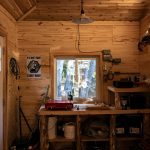
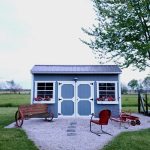
Your backyard shed may seem harmless to humans, but dogs tend to view it as a treasure trove of potentially harmful items. Chemical runoff from stored fertilisers and herbicides, tools with sharp edges positioned on low shelves, and bait used to attract rats at the base of the shed all pose a threat to any curious dog that wanders into the shed.
Seal the Base
Another of the most effective ways to keep dogs out of your steel shed is to seal the gaps between the shed and the ground. Many sheds have gaps between the sheeting and the ground or between the shed and the concrete slab. These gaps provide an easy way for dogs to get into the shed.
Vermin seals are often used to keep rodents out of sheds. However, due to their properties, they will keep dogs out of the sheds as well. Additionally, they will prevent snakes from entering the shed, which is another benefit if you have a dog that likes to explore dark corners in sheds.
Secure Chemical Storage
Fertilisers, pesticides, herbicides, pool chemicals, fuels and motor oil are all toxic chemicals to dogs. Store in a lockable cabinet mounted off the floor and ideally above your dog’s height. If your shed doesn’t have one such cabinet, a metal locker will do the job just fine.
Never leave bags of lawn treatments on the floor as dogs will be drawn to the smell of these chemicals – especially if it’s a bag of fertiliser that has just been opened.
Keep Sharp Tools Off Low Surfaces
Rakes, spades, loppers, and saw blades left leaning against shed walls or sitting on the floor are a risk. Wall-mounted tool racks not only make your shed more organised but move hazards well out of reach of dogs wandering in. Hooks and magnetic strips for smaller tools are inexpensive and effective.
Fit a Self-Closing Door or Latch
If your shed door tends to drift open — or if children frequently leave it ajar — fit a spring-loaded hinge or a self-closing mechanism. A dog that learns to push a door open is a dog that will do it again. Shed PA doors with a positive latch are worth considering if you find this is a recurring problem.
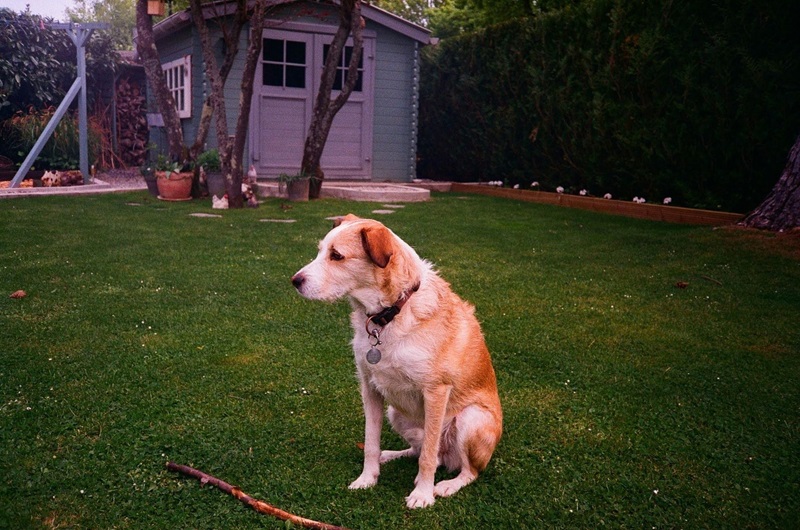
Fencing the Garden: Keeping Dogs Where You Want Them
The garden presents a different set of challenges. Most dogs will test fencing, dig under it, or find gaps you didn’t know existed. Getting ahead of this is much easier than repairing the damage — or worse, finding your dog has escaped.
Check Your Fence Line Thoroughly
Walk the perimeter of your yard to inspect for potential gaps in the fence at ground level. Pay particular attention to areas where the ground has eroded away from the fence base – indicators of where a dog may be able to push through the fence.
Fences made of corrugated iron (or Colorbond) are often worth inspecting at the base of the fence. Over time, these fences can lift slightly away from the ground, especially in areas where the ground has eroded or where tree roots have shifted the ground.
Consider Dig Guards
If your dog is a digger (many breeds have this trait), then installing a dig guard along the fence line will be one of the best investments you can make to keep your dog from digging under the fence. Dig guards are lengths of L-shaped metal mesh or concrete that are buried along the fence line such that dogs cannot dig underneath them.
Alternatively, placing paving stones or sleepers on the inside of the fence line will also discourage your dog from digging under the fence. Dogs will not dig through a hard surface to get to the softer ground beyond the fence line.
Create Clear Zones
Rather than trying to keep your dog out of every part of the garden, consider zoning off areas of the garden that are either safe for the dog to enter versus those that should be off limits to your dog. A fence around the vegetable garden or the pool area, for instance, will limit where your dog can go without having to create different fences for the remainder of the yard.
Protecting Your Garden Beds and Plants
Dogs can wreak havoc on garden beds — digging up bulbs, trampling seedlings, eating plants (some of which can be toxic), and using soft garden soil as a convenient bathroom. Here’s how to stay ahead of it.
Know Which Plants Are Toxic to Dogs
A surprisingly large number of common garden plants are toxic to dogs. These include:
- Sago Palm — highly toxic, can cause liver failure
- Oleander — toxic to the heart
- Azaleas and Rhododendrons — can cause vomiting, drooling, and in severe cases, collapse
- Daffodil bulbs — toxic if ingested
- Lantana — common in Australian gardens, toxic to dogs
- Brunfelsia (Yesterday, Today and Tomorrow) — toxic and particularly attractive to dogs due to its scent
Before you plant anything new, ensure it is safe for dogs. The RSPCA Australia and Dogs Trust have published comprehensive lists of plants that are toxic to dogs. If you already own some of these plants, consider either fencing them individually or replacing them with dog-safe plants in the areas where your dog roams freely.
Raise Your Garden Beds
Raised garden beds will prevent dogs from trampling on or digging in to your planting areas. Simply raising the bed to a height of between 30 and 40cm above the ground level with a solid border will deter most dogs from jumping into the bed. The height will also make it difficult for dogs to dig at the side of the raised bed.
Use Gravel or Pebble Paths as Deterrents
Dogs will avoid walking on surfaces that are uncomfortable underfoot. Placing gravel or river pebbles along the perimeter of your garden beds or fences will encourage your dog to avoid those areas while also improving drainage within the beds.
The Shed Workshop: A Few Extra Precautions
If your shed doubles as a workshop, there are additional considerations beyond the basics.
Sawdust and shavings — not usually toxic, but dogs that eat them can experience gut issues. Keep your workshop floor swept and the door closed during and after use.
Power tool cords — puppies especially may chew through cables if left unattended. Cord management clips and cable wraps are cheap and prevent potential electrocution.
Rat and mouse baits — these deserve a special mention. Many Australians lay baits within sheds to manage the rodent population. However, second generation anticoagulant baits – the most common bait available within hardware stores – are potentially dangerous for dogs. If you choose to use baits, use bait stations that are out of reach of dogs or use alternative methods to manage rodents within sheds.
Setting Up a Dog-Friendly Outdoor Space
Dog-proofing isn’t just about keeping your dog away from hazards — it’s also about giving them a space that works well for them. A dog that has adequate shelter, shade, water, and things to do is far less likely to become destructive or find trouble.
- Shade and shelter: A dedicated kennel or covered area means your dog is comfortable even in harsh Australian summers and doesn’t need to seek shade in the shed.
- Fresh water: Always available, always clean. A heavy ceramic or stainless bowl is harder to tip than a plastic one.
- Enrichment: Dogs — particularly active, intelligent breeds — need mental stimulation. Boredom is one of the primary causes of destructive backyard behaviour. Regular toys, training time, and exercise make a huge difference.
- Secure outdoor exercise area: If you have a particularly large piece of property, or if you want to give your dog more freedom from your shed, consider one that is specifically built for dogs and attached to the side of the shed.
Final Thoughts
By dog-proofing your backyard, you’ll not only provide your dog with a safer environment, but you’ll also reduce the stress that you have to experience while looking after your pet. Most of these improvements will benefit your property regardless of whether or not you have a dog living in your house.