Five Essential Fluids for Alfa Romeo and Fiat Longevity
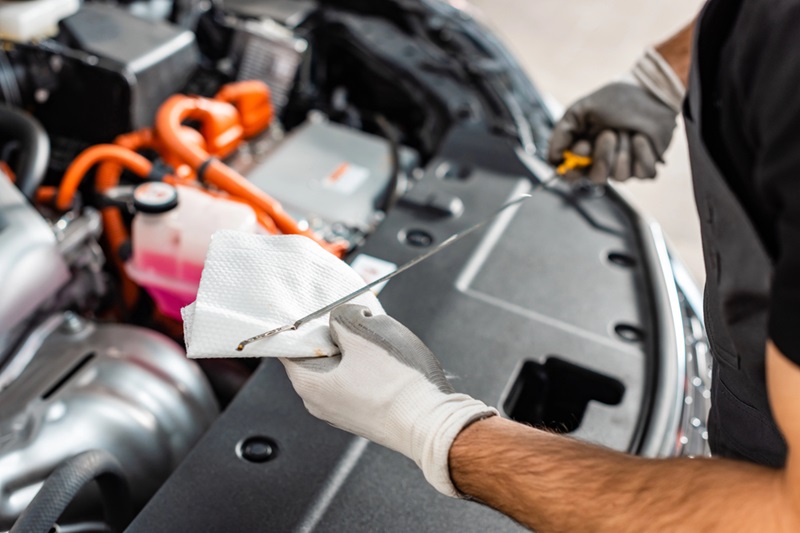
Alfa Romeo and Fiat models reward owners who pay attention to the basics, and fluid condition is one of the biggest factors in long-term reliability. These cars often have tightly engineered engines, transmissions and hydraulic systems that do not respond well to neglect, cheap substitutes or extended service intervals. Staying on top of the right five fluids helps reduce wear, preserve performance and avoid the sort of gradual deterioration that can turn a well-sorted car into an expensive project.
Engine Oil Protects the Heart of the Car
Engine oil is the most important fluid in any Alfa Romeo or Fiat because it lubricates moving parts, helps control heat and carries away contaminants. Modern Italian engines, especially turbocharged petrol units or MultiAir systems, can be particularly sensitive to oil grade and cleanliness. Using the wrong viscosity or delaying changes too long can affect valve operation, timing components and overall smoothness.
This is why owners who want consistent servicing standards often rely on experienced workshops such as Automoda Alfa Romeo and Fiat service specialists when it comes to choosing the correct specification rather than just any oil that fits broadly. Clean oil is not just about preventing failure; it also helps preserve throttle response, fuel efficiency and quieter engine operation over time.
Coolant Keeps Heat Under Control
Coolant does far more than stop an engine from overheating. It regulates operating temperature, protects against corrosion inside the cooling system and helps preserve components such as the radiator, water pump and heater core. In Alfa Romeo and Fiat vehicles, where cooling system health is critical to engine longevity, incorrect coolant chemistry can create deposits or accelerate internal wear.
Old coolant loses its protective qualities, even if the level still looks acceptable in the reservoir. That is why proper coolant changes matter. Topping up with random fluid from a service station may solve a short-term level issue, but it can create long-term compatibility problems if the formulation does not match what the system was designed for.
Brake Fluid Supports Safe, Consistent Braking
Brake fluid is often overlooked because it sits out of sight, but it is essential to both safety and mechanical preservation. It transfers force through the braking system and must remain stable under high heat. Over time, brake fluid absorbs moisture because it is hygroscopic, which lowers its boiling point and can lead to reduced braking performance or internal corrosion in lines and callipers.
For Alfa Romeo and Fiat owners who enjoy enthusiastic driving, this matters even more. Repeated braking generates heat quickly, and contaminated fluid is more likely to perform poorly when pushed. Routine replacement helps maintain pedal feel, protects the hydraulic system and keeps braking response predictable.
Transmission Fluid Preserves Shift Quality
Whether the car uses a manual gearbox, a traditional automatic or a dual-clutch transmission, transmission fluid has a major influence on drivability and lifespan. It reduces friction, manages heat and supports smooth gear engagement. When the fluid degrades, shifts can become harsher, slower or less consistent, and internal wear tends to rise quietly in the background.
Many owners assume transmission fluid is almost permanent, but that is rarely wise for ageing performance-oriented or city-driven cars. Heat cycles, stop-start traffic and spirited driving all place extra stress on the fluid. Fresh, correct-spec transmission fluid can make a noticeable difference to refinement while also protecting expensive internal components.
Power Steering and Hydraulic Fluids Still Matter
Some older Alfa Romeo and Fiat models use hydraulic steering systems or other hydraulic components that depend on specialised fluid to work properly. When these fluids age or drop below the correct level, owners may notice heavier steering, pump noise or uneven assistance. In some cases, using a generic substitute instead of the specified fluid can damage seals or affect system pressure.
Hydraulic systems tend to give warning signs gradually, which is why they are easy to ignore until repairs become costly. Checking condition, leaks, and fluid type helps preserve steering feel, which is a big part of what makes many Italian cars enjoyable to drive in the first place.
Small Fluid Checks Make a Big Difference
Longevity in an Alfa Romeo or Fiat rarely comes down to one dramatic fix. More often, it is the result of consistent attention to the right fluids before problems escalate. Engine oil, coolant, transmission fluid, brake fluid and hydraulic fluid each support a different part of the car, but together they shape reliability, safety and the way the vehicle feels on the road. Owners who treat fluid maintenance as a core part of care rather than an afterthought usually get far more life and enjoyment from their car.