Why Your Shed Needs Proper Stormwater Drainage Setup
Why Your Shed Needs Proper Stormwater Drainage
When you build a new shed, the fun part is planning what goes inside it. You might be thinking about tool storage, a workbench, garden gear, or a proper weekend workshop. But before you start setting it up, you need to think about where the rainwater will go when the first heavy downpour hits.
A shed without a proper plan for rushing water is an expensive disaster waiting to happen. Too many homeowners think a shed is just a simple structure that can handle a bit of runoff on its own. The roof on your shed acts like a giant funnel, collecting thousands of litres of water that need to go somewhere safe.
If you don’t control where that water ends up, it can cause serious grief for your backyard. Getting the drainage sorted right from the get-go keeps your hard-earned cash safe.
How Heavy Rain Turns Into Shed Runoff
A standard 6 x 9 metre shed has about 54 square metres of roof area, so even a short storm can send a large amount of water into your yard. Unlike your lawn or garden soil, the roof cannot absorb any of that rain. For example, 25 millimetres of rain on a 54 square metre roof creates about 1,350 litres of runoff. Without a dedicated path to guide it away, that massive volume can create problems around your property.
Common issues include:
- Water pooling
- Cracks
- Soil erosion
- Water entering the interior
- Damage nearby structures
- Runoff flowing into neighbouring properties
This is why shed runoff should never be left unmanaged around your property. To avoid these common drainage problems, here are the main reasons your shed needs proper stormwater drainage.
#1. Prevent Cracks in the Concrete Slab
If rainwater keeps pooling around the base, the soil can expand, contract, or erode after repeated wet and dry weather. That movement puts pressure on the concrete. Small cracks can turn into bigger problems when the slab starts dropping at the edge. This can affect the shed frame, doors, and flooring. Proper drainage keeps stormwater away from the base so the slab has a better chance of staying level.
#2. Stop Internal Flooding During Heavy Rain
When runoff has nowhere to go, it can sit against the shed walls and push through small openings. Door tracks, access doors, flashing, and weather seals are common weak points during heavy rain.
Once water reaches the floor, it can damage tools, mowers, storage boxes, and hobby equipment. It can also leave behind mud and moisture that are hard to clean up. Proper stormwater drainage reduces pooling around the shed and helps protect everything stored inside.
#3. Protect Your Lawn From Water Damage
Water falling from the roof can strip away topsoil, flatten grass, and create muddy sections that take too long to dry. This becomes frustrating for homeowners who use the backyard every day. Wet ground can attract mosquitoes, damage garden beds, and make outdoor areas messy after every storm. A proper stormwater setup directs the water away from the lawn and helps protect the landscaping you have already paid for.
#4. Prevent Mould and Moisture Damage
Timber framing can absorb moisture and begin to rot, while steel sheds can develop rust along bottom tracks, wall sheets, screws, and fasteners. Damp conditions can also make the shed uncomfortable to use as a workshop or storage area. Keeping runoff away from the shed helps protect both the building materials and everything you keep inside.
Plumbing professionals from Best Plumbers Club say, “Leaving stormwater to pool around any domestic structure is an open invitation for moisture damage that costs a fortune to fix later on down the track.”
#5 Protect Your Property From Drainage Disputes
Councils in Australia require stormwater from new structures to be directed to an approved discharge point, such as the street kerb, an existing stormwater main, or another approved drainage system.
Failing to manage shed runoff properly can lead to:
- On-the-spot fines under local planning or environmental laws
- Council orders to repair or replace non-compliant drainage systems
- Legal disputes if runoff damages neighbouring properties
- Liability for repair costs linked to flooding, erosion, or property damage
- Delay issues during future renovations or property inspections
The safest move is to check your local council’s stormwater requirements before the shed is built instead of waiting for a complaint or inspection. A plumber or drainage contractor can confirm the correct discharge point and check if your existing stormwater system can handle the additional roof runoff.
Is Your Backyard Ready to Handle Shed Runoff?
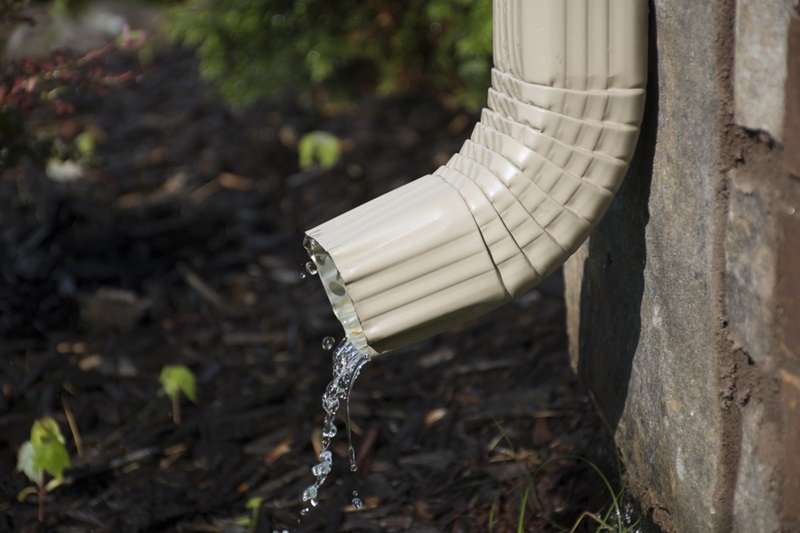
Before the next heavy downpour, it is worth asking where your shed runoff will actually go. Quality gutters, downpipes, and proper discharge lines help move water away from the slab, lawn, fences, and nearby properties before it causes damage. A backyard shed should add value to your home, not create drainage problems every time it rains. Treating stormwater drainage as part of the shed build protects your tools, keeps the yard usable, and helps the structure last longer.