Shed vs Garage: Which Storage Solution Is Better?
Shed vs Garage: Which Storage Solution Is Better?
Homeowners need to think about space, access, long-term use, and how a new structure changes the layout of the property. A shed and a garage may both solve storage problems, but they affect your home in very different ways. One takes a lighter approach with faster installation and less space, while the other becomes a larger extension of the property itself.
Every square meter matters when you are trying to keep tools, equipment, seasonal items, and vehicles protected without overcrowding the yard. Adding a structure changes traffic flow, usable outdoor space, and future landscaping options. Before committing to a build, it helps to compare the practical benefits, costs, maintenance needs, and long-term value of each option.
This guide breaks down the differences between sheds and garages so you can choose the setup that works best for your property.
Balancing Storage Space With a Healthy Yard
If your yard is already tight, a new build may affect drainage, sunlight, garden space, and access around the home. Large slabs can stop rainwater from soaking into the ground, while tall structures may shade areas that still need light.
Before adding more storage, check how it may affect:
- Water flow after rain
- Soil around nearby trees
- Grass and garden beds
- Underground pipes and roots
- Boundary setbacks and access
Council rules may also limit where a permanent structure can sit, especially when it comes to boundary setbacks, height, drainage, easements, and access points. Experts at Jim’s Self Storage in Williamstown share this perspective, “Seasonal gear, spare furniture, and large equipment do not always need to live at home. A secure storage unit can free up space without adding another structure.”
What Homeowners Get From a Shed Setup
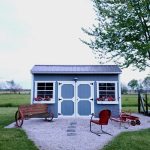
A shed works best when your storage needs are specific and manageable. It gives you a dedicated place for outdoor equipment while keeping the rest of the yard open. Since sheds are smaller than garages, they can fit into corners or side areas without dominating the property.
Homeowners usually choose sheds for:
- Fast installation with less site disruption
- Lower cost compared with a full garage build
- Easy access to lawnmowers, trimmers, and hand tools
- Protection for garden gear, outdoor cushions, and small equipment
For homeowners who need practical storage without giving up too much yard space, a shed offers a simple and targeted setup.
Maintenance and Lifespan of a Shed
The amount of maintenance depends heavily on the material you choose and how exposed the structure is to weather, moisture, and direct sun. Timber sheds usually need more attention, while steel sheds handle moisture and pests differently.
Homeowners should expect to monitor:
- Timber panels for repainting, fading, or water damage
- Steel panels for rust around fasteners and joints
- Roof sheets for leaks, lifting, or storm wear
- Door hinges and locks exposed to outdoor conditions
- Ground moisture around the shed base
Repairs tend to be simpler, replacement materials cost less, and the smaller footprint makes inspections quicker.
Why Some Homeowners Choose a Garage Instead
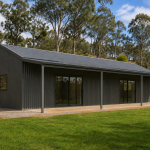
Some homeowners choose a garage when storage needs go beyond garden tools and seasonal gear. A garage gives you a larger enclosed structure with stronger protection, better access, and more flexibility for daily use. It can also become a workspace, not just a place to park.
A garage can give you space for:
- Cars, motorbikes, trailers, or small boats
- Large tools like table saws and compressors
- Workbenches, shelving, and project materials
- Locked storage behind roller doors
- Power points, lighting, and better weather protection
The trade-off is the bigger footprint and higher upfront cost. For the right property, though, a garage can add practical space and long-term value.
Garage Value and Long-Term Use
For many homeowners, a garage becomes part of the long-term function and value of the property. Unlike a shed, a garage adds permanent enclosed space that future buyers may see as a major advantage, especially in areas where secure parking and storage are limited.
A garage may support:
- Secure vehicle parking
- Workshop or hobby space
- Extra storage for growing families
- Future home projects or renovations
- Better resale appeal for buyers needing more covered space
While garages require a larger upfront investment, they offer broader day-to-day use and stronger long-term practicality for homeowners planning to stay in the property for years.
Finding the Right Storage Setup for Your Space
A storage solution should solve clutter without creating new problems around the home. Before choosing, think about your space, budget, yard layout, and the items you need to protect. The right answer may be a shed, a garage, off-site storage, or a mix of options.
Before choosing, ask a few practical questions about your space, and long-term plans:
- Will a new structure leave enough open space?
- Are you storing tools, vehicles, bulky items, or seasonal gear?
- Do you need a simple setup or a long-term build?
- Do council rules allow the placement you want?
- Will the structure affect drainage, trees, sunlight, or access?
Choose the option that gives you more usable space while keeping your property practical and comfortable.