Choosing Commercial Outdoor Power Equipment Consumables
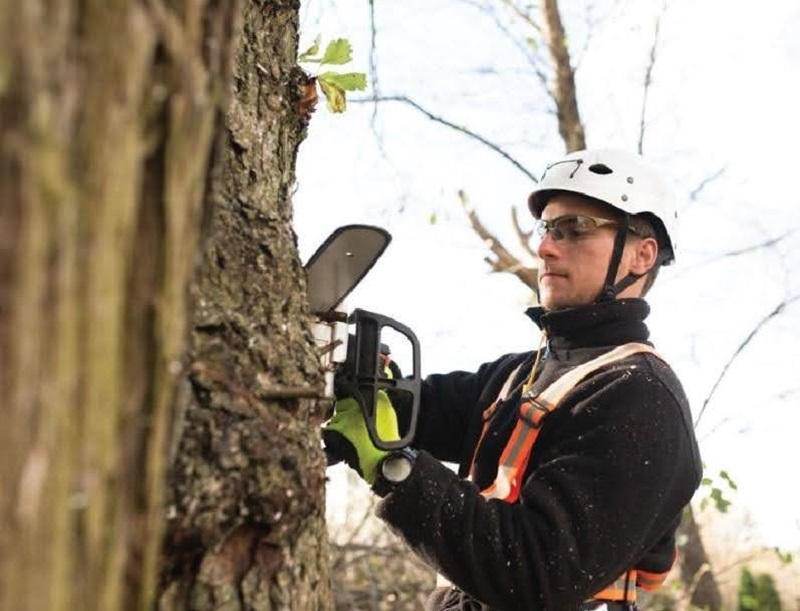
Have you ever started a job with a fresh spool of trimmer line, only to be re-feeding it every ten minutes on a tough block? Many owner-operators face this. The chain on the saw won’t hold an edge past lunchtime. The two-stroke oil came from the servo because there was no time to drive to the proper supplier. None of these problems is catastrophic on its own, but added up across a year, they quietly drain margin and time.
The underlying issue is that most small operators choose consumables reactively, not systematically.
Why Consumables Quietly Erode Margin
Consumables look like a small line item on the books, but across a round of 80 properties a week, the spend adds up faster than most operators track. A spool here, a chain there, a bottle of oil from the servo on the way to a job. None of it registers as significant in the moment, which is generally why the leak goes unnoticed.
Consumables drain a business in two ways. The first is direct spend, paying too much per metre of trimmer line, per chainsaw chain, or per litre of oil because the buying is reactive rather than planned. The second is indirect cost, often the larger of the two. Downtime spent re-feeding line, re-sharpening chains, or replacing a damaged trimmer head pulls billable hours out of the week. Few owner-operators sit down and calculate cost-per-property on consumables, but that figure is usually where the margin leak sits.
Matching Trimmer Line to the Job, Not the Habit
Trimmer line profile matters more than many operators think. Round trimmer line is generally well suited to standard residential trimming, where grass is soft and consistent. Twisted and square textured profiles are often considered better for heavier growth, larger commercial sites, and work around tree bases, because their edged construction cuts more aggressively under load.
Diameter selection comes down to machine capacity. A 2.4mm line suits most residential rounds, while 2.7mm and above is generally better matched to tougher commercial blocks. Sizing up too far can damage the trimmer head, so checking the machine’s recommended range before changing diameters is worth the minute it takes.
The volume economics are where the savings sit. Single spools from hardware chains carry a much higher cost-per-metre than boxed runs from a commercial supplier, and the gap widens further across a busy round. Commercial-grade trimmer line is generally manufactured from premium copolymer blends with consistent diameter, which holds up better under sustained load than consumer line that tends to shred.
Chains, Blades, and the Cost of Cheap Steel
Chainsaw chains need to match the bar in pitch, gauge, and drive link count. Running the wrong combination wears the bar and the chain faster than either should. Commercial-grade chainsaw chains are generally engineered to hold an edge longer through hardwood, dirty bark, and the kind of pruning work that dulls cheaper chains by mid-morning.
Many professionals keep two or three sharpened chains in the ute rather than stopping to file mid-round. Swapping a chain takes a minute. Sharpening one in the field takes ten or fifteen and rarely returns a clean edge.
Edger blades follow a similar pattern. Blade thickness and steel quality affect how often a blade needs replacing across kerb and concrete edges, and cheaper blades often need replacing two or three times more often than commercial-grade ones. As a general principle, paying around twenty percent more for a properly engineered chain or blade often returns thirty to forty percent more usable cutting hours.
Oils, Lubricants, and the Consumables Operators Forget
Oils and lubricants are usually bought on autopilot, but the grade and quality affect equipment life in a way that becomes obvious only after a machine fails early. Two-stroke oil grade and mix ratio matter for a fleet of brushcutters and blowers running through an Australian summer. The wrong oil, or the wrong ratio, generally shortens engine life and reduces power under load.
Bar and chain oil is another area where shortcuts cost more later. Tackifier content and viscosity are designed to keep the oil on the chain at speed, and automotive oil is not a substitute. Grease, spark plugs, and air filters fall into the same category, often determining whether a machine lasts six years or three.
Buying oil reactively from a service station generally costs more per litre and rarely matches commercial-grade specs. A scheduled order from a trade-focused supplier is usually the cheaper and more reliable approach.
Building a Consumables System That Actually Holds
A workable consumables system starts with a simple audit. List every consumable used across a typical month, what’s spent on each, and where it’s currently bought. Most operators find at least one or two categories where the spend is higher than it needs to be.
The next step is matching each consumable to the job profile. Residential rounds and commercial accounts have different demands, and the trimmer line, chains, and oils that suit one are not always the best fit for the other. Ordering in volume from a commercial supplier rather than single units from the closest shop generally lowers cost-per-metre and per-chain, while keeping a running stock in the shed and the ute reduces mid-job interruptions.
Standardising across the fleet helps too. The same line profile, the same chain spec, and the same oil grade across machines reduces decision fatigue and ordering errors. Suppliers like RG Enterprises stock commercial-grade consumables in case quantities suited to operators running multi-property rounds, which makes volume ordering straightforward.
Reactive Buying Has a Running Cost
Consumables are not a small detail in an owner-operator business. They are a margin and time lever that compounds across a busy round, often more than the books suggest. Shifting from reactive buying to a workload-matched system generally pays back in better finish quality, less downtime mid-job, and stronger weekly margins. For operators ready to make that shift, sourcing commercial-grade trimmer line, chains, blades, and oils from a trade-focused Australian supplier is usually the practical next step.