What to Do If You Suddenly Lose Power in Your Home
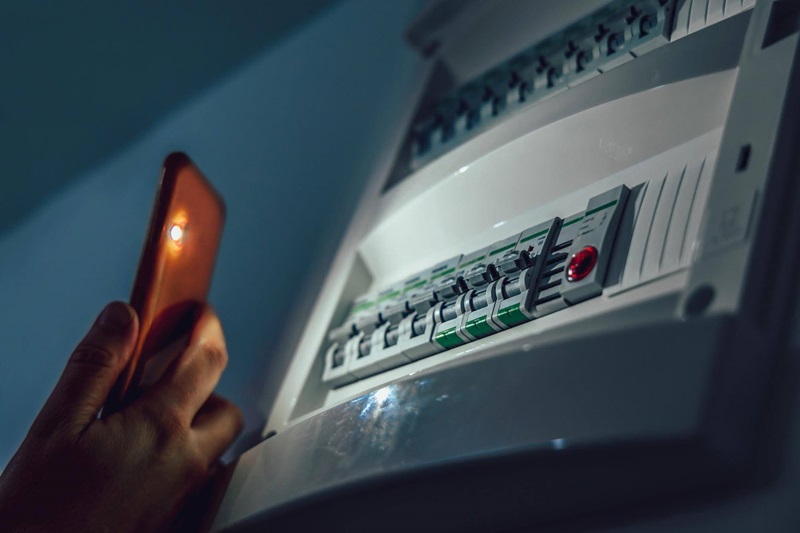
Losing power in your home can be stressful, especially when it happens without warning. One minute everything is working, the next you’re sitting in the dark trying to figure out what just happened. It can feel confusing and even a bit worrying, particularly if you’re not sure whether it’s a simple issue or something more serious.
The good news is that most power outages follow a pattern. Knowing what to look for and how to respond can help you stay calm and avoid making the situation worse.
Start by Checking What’s Actually Affected
The first thing to do is understand the scope of the problem.
Take a quick look around your home and check:
- Are all the lights off or just one area?
- Are some appliances still working?
- Do certain power points still have electricity?
If only part of your home has lost power, it may point to a local issue within that area. If everything is off, it’s more likely to be a broader problem.
This first step helps you avoid guessing and gives you a clearer idea of what’s going on.
Check If It’s Just Your Home or the Whole Area
Once you know what’s happening inside, look outside your home.
- Check if nearby houses have power
- Look at streetlights or surrounding buildings
- See if your neighbours are affected
If the whole street is out, there’s likely to be a power outage in your area. These are usually caused by external factors and are often resolved without anything needing to be done at your end.
If your home is the only one affected, the issue is more likely to be inside your electrical system.
Understand What Might Have Caused It
Power outages can happen for a range of reasons. Some are simple and temporary, while others may need more attention.
Common causes include:
- Power outages from the grid
- Storms damaging power lines
- Overloaded circuits inside the home
- Faulty appliances drawing too much power
- Issues with wiring or electrical components
Understanding that there are different causes helps you avoid jumping to the wrong conclusion. Not every outage means something major has gone wrong, but it’s still important to take it seriously.
Why Safety Matters More Than Speed
When the power goes out, it’s natural to want to fix it quickly. But rushing can create more problems, especially with electricity.
Electrical systems can be dangerous if something isn’t working properly.
It’s important to avoid:
- Touching exposed wires
- Using damaged outlets or switches
- Trying to fix electrical faults yourself
Even if the issue seems small, it’s not worth the risk. Safety should always come first.
What People Often Do That Makes It Worse
In the moment, it’s easy to react without thinking. But some common actions can actually make things worse.
These include:
- Turning the power on and off repeatedly
- Plugging all appliances back in at once
- Ignoring warning signs like burning smells
- Assuming the problem will fix itself
These actions can overload the system or hide a more serious issue that needs attention.
When the Power Comes Back
Sometimes the power will return on its own. This can happen after a temporary outage or when a system resets.
But just because the power is back doesn’t always mean everything is fine.
After power returns, keep an eye out for:
- Lights flickering or dimming
- Appliances not working properly
- Power cutting out again
- Circuit breakers continuing to trip
These signs can indicate that the underlying issue is still there.
When It Might Be Something More Serious
There are times when a power outage points to a deeper problem in your home.
Watch for signs like:
- Power going off repeatedly
- Only certain areas losing power
- Burning smells or unusual heat
- Buzzing or crackling sounds from outlets
These can be warning signs of electrical faults that shouldn’t be ignored. Even if the power comes back, the issue may still need attention.
Real-World Situations Homeowners Experience
Many homeowners experience power issues that don’t seem to make sense at first.
For example:
- The power cuts out when using certain appliances
- Lights dim when multiple devices are running
- The system works fine one day and fails the next
These situations often point to underlying electrical strain. While they may not seem urgent at first, they can lead to bigger problems if left unchecked.
What to Do Next If You’re Unsure
If you’re not sure what caused the outage, the most important thing is to understand the situation before taking further action.
Some issues are minor and temporary. Others can involve real safety risks if handled incorrectly.
If you think you may be dealing with an electrical emergency, it’s important to know what steps to take and what to avoid so you can stay safe.
Getting Things Back to Normal
Power outages can be frustrating, but they don’t always mean something serious has gone wrong. In many cases, there’s a simple explanation once you understand what’s happening.
By checking what’s affected, looking at your surroundings, and staying aware of warning signs, you can respond with more confidence.
And if something doesn’t feel right, it’s always better to take a cautious approach. Acting safely and understanding the situation will help you get things back to normal without unnecessary stress.