Solar Battery Features That Actually Matter Most
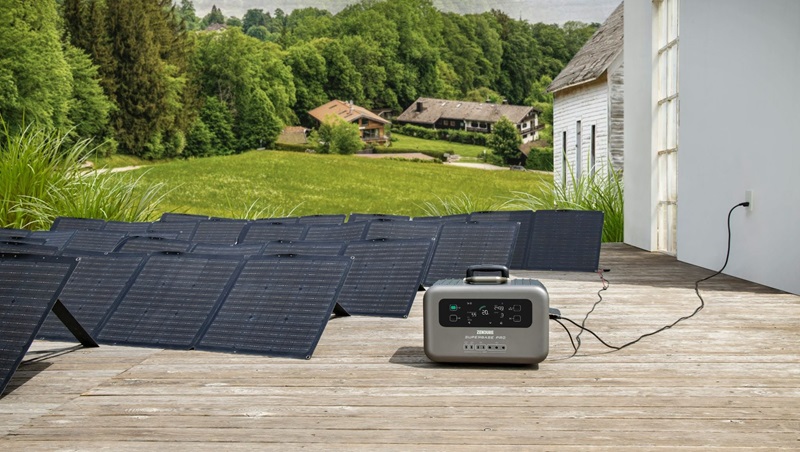
The solar battery market has matured rapidly, and with that growth has come a wave of technical specifications, marketing claims, and competing products that can be difficult to navigate. Before exploring the solar rebate offers available to you, it helps to understand which features genuinely affect day-to-day performance, lifespan, and overall value and which are largely cosmetic selling points. Here is a practical guide to the specifications that actually matter.
Usable Capacity: The Number That Actually Counts
Battery storage is typically marketed by total capacity in kilowatt-hours, but the figure you should focus on is usable capacity. Due to the way lithium-ion chemistry works, most batteries reserve a portion of their total storage to protect against deep discharge, which degrades cells more quickly. A battery with a high depth of discharge (DoD) rating ninety per cent or above gives you more of the total capacity as usable energy. When comparing systems, always ask for the usable kWh figure, not the gross rating.
Round-Trip Efficiency
Every time energy passes through a battery in during charging, out during discharge some is lost as heat. Round-trip efficiency measures how much of the energy stored actually comes back out. A system with ninety-five per cent round-trip efficiency loses just five per cent in conversion. Lower-efficiency systems might rate at eighty to eighty-five per cent, meaning a meaningful chunk of your solar generation disappears before it even reaches your appliances. Over ten or fifteen years, this difference compounds significantly.
Continuous Power Output (kW Rating)
Capacity tells you how much energy a battery can store; power output tells you how quickly it can deliver that energy. A battery rated at 5 kWh of usable capacity with a continuous output of 3 kW will power a limited range of appliances at any one time. If your household runs high-draw equipment simultaneously air conditioning, an oven, and a washing machine, for example you may need a battery with higher continuous output even if the total stored energy is sufficient for your daily needs.
Warranty and Cycle Life
A battery’s warranty is one of the most informative signals of its expected lifespan and the manufacturer’s confidence in their product. Look for warranties that specify both a time period and a performance guarantee for example, retaining eighty per cent of original capacity after ten years or three thousand charge cycles. According to the Clean Energy Council, warranties that include both a cycle count and a capacity floor give consumers the strongest form of protection. Be cautious of warranties that are very short or that contain vague performance language.
Backup Power Capability
Not all solar battery systems can power your home during a grid outage and even among those that can, the implementation varies considerably. Some systems offer seamless switchover (the home remains powered without interruption when the grid fails), while others require a manual process or have a brief dropout during the transition. Full home backup, which protects all circuits, requires different hardware than partial backup, which covers only selected circuits. If grid resilience is important to you, clarify the backup configuration before committing to a system.
Thermal Management and Safety
Lithium-ion batteries generate heat during charging and discharging, and their performance and longevity are sensitive to operating temperature. Better-quality systems include active thermal management typically air or liquid cooling that maintains the battery cells within their optimal temperature range. This is particularly relevant in Australian conditions, where summer temperatures can be extreme. Check the manufacturer’s specified operating temperature range, and consider whether the proposed installation location will remain within those limits year-round.
Smart Monitoring and Software
A modern home battery system should come with a monitoring application that gives you real-time visibility over your energy generation, storage, and consumption. The best platforms also offer automated optimisation for example, holding charge for evening peak tariff periods or pre-charging ahead of a forecast overcast day. Some systems participate in Virtual Power Plant programmes that generate income by sharing grid services. According to the International Energy Agency, intelligent software is increasingly the differentiating factor between battery systems with similar hardware specifications it can meaningfully improve the financial returns of an otherwise comparable installation.
Physical Footprint and Installation Flexibility
Battery systems vary considerably in size, weight, and installation requirements. Some are compact, wall-mounted units suited to small garages or utility cupboards. Others are floor-standing and require more substantial mounting provisions. Check the ingress protection (IP) rating if outdoor installation is being considered not all systems are rated for external exposure in Australian conditions. A system that fits your available space cleanly, without requiring significant building modifications, will generally cost less to install.
Compatibility With Future Technology
The energy landscape is evolving quickly. Electric vehicles, home energy management systems, and expanded VPP programmes are all on the near horizon for many Australian households. A battery system that is designed for integration with open communication protocols, expandable capacity, and EV-charging compatibility offers more long-term value than a closed system built solely for today’s use case. Asking about future compatibility upfront can save you from an expensive system replacement further down the track.
The features described here are the ones that genuinely affect how well a solar battery performs, how long it lasts, and how much value it delivers over its lifetime. Armed with this understanding, you will be far better positioned to compare quotes, interrogate specifications, and select a system that is genuinely the right fit for your home and energy goals.