Landscaping Project Cleanup: Managing Yard Waste and Debris
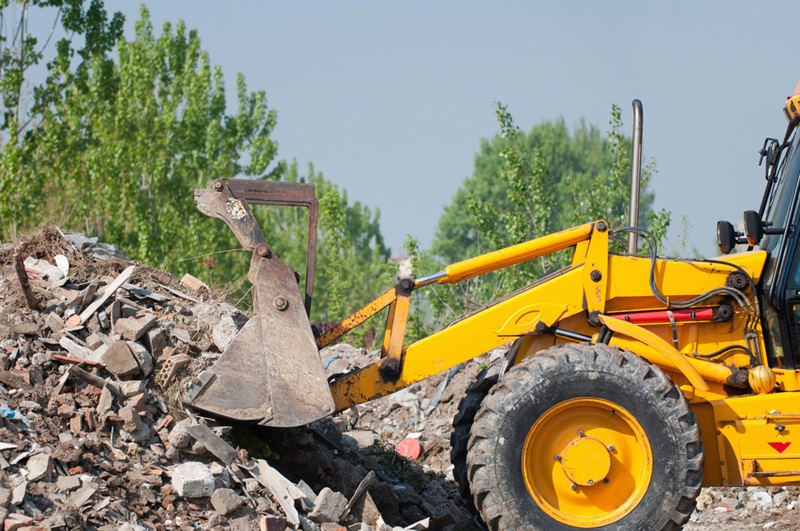
Major landscaping projects transform outdoor spaces but leave behind an impressive volume of debris. Tree branches, sod rolls, old fencing, broken pavers, and soil excavations pile up faster than most homeowners anticipate. Without a practical disposal plan, yard waste can stall project completion and create an eyesore that neighbors complain about. Understanding how to manage landscaping debris efficiently keeps your project moving and your property presentable throughout the renovation process.
Estimate Your Yard Waste Volume Early
Before the first shrub is removed or patio stone lifted, take time to estimate the debris volume your project will generate. Tree removal produces heavy wood waste, while regrading or excavating for hardscaping yields dense soil and rock loads. Even seemingly small projects like replacing garden beds or removing old mulch create surprising amounts of material when accumulated.
Most residential landscaping projects benefit from a 10 to 20-yard roll-off container. Larger renovations involving multiple trees, retaining wall demolition, or full-yard regrading may require 30-yard units. Having a container on-site from day one prevents the inefficient accumulation of debris piles that must be handled twice—once into a pile, then again into a disposal container.
Understand Local Yard Waste Regulations
Municipal waste programs often treat yard debris differently from household garbage. Some areas offer seasonal curbside collection for branches and leaves, but these programs typically exclude construction materials like concrete, lumber, or old fencing. Many jurisdictions also prohibit burning yard waste due to air quality regulations, leaving homeowners with fewer disposal options than expected.
Private disposal solutions become essential for comprehensive landscaping cleanups. Renting a dedicated container ensures that all material types—organic and non-organic—can be disposed of legally and efficiently in a single coordinated haul.
Schedule Container Delivery Around Your Project Phases
Landscaping projects unfold in distinct phases: demolition and removal, grading and preparation, installation, and final cleanup. Each phase generates different debris types and volumes. A flexible rental period allows you to fill the container progressively as work advances, rather than rushing to dispose of everything within a narrow window.
Coordinate your container delivery with the demolition phase start date, and plan for pickup shortly after installation concludes. This timing captures the bulk of your waste while avoiding the container sitting idle on your driveway for weeks after the project wraps up.
Protect Your Driveway and Property
Heavy containers loaded with wet soil, stone, and wood can damage driveways if placed improperly. Reputable providers offer driveway-protection measures such as wooden planks or specialized container designs that distribute weight safely. Clear a path for delivery trucks that accounts for overhead branches, narrow gates, or sloped approaches.
Communicating your property layout and access constraints with your rental provider before delivery day prevents costly damage and scheduling delays.
Conclusion
Landscaping transformations create beautiful outdoor spaces, but the cleanup process deserves as much planning as the design itself. Estimating debris volume, understanding local disposal rules, and securing a properly sized container with a flexible rental period keeps your project efficient and your property protected. For homeowners managing substantial yard renovations, an affordable dumpster rental provides the convenient, on-site disposal capacity that landscaping projects demand.