What Causes Timber Floors to Fade, and Can It Be Fixed?
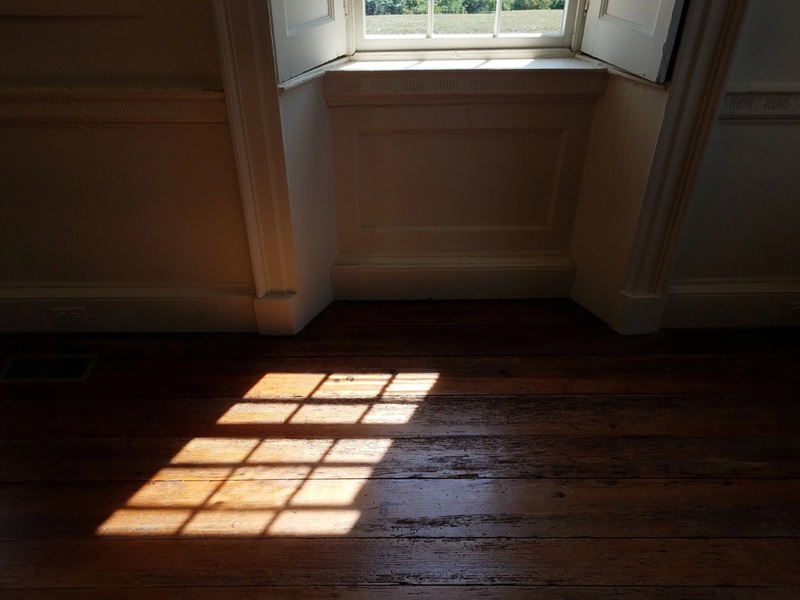
Homeowners often ask about timber floor repair when they notice their timber floors have started to fade, darken or change colour. This is common in Australian homes, especially in rooms with strong natural light.
Timber is highly sensitive to sunlight. Over time, exposure to UV light, visible light and heat can change the colour of the wood and the finish sitting on top of it. Some floors become darker and warmer, while others fade or lose their original tone.
The good news is that fading can often be managed or repaired. Depending on the condition of the floor, options may include wooden floorboards restoration, wood floor bleaching, sanding, recoating and choosing the right timber floor finishes. In this article, we explain what causes timber floors to fade, how to prevent it and when restoration may be needed.
What Causes Timber Floors to Fade and Change Colour
UV Light Exposure and Wood Photosensitivity
Timber changes colour because wood is photosensitive. This means it reacts to sunlight and other forms of light exposure.
UV light is one of the main causes of timber floor fading. It breaks down lignin, which is the natural compound that helps bind wood fibres together. As lignin degrades, the timber can start to yellow, darken or shift into warmer orange and brown tones.
The natural compounds within timber, known as extractives, can also react with light and oxygen. This process can create noticeable colour changes, sometimes over a relatively short period. Depending on the timber species, this may cause the floor to darken, lighten or take on a warmer tone.
Visible Light and Infrared Heat Effects
Sunlight contains visible light, UV rays and infrared heat. Each can affect timber flooring in a different way.
Visible light contributes to colour change over time, while infrared heat can dry out timber and affect the coating. In rooms with large windows or strong direct sunlight, this can increase the risk of fading, drying, movement or surface damage.
Dark timber floors and dark finishes can absorb more heat than lighter surfaces. If the floor becomes too hot in direct sunlight, it may place extra stress on the timber and the coating.
How Timber Floor Finishes Affect Colour Change
The finish on your timber floor plays a major role in how the colour changes over time.
Solvent-based coatings and oils often darken timber and can create a warmer, more golden appearance. This can look beautiful, but it may become more noticeable on lighter timbers.
Water-based coatings are generally more colour stable and are less likely to yellow with age. They can help lighter timber floors maintain a more natural tone, especially in homes with strong sunlight.
Stains can also affect colour stability. Pigment-based stains usually hold their colour better than dye-based stains. Some pigments are better at absorbing UV light, which can help slow down visible changes in the timber surface.
Wood Species and Their Fading Patterns
Different timber species change colour in different ways.
Lighter softwoods, such as pine, often become more yellow or golden over time. Some darker timbers may lighten with sun exposure, while many Australian hardwoods become richer, warmer and deeper in colour.
Timbers such as blackbutt, spotted gum and jarrah can all respond differently to sunlight, finishes and bleaching treatments. This is why it is important to choose a restoration method that suits the specific timber species in your home.
How to Prevent Timber Floor Fading
Prevention works best when several methods are used together. You may not be able to stop colour change completely, but you can reduce uneven fading and help your timber floors age more evenly.
Move Rugs and Furniture Regularly
Rugs, furniture and mats can block sunlight from reaching parts of the floor. Over time, this can leave obvious light and dark patches.
Moving rugs and furniture regularly helps balance light exposure across the floor. This is especially important in the first few months after sanding, polishing or installing new timber flooring.
If moving large furniture is difficult, consider rotating rugs or removing them during sunnier months. This helps the floor develop a more consistent colour over time.
Use Window Coverings During Peak Sunlight
Window coverings are one of the simplest ways to reduce timber floor fading.
Blinds, curtains, shutters and roller shades can help block direct sunlight during the brightest parts of the day. Plantation shutters and venetian blinds are useful because they can be angled to redirect sunlight away from the floor while still allowing natural light into the room.
This is particularly helpful in rooms with large glass doors, wide windows or strong afternoon sun.
Apply Timber Floor Coating with UV Inhibitors
Modern timber floor coatings are designed to offer better durability and protection than older finishes.
No coating can completely stop timber from changing colour, but some timber floor finishes include UV inhibitors that help slow the effects of sunlight. High-quality water-based coatings can also reduce yellowing and help maintain a more natural timber tone.
Choosing the right coating is especially important for rooms with high levels of natural light.
Install Window Films and Awnings
Window films can help reduce the amount of UV and infrared light entering your home. Quality residential window film can block most UV radiation, which helps protect timber floors, furniture and other interior finishes.
Awnings can also be effective because they stop harsh sunlight before it reaches the window. Retractable and fixed awnings are both useful options, depending on the layout of your home.
For renovations or new builds, wider eaves or shading above windows can also help reduce direct sunlight on timber floors.
Seal Timber Floor with Professional Grade Products
Professional-grade sealants and coatings provide an added layer of protection for timber floors.
A quality seal can help protect the timber surface from light exposure, wear and moisture. It works best when combined with other prevention methods, such as window coverings, rugs and regular maintenance.
Can Faded Timber Floors Be Fixed
Faded timber floors can often be repaired or improved. The right solution depends on the severity of the fading, the timber species and the condition of the existing finish.
Sanding and Refinishing for Severe Fading
When fading is widespread or uneven, sanding and refinishing may be the best option.
Sanding removes the old coating, surface oxidation and shallow discolouration. Once the timber is sanded back, a fresh finish can be applied to restore colour, clarity and protection.
This approach is useful when the floor has a patchy appearance caused by rugs, furniture or long-term sun exposure. It can also help with surface stains, worn coatings and dull timber.
If stains have penetrated deeper into the timber, sanding may still improve the appearance, but some marks can be more difficult to remove completely.
Wood Floor Bleaching for Minor Discolouration
Wood floor bleaching may be suitable for some forms of discolouration. This is usually done using professional timber bleaching products, such as oxalic acid or two-part wood bleach.
Bleaching can help lighten dark marks, reduce uneven tones and create a softer colour across the floor. However, not every timber species responds the same way.
Blackbutt and spotted gum may bleach to a lighter honey tone, while jarrah can retain some of its red undertones. Pine floorboards can often be lightened more noticeably.
The process usually involves sanding off the existing finish, applying the bleaching treatment, neutralising the timber, sanding again and applying a protective finish.
When Wooden Floorboards Restoration Is Needed
Wooden floorboards restoration may be needed when fading is combined with deeper damage.
Signs your floors may need professional restoration include:
- Deep scratches or gouges
- Grey or worn boards
- Water stains
- Warping or cupping
- Peeling or patchy coating
- Uneven fading from rugs or furniture
- Dull areas that no longer respond to cleaning
Solid timber floors can usually be sanded and restored multiple times, depending on the thickness of the boards. Engineered timber may have more limits, as the top timber layer is thinner.
Maintaining Even Timber Floor Colour Over Time
Balancing Light Exposure Across Your Floor
Most timber colour change happens in the early months after sanding, polishing or installation.
During this period, it is important to avoid leaving rugs, mats and furniture in the same position for too long. Moving items around helps prevent sharp colour differences from forming.
Over time, the colour change usually slows and becomes more stable. Regular maintenance helps keep the floor looking even and well protected.
Choosing the Right Timber Floor Finishes
The finish you choose affects how your timber floor looks now and how it will age.
Gloss finishes can look polished and are easy to clean, but they may show scratches more clearly. Matte and satin finishes can help hide fine marks, although they may require careful cleaning to avoid dirt build-up.
Water-based finishes are a good option if you want to reduce yellowing and maintain a lighter, more natural timber colour. Solvent-based coatings and oils can create a richer, warmer look, but they may darken over time.
If you are staining the floor, pigment-based stains are usually more colour stable than dye-based stains.
Professional Maintenance and Recoating
Regular maintenance helps prevent fading, wear and surface damage from becoming more serious.
A professional screen and recoat every few years can refresh the protective layer without needing a full sanding process. This can restore clarity, improve sheen and protect the timber from further wear.
You may need recoating if you notice scuffed finishes, dull patches, dark areas or visible discolouration from sunlight.
Conclusion
Timber floor fading is common, especially in Australian homes with strong natural light. UV exposure, visible light, heat, timber species and floor finishes can all affect how your floors change colour over time.
While some natural colour change is expected, uneven or severe fading can often be prevented, reduced or repaired. Window coverings, UV-protective coatings, moving rugs and furniture, and regular maintenance all help protect your floors.
If fading has already occurred, sanding, refinishing, bleaching or wooden floorboards restoration may help bring your timber floors back to life. With the right care, your floors can continue to look warm, natural and beautiful for many years.