Designing Calm Interiors With Coastal Influence
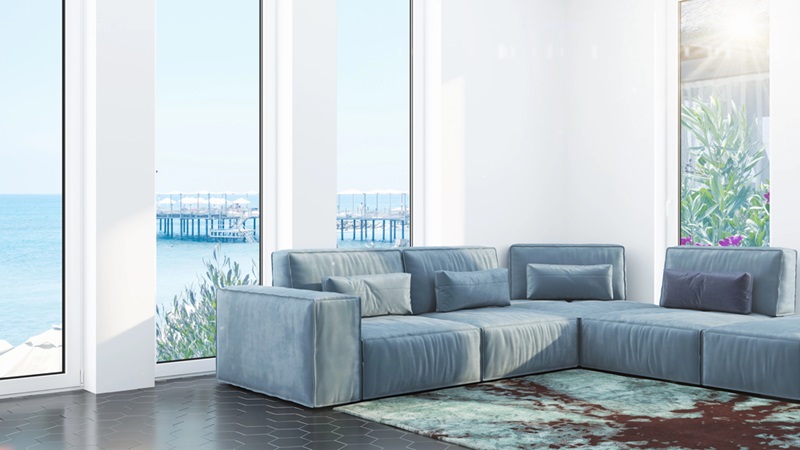
A calm interior with coastal influence is shaped by restraint, softness and a strong sense of visual ease. It does not rely on obvious seaside references or decorative clichés. Instead, it draws on the qualities people associate with coastal environments: light, openness, natural texture and a palette that feels settled rather than busy. Whether the space is residential or commercial, the goal is to create a room that feels lighter to live in and easier to look at.
Use Coastal Wall Accents To Set The Mood
Wall décor often helps establish the tone of a coastal-inspired room before furniture and styling details are fully noticed. The strongest choices usually reflect softness and space, whether through abstract seascapes, textured finishes, framed photography or beach wall art that picks up sandy neutrals, muted blues or hazy horizon lines. Used well, these elements can guide the eye without making the room feel themed or overworked.
What matters most is how the wall treatment supports the rest of the space. A large piece with quiet tones can create a focal point while still preserving calm. When the artwork or accent feels connected to the room’s palette and materials, it becomes part of the atmosphere rather than an interruption.
Keep The Colour Palette Light But Grounded
Colour is one of the clearest ways to bring coastal influence into an interior without forcing it. Calm rooms usually begin with warm whites, soft stone, beige, oat and driftwood tones, then build gently through muted blue, sea-glass green or greyed layers. These colours reflect natural light well and help a room feel open without becoming cold.
The effect tends to fall apart when the palette becomes too sharp or saturated. Bright nautical blues, crisp contrast and overly glossy finishes can make a space feel more decorative than restful. A softer scheme creates a better foundation, especially when the intention is long-term calm rather than a short-lived visual statement.
Let Natural Texture Do More Of The Work
Texture is often what gives a calm coastal space its depth. Linen, timber, cotton, wool, rattan, jute and matte ceramics all add variation without introducing noise. These materials carry an understated warmth that keeps pale interiors from feeling flat or impersonal.
A room with limited texture can feel unfinished, even if the colours are right. On the other hand, a textured interior can remain visually interesting while still feeling quiet. This is why natural materials are so important in coastal design. They create richness through finish and touch rather than through clutter or contrast.
Choose Furnishings That Feel Relaxed
Furniture contributes just as much to atmosphere as colour and styling. Coastal interiors tend to feel calmer when the silhouettes are uncomplicated, and the proportions are balanced. Research into furnished interior spaces supports this idea, showing that the presence of furniture can affect both perceived room height and spaciousness.
That makes scale and spacing especially important. A room can have the right colours and textures, yet still feel heavy if the furniture is too bulky or placed too closely together. Well-scaled pieces, softer forms and clear walkways help the space feel more open, reinforcing the relaxed appeal of coastal design.
Avoid Overstyling The Space
One of the quickest ways to lose a calm coastal feel is to add too much. Shell motifs, rope details and repeated beach references can turn a refined concept into a predictable theme. Coastal influence is usually more effective when it is implied through tone, texture and proportion rather than spelt out through obvious decorative choices.
Editing matters here. A few well-chosen objects, layered textiles and thoughtful lighting will often do more than fill shelves and surfaces. Calm interiors benefit from visual discipline. Every piece should have a clear role in the room, whether it adds softness, texture, shape or warmth.
Let Calm Come Through In The Finish
Designing calm interiors with coastal influence is ultimately about control rather than excess. Soft colour, natural texture, measured styling and carefully chosen wall accents all help create rooms that feel composed and liveable. The most successful spaces do not try to imitate the coast literally. They borrow its atmosphere instead.
When that balance is right, the result feels timeless rather than trend-driven. The room appears lighter, quieter and more comfortable, while still holding enough detail to feel complete. That is what gives coastal design its staying power in both homes and shared spaces.