Under Sink Water Filter System Cost: Price, Install, and Upkeep
Key Takeaways
- The total cost of an under sink water filter system includes the unit, installation and years of cartridge replacements, not just the price on the tag.
- The type of filter, the number of stages, the tap you choose and how complex the install is all change the price.
- Reverse osmosis systems usually cost more than carbon or sediment systems, and they may need more space and plumbing.
- Compare the running cost over several years, and ask about cartridge prices and availability before you buy.
Introduction
When people shop for an under-sink filter, the first question is usually how much it costs. The honest answer is that it depends, and the sticker price tells only part of the story. Installation, a dedicated tap and replacement cartridges all add up over the life of the system.
This guide explains what drives the cost of an under-sink filter, from the unit itself to installation and upkeep. It does not quote specific prices, because they change and vary between models. Instead, it shows you how to compare options and plan a realistic budget.
What an under sink filter costs you
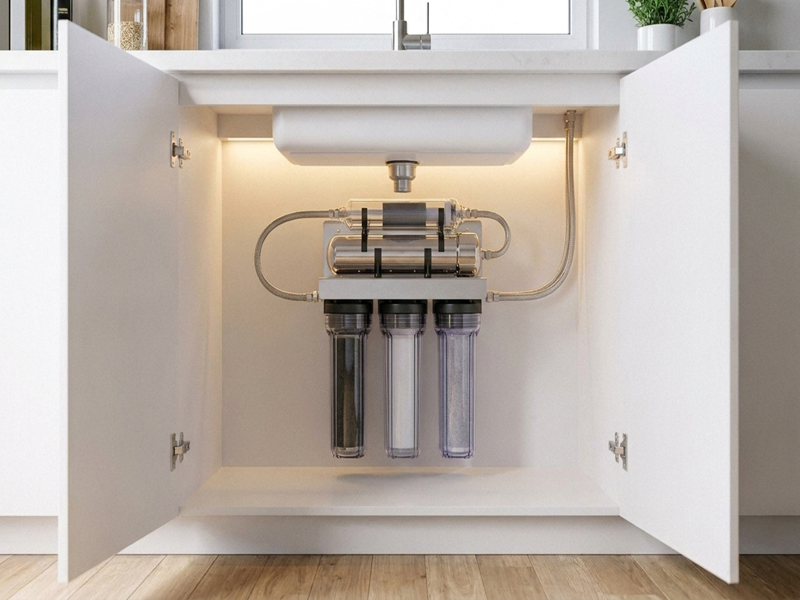
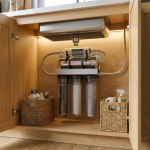
An under sink water filter system sits in the cupboard below the kitchen sink and connects to the cold water supply. The cost has three parts: the system, the installation and the ongoing upkeep.
Many people focus on the first part and forget the others. A cheaper unit with costly cartridges or a difficult install can end up more expensive than a pricier one that is easy to run. Looking at the full picture helps you choose well.
Think about how long you plan to stay in the home, too. A system you will use for many years can justify a higher upfront cost, while a short stay may call for a simpler setup.
What affects the price of the system
Several things change the price of the unit itself.
The type of filter matters most. A carbon or sediment system is usually the most affordable. Specialised systems, such as those for fluoride or particular contaminants, and reverse osmosis units cost more because they include extra components.
The number of stages makes a difference. A single-stage filter is the simplest and cheapest, while twin and triple systems add stages and cost. More stages are not always better, so match them to what you want to reduce.
The tap is another factor. Some systems use a small dedicated tap for filtered water, some connect to an existing mixer, and some deliver hot, cold and filtered water through a three-way mixer. Each option has a different cost and look.
According to its website, AquaSafe lists filter type, number of stages, a dedicated tap or direct connection, installation complexity and ongoing maintenance among the things that affect cost.
Reverse osmosis versus carbon systems
Reverse osmosis systems use a fine membrane to reduce many dissolved substances, and they are often chosen when someone wants the most thorough treatment. They generally cost more, need more space and may involve a storage tank and more plumbing.
Carbon and sediment systems are simpler. They suit people who mainly want better taste and a reduction in chlorine and particles. They usually cost less to buy and to run.
Choose based on your goal. If you only want better-tasting water, a more complex system is an expense you may not need.
Installation costs
Installation can be a significant part of the total, and it varies a lot.
Under-sink systems connect to the cold water supply, and the filtered water goes to a tap. Some systems are fairly straightforward, while others are more complex. Complexity depends on the system, your plumbing and the tap setup.
Doing it yourself can save money if you are confident with basic plumbing. Mistakes can cause leaks, though, so many people choose a licensed plumber. A professional install also helps keep the system safe and secure.
Ask for a quote that covers fittings, the tap and any cabinet work. If you need a hole drilled in the sink or bench for a dedicated tap, include that in the budget.
Check your lease before you begin if you are renting. Some under-sink options avoid permanent changes, but many need plumbing work.
Cartridge replacement and upkeep
Cartridges are the main running cost, and they are easy to overlook.
Replacement timing depends on the type of filter, how much water you use and the quality of your water. According to AquaSafe’s website, it also depends on whether the unit is used in a home or a commercial setting. A busy household or poor-quality water means more frequent changes.
Before you buy, ask what cartridges the system uses, how often they need changing and what they cost. Check that replacements are easy to get, since a filter that is hard to maintain may end up neglected.
Some systems also need extra care, such as replacing a membrane or sanitising the housing. Add these to your budget, and keep a note of dates so you change on time.
Hidden and extra costs
A few costs are easy to miss.
Delivery and handling may add to the price, especially for large items. A dedicated tap, adaptors or extra fittings may be sold separately. A water test, if you rely on tank or bore water, adds a small cost but helps you choose the right system.
Some systems produce wastewater, which may affect your water bill. Power use may matter for systems with pumps or ultraviolet treatment.
Ask the retailer to list everything you need, so there are no surprises.
How to compare the true cost
A simple method helps you compare options fairly.
Add up the cost of the unit, the tap and any extras, then add installation. Estimate the cost of cartridges for each year, and multiply by the number of years you expect to use the system. Compare the totals, not just the upfront prices.
Also think about value. A system that you can maintain easily, that meets your goal and that comes with support may be worth a little more.
Ways to save without cutting corners
There are sensible ways to keep costs in check.
Choose a system that matches your needs, and avoid paying for stages you will not use. Compare cartridge costs before you buy. Consider doing simple maintenance yourself, such as cartridge changes, if the manufacturer allows it.
Be cautious about very cheap systems with poor build quality or hard-to-find parts. They can cost more in the long run.
Mistakes to avoid
The most common mistake is comparing only the sticker price. Always consider installation and cartridges.
Another is overbuying. A complex system may be more than you need.
Some people skip the planning for upkeep. Decide who will change cartridges, and when.
Finally, do not ignore the installation. A poor setup can cause leaks and reduce performance.
Planning your budget
Think of the cost in three parts: the system, the installation and the years of upkeep. Match the type of filter to your goal, get a clear quote for installation and check cartridge prices and availability. Compare the total over several years, not just the price today. With that approach, you can choose an under sink water filter system that fits your budget and keeps working well.
Frequently asked questions
How much does an under sink water filter system cost?
It varies with the type, the number of stages and the tap. Reverse osmosis usually costs more than carbon. Add installation and yearly cartridge costs to see the real total.
Do I need a plumber to install an under sink filter?
Some systems are straightforward for people with basic skills, while others are complex. A professional install is often recommended for a safe, secure result.
How often do under sink filter cartridges need replacing?
It depends on the filter type, your water use and water quality. Follow the manufacturer’s schedule, and replace sooner if taste or flow changes.