Upgrade Your Halogen Lights to LED
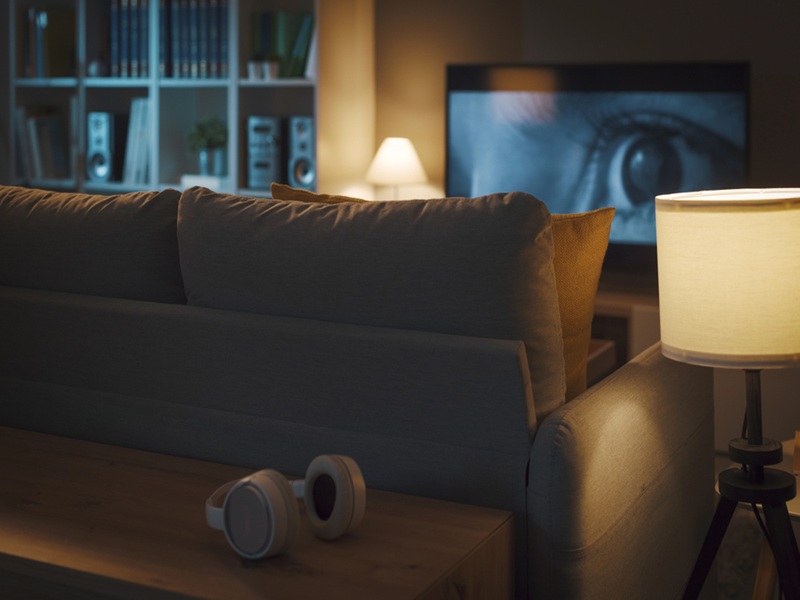
Are your old halogen downlights costing you more than they should?
Lighting plays an important role in making a home comfortable, functional and inviting. Whether you are illuminating a kitchen, brightening a living room or creating a relaxing atmosphere in your bedroom, choosing the right lighting can make a noticeable difference. However, if your home still uses traditional halogen downlights, you could be spending more on electricity than necessary.
Many Australian homeowners are now considering changing halogen to led downlights as a practical way to improve household energy efficiency, reduce ongoing lighting costs and modernise their interiors. LED technology has become increasingly accessible, offering excellent illumination while consuming significantly less electricity than older lighting options.
According to the Australian Government’s Department of Climate Change, Energy, the Environment and Water, LED lights use approximately 75% less energy than halogen light bulbs and can last five to ten times longer. The government also estimates that replacing ten halogen lamps with LEDs could save households more than $2,000 over ten years, including reduced electricity and replacement costs.
These benefits make upgrading your lighting worth considering, particularly if your existing downlights are ageing, frequently require replacement or generate excessive heat.
Whether you are renovating an existing property or simply looking for ways to improve your home’s lighting, understanding the replacement process can help you make better decisions.
1. Understand Why Halogen Downlights Are Being Replaced
Halogen downlights were once a popular choice for Australian homes because they provided bright, focused illumination and were relatively inexpensive to install.
However, their energy consumption and heat production have encouraged homeowners to consider more efficient alternatives.
Halogen lamps produce light by heating a filament inside the globe. This process generates considerable heat, meaning a significant portion of the electricity consumed does not directly contribute to illumination.
LED technology works differently. Light-emitting diodes produce light using semiconductor technology, allowing them to deliver useful illumination while consuming considerably less electricity.
There are several reasons why homeowners are moving towards LED lighting:
- Lower energy consumption: LEDs require significantly less electricity to produce comparable brightness.
- Longer operating life: Quality LED products generally last considerably longer than traditional halogen globes.
- Reduced heat output: LEDs produce substantially less heat than halogen lamps.
- Greater lighting flexibility: Modern LED fittings are available in different brightness levels, colour temperatures and beam angles.
- Reduced maintenance: Longer-lasting lights mean fewer replacements and less maintenance over time.
For homeowners looking to modernise their properties, upgrading older lighting is a straightforward improvement that can deliver benefits for years.
2. Enjoy Lower Electricity Bills
One of the biggest advantages of changing halogen to led downlights is the potential reduction in household electricity consumption.
Although an individual halogen globe may not seem particularly expensive to operate, the combined energy consumption of multiple downlights can become significant.
Consider a home with ten traditional 50-watt halogen downlights. If all ten lights operate simultaneously, they consume approximately 500 watts of electricity per hour.
Replacing them with equivalent 10-watt LED fittings would reduce the combined lighting load to approximately 100 watts.
That represents an 80% reduction in the lighting load, assuming comparable illumination and operating conditions.
The actual savings will depend on several factors, including:
- The number of downlights installed.
- The wattage of existing halogen lamps.
- The power consumption of the replacement LEDs.
- How frequently the lights are used.
- Your electricity tariff.
- Whether existing transformers or dimmers need upgrading.
Homes with frequently used lighting in kitchens, living rooms and hallways may experience particularly worthwhile savings.
It is also worth remembering that reducing electricity consumption can help households manage their overall energy use more effectively.
3. Reduce Excessive Heat Around Your Ceiling
Traditional halogen downlights are known for generating considerable heat during operation.
This is particularly important because recessed lighting is installed within ceiling cavities, where insulation and other building materials may be present.
Older halogen fittings often require specific clearance around the light to prevent excessive heat accumulation. Incorrect installation or insufficient clearance can create potential fire hazards.
Modern LED downlights generally produce much less heat, making them a more suitable option for many contemporary residential lighting applications.
However, this does not mean every LED fitting can automatically be covered by ceiling insulation.
When selecting replacement fittings, consider their insulation-contact classification and the manufacturer’s installation instructions.
For example, appropriately rated IC-4 downlights are designed to allow insulation to be installed directly against or over the fitting, within the conditions specified by the manufacturer.
An electrician can inspect the existing ceiling arrangement and recommend suitable products for your property.
This is particularly important in Australian homes where ceiling insulation is commonly used to improve indoor temperature control.
4. Choose the Right LED Brightness
One common mistake when upgrading lighting is selecting replacement LEDs based only on wattage.
With traditional halogen lighting, homeowners often associate higher wattage with greater brightness. However, LED technology produces more light using considerably less electricity.
Instead of comparing wattage alone, look at the lumen rating.
Lumens measure the amount of visible light produced by a lamp. A higher lumen rating generally indicates greater brightness.
When selecting replacement downlights, consider the following:
- Bedrooms: Choose comfortable lighting that provides sufficient illumination without creating unnecessary glare.
- Living rooms: Consider a balanced lighting arrangement that supports relaxation and everyday activities.
- Kitchens: Select brighter lighting to improve visibility around preparation areas and work surfaces.
- Bathrooms: Choose suitable fittings designed for the intended location and moisture conditions.
- Hallways: Use consistent illumination to improve visibility and create a welcoming atmosphere.
It is also important to consider beam angles. A narrow beam produces more concentrated illumination, while a wider beam distributes light across a larger area.
An electrician can help determine whether your existing lighting arrangement will work with the new LED fittings or whether adjustments would improve the overall result.
5. Select the Right Colour Temperature
Another benefit of modern LED lighting is the range of available colour temperatures.
Colour temperature is measured in Kelvin (K) and describes whether the light appears warm, neutral or cool.
Choosing the right colour temperature can influence the overall atmosphere of your home.
Here are some common options:
Warm white (2700K–3000K)
Warm white lighting produces a softer, more relaxing appearance. It is often suitable for bedrooms, living rooms and dining areas.
Natural or neutral white (3500K–4000K)
Neutral white provides a balanced appearance without looking excessively yellow or blue. It can work well in kitchens, bathrooms and general living spaces.
Cool white (5000K–6500K)
Cool white lighting produces a brighter, cooler appearance. Some homeowners prefer this option for garages, workshops and utility areas.
Before purchasing replacement lights, consider how the new colour temperature will look alongside your existing furniture, flooring and wall finishes.
Maintaining a consistent colour temperature throughout connected spaces can also create a more coordinated appearance.
Some modern LED downlights offer tri-colour functionality, allowing users to select between different colour temperatures using a switch on the fitting.
This provides additional flexibility when deciding how each room should look.
6. Check Whether Your Existing Fittings Are Compatible
Not every halogen downlight can accommodate a direct LED replacement without additional modifications.
Older lighting systems may use different lamp bases, transformers and electrical configurations.
For example, some low-voltage halogen downlights operate using MR16 globes connected to transformers. Others use mains-voltage GU10 fittings.
Although LED alternatives are available for many of these configurations, compatibility should be checked before making a purchase.
Important considerations include:
- Whether the existing fitting uses a GU10 or MR16 lamp.
- Whether the existing transformer is compatible with the replacement LED.
- Whether the LED fitting requires a separate driver.
- Whether the existing dimmer supports LED technology.
- Whether the replacement fitting suits the available ceiling space.
- Whether the existing ceiling cut-out matches the new fitting.
In some situations, replacing only the globe may be suitable. In others, installing a complete LED downlight assembly may provide a better long-term solution.
An electrician can assess the existing arrangement and explain which replacement option is most appropriate.
Avoid assuming that an LED globe will operate correctly simply because it physically fits into the existing halogen fitting.
7. Consider Replacing Your Existing Dimmer Switches
If your home uses dimmer switches, these should be included in your LED upgrade planning.
Traditional halogen dimmers are not necessarily compatible with modern LED fittings.
Using an incompatible dimmer can cause several problems, including:
- Flickering when the lights are switched on.
- Buzzing or humming noises.
- Inconsistent brightness levels.
- Lights failing to dim smoothly.
- Premature failure of lighting components.
Some LED downlights are designed to work with particular dimmer models, while others are not dimmable at all.
Before selecting replacement fittings, check the manufacturer’s compatibility information.
If necessary, a licensed electrician can install suitable LED-compatible dimmers and confirm that the lighting system operates correctly.
It is also worth considering whether you actually need dimming functionality in every room.
For example, dimmers may be particularly useful in bedrooms and living areas, while standard switching may be sufficient for hallways and utility spaces.
Planning these details can help you choose the most appropriate lighting arrangement without paying for features you rarely use.
8. Understand What Happens During the LED Upgrade
For homeowners considering changing halogen to led downlights, understanding the installation process can make the experience much easier.
The exact procedure depends on the existing electrical system, ceiling construction and replacement fittings.
A typical professional upgrade may involve the following stages:
Initial inspection
The electrician checks the existing downlights, identifies the fitting types and assesses the ceiling space.
Product selection
Suitable LED fittings are selected based on brightness, colour temperature, cut-out dimensions, insulation requirements and compatibility.
Removal of existing fittings
The old downlight assemblies and any components requiring replacement are removed safely.
Electrical assessment
The electrician checks the existing electrical connections, transformers, drivers and switching arrangements.
Installation of replacement LEDs
The new fittings are installed according to the manufacturer’s specifications and relevant electrical requirements.
Testing and final checks
The electrician checks the operation of the lights, switching and dimming functions, where applicable.
The result is a modern lighting arrangement that can provide improved efficiency and a more consistent appearance throughout the home.
Importantly, homeowners should not attempt to remove hardwired fittings, alter fixed wiring or replace electrical components themselves. Electrical installation work must be carried out by appropriately licensed professionals.
9. Make Sure Your New Downlights Meet Safety Requirements
Electrical safety should always be a priority when upgrading residential lighting.
While modern LED products offer several advantages, selecting an unsuitable fitting or installing it incorrectly can still create safety issues.
In Australia, electrical installations must comply with applicable electrical safety legislation, the National Construction Code and relevant Australian Standards, including AS/NZS 3000 where applicable.
Some important considerations include:
- Selecting LED fittings suitable for the intended installation environment.
- Checking insulation-contact ratings.
- Ensuring electrical connections are installed correctly.
- Using compatible drivers and dimmer switches.
- Maintaining appropriate clearances where required.
- Ensuring the installation is properly tested.
Homeowners should also consider the quality and reliability of the products being installed.
Look for reputable manufacturers and products with appropriate Australian regulatory compliance documentation.
Cheaper lighting products may appear attractive initially, but poor-quality fittings can lead to inconsistent performance and more frequent replacements.
An experienced electrician can help you select suitable products and ensure that the installation is completed safely.
10. Improve the Overall Appearance of Your Home
Replacing old halogen downlights with modern LED alternatives is not just about reducing electricity consumption.
It can also improve the appearance and functionality of your interior spaces.
Older lighting systems may have inconsistent brightness, ageing fittings or outdated finishes that no longer complement the home’s design.
Modern LED downlights are available in different styles, trims and configurations, making it easier to achieve a coordinated lighting arrangement.
Some popular options include:
- Slimline LED downlights for contemporary interiors.
- Recessed fittings for a clean, minimalist appearance.
- Adjustable downlights for highlighting artwork or architectural features.
- Dimmable LED fittings for flexible lighting levels.
- Tri-colour downlights for adjustable colour temperature.
If you are planning a renovation, replacing your old lighting can be a worthwhile addition to the project.
You may also want to reconsider the positioning of your downlights rather than simply installing new fittings in the existing locations.
A well-planned lighting layout can help eliminate dark areas, improve visibility and make individual rooms more functional.
11. Understand the Long-Term Value of LED Lighting
Although LED downlights may have a higher initial purchase price than some traditional halogen globes, their longer operating life and lower electricity consumption can make them more economical over time.
The Australian Government’s Energy Rating programme highlights the potential financial benefits of upgrading inefficient lighting.
Its estimates indicate that households replacing ten halogen lamps with LEDs could save more than $2,000 and avoid approximately three tonnes of greenhouse gas emissions over ten years.
These estimates are based on specific assumptions about usage, electricity prices, product performance and installation costs. Actual savings will vary between households.
Nevertheless, the figures demonstrate why energy-efficient lighting can be a worthwhile long-term investment.
Additional benefits include:
- Fewer replacement globes to purchase.
- Reduced maintenance requirements.
- Lower electricity consumption.
- Less heat generated by the lighting system.
- More flexibility when designing interior lighting.
For homeowners planning to remain in their properties for several years, these benefits can make an LED upgrade particularly appealing.
12. Work With a Qualified Electrician for Your Upgrade
Although LED downlights are widely available, upgrading an older electrical lighting system involves more than simply purchasing replacement globes.
Existing transformers, dimmers, wiring configurations and ceiling insulation arrangements may all influence which products are suitable.
Working with an experienced electrician helps ensure that these details are properly assessed before installation begins.
When choosing an electrical contractor, consider the following:
Relevant experience: Look for an electrician familiar with residential lighting upgrades and different halogen configurations.
Appropriate licensing: Confirm that the contractor holds the required Queensland electrical contractor licence and that the work is performed by appropriately licensed electrical workers.
Product recommendations: A reliable electrician should be able to explain the differences between available LED fittings and recommend suitable options.
Transparent pricing: Request a quotation that clearly identifies the number of fittings, product specifications and any additional electrical work.
Safety and compliance: Ensure the contractor follows applicable electrical safety requirements and completes the necessary testing and documentation.
Choosing the right professional can help make the upgrade more straightforward while providing confidence that your new lighting system has been installed correctly.
Watch: Replacing Halogen Downlights With LED
Want to see how modern LED downlights compare with traditional halogen lighting?
This Australian Energy Foundation video on replacing halogen downlights with energy-efficient alternatives provides a useful visual introduction to the upgrade.
It explains the benefits of moving towards more efficient lighting and offers additional context about LED alternatives.
For any work involving fixed electrical wiring, fitting replacement assemblies or modifying transformers, always engage a licensed electrician.
Give Your Home a More Energy-Efficient Lighting Upgrade
Upgrading older halogen lighting is a practical way to improve household energy efficiency, reduce maintenance and modernise your home’s interior.
From lower electricity consumption and reduced heat output to longer operating life and greater lighting flexibility, LED technology offers several advantages over traditional halogen downlights.
However, achieving the best results requires choosing suitable fittings, checking existing electrical components and ensuring that the installation meets relevant safety requirements.
If you are considering changing halogen to led downlights, having your existing lighting system assessed by a qualified electrician is a good place to start.
FitElec provides residential and commercial electrical services across the Gold Coast and northern Tweed Coast, helping homeowners with lighting installations, electrical upgrades and other essential electrical requirements.
Whether you want to replace a few ageing downlights or upgrade the lighting throughout your property, professional advice can help you select an appropriate solution for your home.
Ready to make your home brighter and more energy-efficient?
Visit FitElec’s electrical services page to learn more about its electrical services and arrange a quotation for your lighting upgrade.