Here’s How to Tell if a Storm Has Left Your Home With Hidden Damage
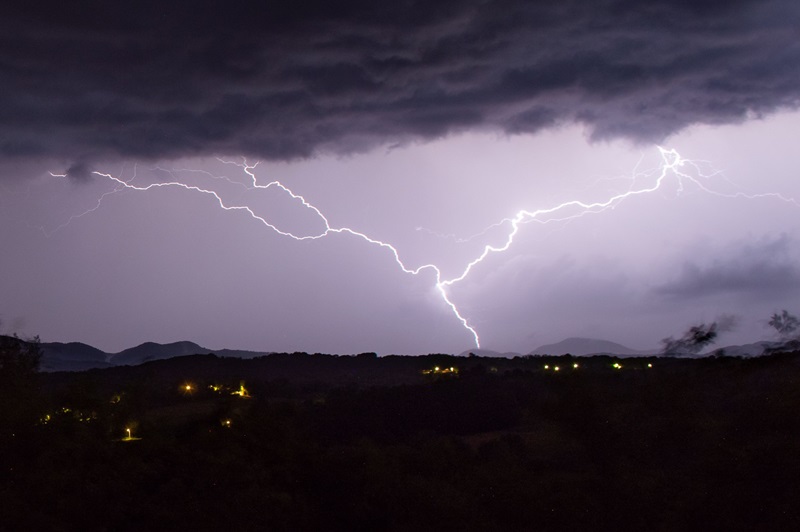
Well, the weirdest part after a storm is how normal everything can look once it’s over. The sky clears, the street dries up, the bins get dragged back from wherever they ended up, and the house seems fine enough from the outside. Maybe there isn’t even any storm debris anywhere in your yard either. So yeah, it’s easy to shrug and move on. But a house can sometimes do that; it can seem fine, it can seem as if no repairs or house upgrades are even needed, and no, sometimes a natural disaster doesn’t cause storm damage as you’d see in Hollywood movies or even some of those crazy (and very terrifying) videos on YouTube.
Your whole roof or wall doesn’t need to be ripped off by the wind; sometimes, it’s extremely subtle, like a tiny drop from the ceiling or a damp smell.
That Little Ceiling Mark is Worth Taking Seriously
Well, if there is any, of course. But yeah, in general here, a tiny stain on the ceiling can feel almost too minor to care about, especially if it’s pale or tucked away in a corner. But water doesn’t need to come pouring through the ceiling to cause trouble. It can creep in slowly, settle into insulation, stain plaster, soften paint, and make the room smell damp before anyone fully realizes what’s going on. Sure, that’s not a scenario you want, but any water in general is something you don’t want!
But it can’t be stressed enough here that after heavy rain or wind, it’s worth looking around skylights, ceiling corners, light fixtures, and upstairs rooms. If paint is bubbling, a patch feels soft, or the room has that stale wet smell, okay, that’s not something to leave for “later” and hope it becomes less irritating on its own.
The Roofline Doesn’t Have to Look Terrible to be a Problem
Which is really scary if you think about it. But no one needs to climb onto the roof after a storm, because, well, yeah, obviously, that’s asking for a whole separate problem. But from the ground, there are still things to notice. But a lifted edge, a missing tile, metal flashing that looks bent, branches sitting in odd places, or a roofline that just looks slightly uneven can all be signs the storm left something behind. It’s terrifying, so you might even need roof restoration in some cases because weather damage just sometimes happens.
What’s Happening to the Gutters?
Gutters are one of those boring house parts nobody wants to think about until they start causing problems. But really, unless your house siding is getting damaged and it’s getting inside of your house, or at least overflowing in this waterfall effect, you really won’t notice. After a rough storm, they can end up packed with leaves, grit, broken bits of tile, twigs, and all kinds of debris that make water go where it absolutely shouldn’t.
However, please keep in mind that even if the gutter itself looks fine from a distance, a blocked downspout can create moisture problems around the foundation, walls, fascia, and roof edge. Like, one clog can be doing way too much.