Preparing an Australian Home for Ageing in Place
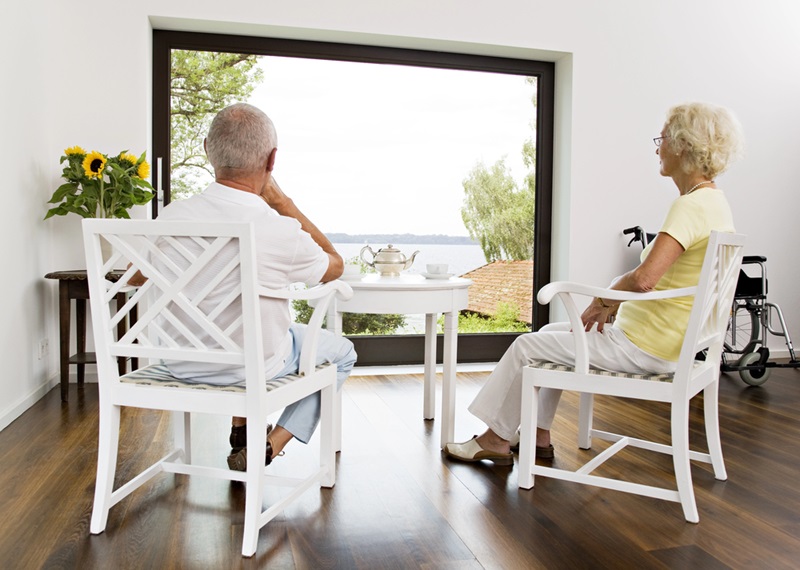
Most older Australians want to stay in their own home as they age, not move into residential aged care. The 2021 Intergenerational Report and successive ABS data both point to the same trend: people are living longer, and the overwhelming preference is to remain at home for as long as it’s practical.
Practical is the operative word. A home that worked fine for a couple in their fifties often becomes hazardous in their seventies and unworkable in their eighties. Preparing a home for ageing in place is partly about safety modifications, partly about infrastructure, and partly about planning for the help that will eventually be needed. The work is cheaper and less disruptive when done early, while the homeowner can still make decisions and live through the renovation comfortably.
This guide covers the six areas that matter most.
1. Start with a Whole-of-Home Access Audit
Before changing anything, walk through the property with fresh eyes – or better, with an occupational therapist who does home assessments. Most OTs will do this through a Home Care Package or privately for a few hundred dollars.
The audit looks at entry points (steps, thresholds, door widths), circulation paths, bathroom layout, kitchen reach zones, lighting levels, and floor surfaces. The goal is not to renovate everything at once. It’s to produce a prioritised list: what’s a safety issue now, what will be in five years, and what can wait.
Common findings in older Australian homes include narrow hallways that won’t fit a walker, hob showers that become trip hazards, and split-level layouts that make a single fall catastrophic. Knowing the full picture before you start prevents the common mistake of renovating the bathroom beautifully and then realising the doorway to it is too narrow for a wheelchair.
2. Electrical Infrastructure and Lighting
This is the area homeowners underestimate most. An ageing-in-place home often ends up running equipment the original wiring wasn’t designed for: a stairlift, a hospital bed with a powered mattress, oxygen concentrators, ducted heating run harder through winter, and eventually monitoring or telehealth equipment. A separate granny flat or studio for a live-in carer adds another layer of demand.
Older Australian homes – anything pre-1990 – often have undersized switchboards, no RCDs on every circuit, and aluminium or undersized cabling that wasn’t rated for today’s loads. A licensed electrician should assess the switchboard capacity, the main supply, and the cabling between the meter and the house.
Where a separate dwelling, workshop, or larger backup-power setup is involved, sparkies will sometimes specify commercial power cables for the sub-mains run rather than residential-grade equivalents. The reasoning is straightforward: longer runs, higher continuous loads, and a longer service life before the cable needs replacing. It costs more up front and saves a re-pull a decade later.
Lighting is the other half of the electrical picture. Older eyes need roughly three times the light levels younger eyes do. Plan for layered lighting (ambient, task, and night-path), motion-sensor lights on the route to the bathroom, and switches at both ends of any hallway or staircase.
3. Bathroom and Wet Area Modifications
Bathrooms cause more falls than any other room. The standard upgrades are well established: a level-entry shower with a linear drain, slip-rated tiles (R10 minimum, R11 for wet zones), a fold-down shower seat, and grab rails fixed into proper noggins rather than tiled-over plasterboard.
Toilet height matters more than people expect. A standard pan sits around 400mm; a comfort-height pan at 460mm is significantly easier to stand up from. Replace it during a renovation rather than retrofitting a raised seat later.
Consider lever taps over knob taps, single-lever mixers over dual-tap setups, and a hand-held shower rose alongside the fixed one. None of these changes look “medical” – they’re just better design.
4. Kitchen Adjustments That Don’t Look Like Adjustments
The kitchen is where independence is won or lost. Someone who can still cook for themselves stays meaningfully autonomous; someone who can’t, doesn’t.
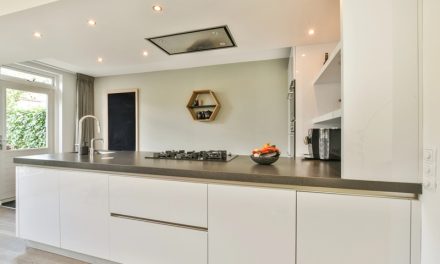
Useful changes include side-opening wall ovens at bench height (no more lifting a hot tray out of a low oven), induction cooktops with auto shut-off, drawers instead of low cupboards, D-shaped handles instead of knobs, and a section of bench at a lower height for seated food prep. A pull-out pantry beats a deep cupboard every time once shoulders and backs start protesting.
None of this looks like an “accessible kitchen”. It just looks like a well-designed one.
5. Planning for In-Home Support Before You Need It
Most families wait too long to organise help. The pattern is familiar: a fall, a hospital stay, a frantic scramble to arrange support during the discharge meeting, and decisions made under pressure that no one is happy with.
Better to understand the system early. In Australia, in-home care services are funded through several pathways: the Commonwealth Home Support Programme for lower-level needs, Home Care Packages (Levels 1–4) for more substantial support, and private services where someone wants to top up or skip the wait list. My Aged Care is the entry point for government-funded options, and the assessment process can take months – which is why starting before help is urgent matters.
Services range from domestic assistance (cleaning, shopping, meal prep) through personal care (showering, dressing) to nursing and allied health. Knowing what level of support is available, and what it costs, lets a family plan rather than react.
6. Bedrooms, Stairs, and the Single-Level Question
If a home has stairs, sooner or later the question becomes: stairlift, ground-floor bedroom conversion, or move? A stairlift is the cheapest at $4,000–$8,000 installed for a straight run, more for a curved staircase. Converting a downstairs room into a bedroom with an ensuite is more expensive but more durable – it future-proofs the home for any mobility level.
In the bedroom itself, leave at least 900mm clear on at least one side of the bed for transfers, plan power points at bed-head height for medical equipment, and avoid deep-pile carpet that catches on walking frames.
Sequencing the Work
The cheapest version of this whole project is the one done gradually, during renovations you’d be doing anyway. Replacing a bathroom in your sixties? Make it level-entry. Rewiring after a renovation? Size the switchboard for what you might need in fifteen years. Replacing flooring? Skip the deep carpet.
Done this way, ageing in place isn’t a single expensive project. It’s a series of sensible decisions that quietly make a home work for the next thirty years instead of the next ten.