How to Repair Outdoor Furniture So the Fix Lasts
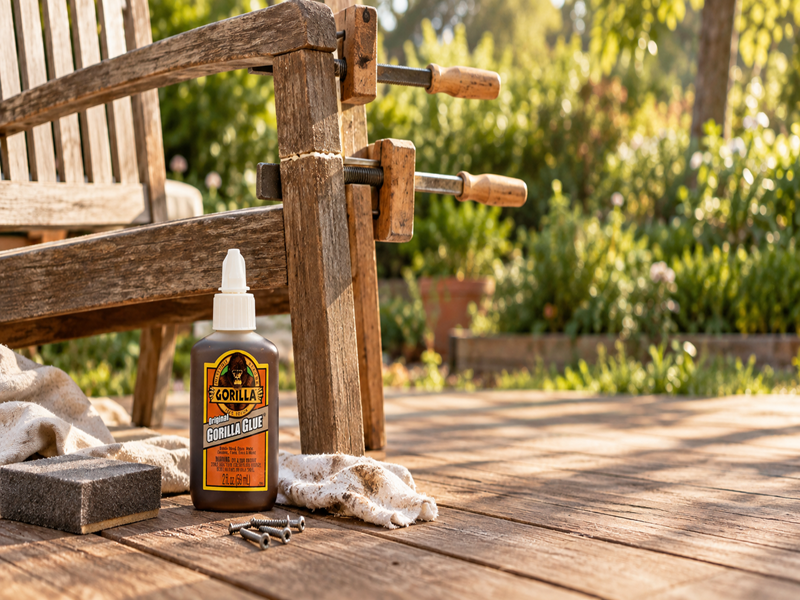
A wobbly garden bench or a dining chair with a split leg is one of those jobs that always seems to wait until the weekend guests are already on their way. The instinct is to reach for whatever glue is sitting in the shed, but timber, wicker and rattan pieces left outdoors go through a different kind of stress than anything indoors ever sees. Sun dries and shrinks the wood, rain swells it back up, and that constant push and pull is exactly what loosens joints in the first place. Fixing it properly means starting with a waterproof outdoor adhesive built to handle furniture repairs rather than whatever household glue happens to be within reach.
Why Ordinary Glue Falls Apart Outside
Most glues sold for general household use are formulated with indoor conditions in mind, and that’s a reasonable assumption most of the time, right up until the piece they’ve been used on gets left on a deck through a humid summer. Moisture creeps into the joint, temperatures swing between a hot afternoon and a cool night, and a bond that seemed fine in the workshop starts to weep or crack within a season. Gorilla Glue Original is a water-activated polyurethane adhesive that cures fully waterproof and is rated for both indoor and outdoor use, which matters more than it sounds like it should when a chair lives on a patio that gets full sun half the year and driving rain the other half. It also tolerates temperature extremes reasonably well, so a joint glued in the height of summer isn’t suddenly at risk the first cold snap that rolls through.
It’s worth knowing upfront that this glue expands as it cures, sometimes three to four times its original volume, and while that can help it work into small voids, the brand itself is clear that it isn’t a true gap filler. So a badly worn joint with visible gaps still needs proper woodworking attention, not just a heavier bead of glue and hope.
Getting the Joint Actually Ready
The repair almost always fails before the glue goes anywhere near the wood, and it fails because the joint wasn’t prepped. Old, cracked adhesive left inside a mortise or along a dowel stops a new bond from ever making proper contact with the timber underneath, so it has to come out first. A small chisel, a stiff wire brush, or even a rolled-up piece of sandpaper works for scraping out what’s left of the failed glue, and it’s worth being patient here rather than rushing to the fun part.
Once the old residue is gone, a light sand of both surfaces gives the new adhesive something to key into. This doesn’t need to be aggressive, just enough to knock back any glazing or grime that’s built up from years outside. Dust it off properly afterwards, because leftover sanding dust sitting in the joint will do the same damage as old glue residue.
Before any adhesive comes out, dry-fit the pieces together. Push the joint back into its final position without glue and check that everything lines up the way it should, that the chair sits flat, that the wicker strand tracks where it’s meant to. This is the moment to catch a problem, not after the glue has started curing. Gorilla Glue Original bonds well to wood, and it also works on stone, metal, ceramic, glass, foam and brick, which is handy for outdoor pieces that mix materials, though it isn’t the right choice for polypropylene or polyethylene plastics or oily rubber components sometimes found in outdoor furniture fittings.
Clamping Properly While It Cures
This is the step that gets skipped most often, usually because the joint looks stable enough by hand. It rarely is. Because this adhesive is water-activated, one surface needs a light misting of water before the glue goes on the other, and then the pieces need to be held firmly together while the reaction happens, since that’s also when the expansion occurs and an unclamped joint can shift or gap as it cures.
Clamp time is one to two hours, and a full cure takes twenty-four hours, so the furniture needs to stay put and unused for that whole stretch, not just the first couple of hours. For an oddly shaped joint on a wicker chair, a length of cord or an old ratchet strap wrapped around the repair works just as well as a proper clamp. What matters is even, steady pressure across the whole joint, not brute force in one spot.
What to Expect From the Fix Long Term
No amount of good prep changes the fact that outdoor furniture keeps living outdoors after the repair is done, still copping sun, still copping rain. A properly glued joint should hold up well under normal weather conditions, but timber will keep expanding and contracting with the seasons regardless of what’s holding it together, and a chair that gets genuinely heavy use will always face more wear than one that mostly sits under a covered veranda. Bringing pieces under cover when a serious storm rolls through, or giving them an occasional wipe-down, does more for longevity than people tend to expect.
Done properly, though, from clearing out the old glue to sanding, dry-fitting and clamping for the full cure time, the repair should genuinely hold. That’s really the whole point of doing it right the first time instead of reaching for a quick fix that only lasts until the next rainy week.