How to Plan the Electrical Setup for Your Backyard Shed
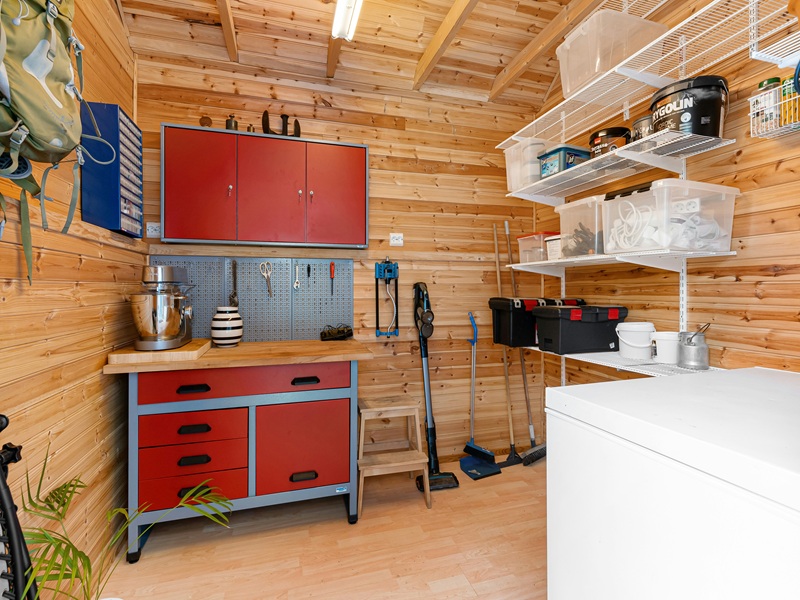
The humble backyard shed has come a long way from just holding the lawnmower and rusty tools. These days, people are turning sheds into all sorts of useful spaces, from productive home offices and creative studios to high-tech workshops and personal retreats. To really make the most of your shed, you need to think about what you’ll use it for, and that purpose almost always needs electricity. Getting the electrical setup right from the start is crucial for creating a space that’s not just functional, but safe too.
Shed Uses and Their Power Demands
When you’re planning your shed’s electrical system, the first thing to do is figure out its main job. A shed for garden tools will need very different power than one set up as a workshop with power-hungry equipment. Thinking about turning a shed into a workshop, an office, or a studio will help you map out exactly what you need. Before planning the installation, how to run power to your shed explains some of the key considerations, including power requirements, intended use, and future electrical needs. A simple setup with just one light and one power point might be fine for basic storage, but most modern uses call for more.
Here are some common ways people use sheds and what they need:
- Home Office: You’ll want plenty of power points for your computer, monitors, printer, and chargers. Excellent lighting is a must, and you might also need a small heater or fan.
- Workshop: This is usually the most demanding. Power saws, drills, sanders, and other tools don’t just need multiple outlets; they need circuits that can handle strong electrical loads.
- Art Studio or Hobby Room: Good lighting is key here, along with power for specific tools like a pottery wheel, sewing machine, or kiln.
- Personal Retreat: Imagine power for a mini-fridge, a sound system, a TV, and comfortable lighting.
Getting power to a garden shed typically involves running suitable cabling from the home’s electrical supply, with the exact installation method depending on the property and electrical requirements. This isn’t a simple weekend DIY project. For anything more than a basic extension cord, it’s essential to talk to professional electricians. They can plan and install the necessary wiring, power points, lighting, and circuits while ensuring the work meets applicable safety and electrical requirements.
Lighting Up Your Workspace
Good lighting can either make your shed usable or completely ruin it. A single, dim bulb in the middle of the ceiling just won’t cut it for any serious work or activity. A well-lit space is safer, more pleasant, and much more productive. Think about lighting in layers:
- Overall Lighting: This is the general light for the whole space. LED battens or track lighting are great choices, giving bright, even light throughout the shed.
- Task Lighting: This is focused light for specific work areas. You might install strip lighting under shelves above a workbench or use a movable lamp over a desk or easel.
- Outside Lighting: Don’t forget the path to your shed. A sensor-activated floodlight adds security and makes it safer to walk to and from the shed after dark.
Modern LED lights are your best bet. They’re incredibly energy-efficient, last for thousands of hours, and produce very little heat, which is a big plus in a small, enclosed space.
Dedicated Circuits for Heavy Tools
If your shed is going to be a workshop, you can’t just plug your table saw into any old power point. High-draw tools like saws, air compressors, welders, or large dust extraction systems pull a lot of power when they start up. Plugging them into a standard circuit that also runs your lights and other outlets is a recipe for constantly tripped circuit breakers.
To handle these loads safely, you’ll need one or more dedicated circuits run straight from a sub-panel in your shed. These circuits are designed for heavier electrical loads and are often wired for a specific piece of equipment. This separates heavy equipment from other shed loads and can reduce the likelihood of overloading a circuit, while allowing the electrical system to be designed around the equipment’s requirements.
Comfort and Climate Control
An uninsulated tin shed can feel like an oven in summer and a freezer in winter, making it an unpleasant place to spend much time. To turn your shed into a true year-round retreat, you need to think about climate control. A small reverse-cycle air conditioner is an excellent solution for both heating and cooling, but it will need its own dedicated circuit because of how much power it uses.
For simpler options, a ceiling fan can make a huge difference on a hot afternoon, while a wall-mounted panel heater can take the chill off on a cold morning. Good ventilation is also key, especially in a workshop that creates dust or a studio using paints and solvents. An exhaust fan will help keep the air clean and control humidity, preventing mould and mildew. Each of these additions will need to be part of your overall electrical plan.
Smart Shed Technology Integration
Why should your house have all the fun? Adding smart technology can turn your shed from a simple outbuilding into a connected and convenient extension of your home. A good Wi-Fi signal is the foundation, so you might need a mesh network extender to ensure a strong connection.
Once you’re connected, the possibilities are endless:
- Smart Plugs: Control lamps, fans, or even a radio with your voice or phone.
- Smart Lighting: Change the colour and brightness of your lights to match your mood or task, and set schedules so you never have to walk into a dark shed again.
- Security: A smart camera can keep an eye on your valuable tools and equipment, sending alerts to your phone if it detects motion.
- Voice Assistants: Put a smart speaker in the shed to play music, set timers, or add items to your shopping list without stopping what you’re doing.
Planning for these smart features during the initial electrical fit-out makes integration much simpler and tidier.
By properly planning your shed’s electrical system based on what you intend to use it for, you can create a safe, functional, and comfortable space that truly adds value to your home and lifestyle.