How to Bring Personality Into a New-Build Home Without Compromising Functionality
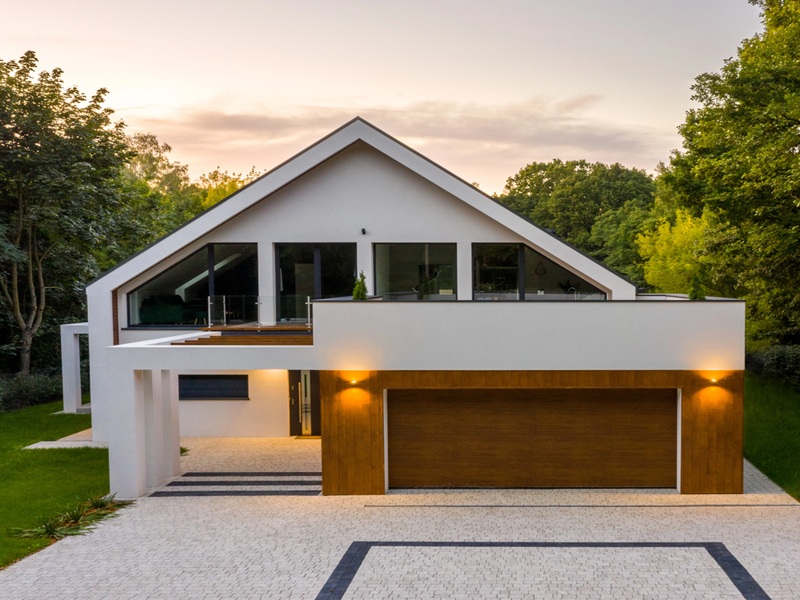
New-build homes have a particular quality that is both their strength and their limitation. Everything works properly. The fixtures are current, the insulation is up to standard, the layout has been considered by people who have built a lot of homes. But they also tend to arrive looking like every other new-build on the street: neutral, inoffensive, and stripped of any sense that a specific person lives there. The challenge is adding character without undoing the things that make the home functional, and without creating a renovation burden before you have even fully moved in.
The good news is that bringing personality into a new-build is almost never a structural project. It is a layering project, and understanding what to layer first makes the whole process feel much more manageable.
Starting With What You Chose
The personality of a new-build actually begins earlier than most owners realise. The selection decisions made during the construction process, the cabinetry finish, the floor tone, the tapware style, the inclusions you customised or upgraded, all of these set a tonal baseline that the rest of the interior needs to work with rather than fight against.
Builders like GJ Gardner homes give owners a meaningful range of selection options precisely because these decisions shape the character of the finished home so significantly. A warm timber floor, for instance, completely changes the register of a neutral wall palette compared with a cooler grey tile. Chrome tapware and matte black tapware in identical bathrooms produce a different feeling despite the layout being identical. If you are still in the selection phase of a build, the choices that will do the most work for personality are the ones that reflect a consistent tonal direction rather than a collection of individually nice finishes that do not quite speak the same language.
If the build is done and those decisions are locked in, they are still your starting point. The personality that gets layered on top should work with the tonal baseline rather than against it.
The Layering Logic
One of the most common mistakes owners make in new homes is adding decoration before the space is truly lived in. Understanding how natural light moves through the rooms across different times of day, how the traffic flows, and which spaces feel too large or too intimate at different points of the day takes a few months of actual living. Rushing that process produces interiors that are decorated rather than considered.
What you can do immediately is address the things that a new-build consistently lacks: warmth, texture, and the visual layering that stops a room from looking like a display home. These are not structural changes. They are surface and object changes that are fully reversible and do not require approval from anyone.
The hierarchy tends to work like this:
- Soft furnishings first: cushions, throws, and bedding in a palette that connects to but enriches the base tones of the space
- Lighting second: builders’ standard lighting is almost always inadequate for atmosphere, and adding floor lamps, table lamps, and pendants makes more difference than most people expect
- Rugs third: the most impactful single object in most rooms for grounding a space and adding warmth
- Art and objects last: these are the most personal layer and benefit from being added once the space is already feeling like a home
The Rug Question Deserves Serious Attention
A rug does more work in a new-build than almost any other element because it addresses the most common new-build deficiency: hard floors in every room without anything to define or warm the space. An open-plan living and dining area in a new-build with tiled or hardwood floors and no rugs consistently reads as unfinished, regardless of how much furniture is in it. The rug is what creates zones within the open plan and gives each area a sense of contained intention.
When you shop rugs online through Miss Amara, the selection range covers everything from the neutral and textured pieces that anchor a space quietly to the more characterful options that become a genuine focal point. The sizing question is worth getting right: a rug that is too small for the furniture grouping reads as an afterthought, while one that is appropriately generous anchors the whole arrangement and makes the room feel more deliberate. For most living rooms, the front legs of the sofa and chairs sitting on the rug is the standard approach, but a fully under-furniture rug works equally well in the right space.
As explored in the guide to interior design for new Australian homes, the combination of soft textiles, layered bedding, and warm rugs consistently transforms new-build spaces from functional to genuinely inviting. Texture is what does most of that work, and it is also the element most absent from an unoccupied new-build.
Outdoor Personality: The Forgotten Layer
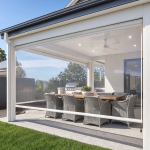
The outdoor areas of new-builds receive even less personality treatment than the interiors, typically ending up with builder-standard paving and nothing else for the first year or two. The outdoor space is where Australian households actually spend significant time, and investing some of the personality budget here produces real daily-life return.
Raised garden beds, outdoor lighting, a defined area for entertaining with outdoor furniture that matches the interior tone, and some considered planting that establishes structure quickly are all investments that compound over time. The approach to personalising an outdoor structure is well captured in the discussion of shed styling for comfort: the principles of defined purpose, appropriate furnishing, and personalised decoration apply whether the space is a shed, a covered alfresco, or an entire backyard.
Patience and Iteration
The most characterful homes are rarely finished. They accumulate personality across years of living: objects brought back from travel, art that arrived at the right moment, furniture pieces replaced as taste evolves. The new-build that feels distinctly personal after five years of occupation was not necessarily planned that way from the start. It got there through a process of considered addition, selective editing, and the confidence to keep investing in what genuinely matters to the people who live there.
Getting the foundational layers right early, the rug, the lighting, the soft furnishings, the palette coherence, creates the stable base from which all of that accumulation makes sense. The character fills in around it, gradually and specifically, in a way that no decorator could plan in advance but that every good home eventually arrives at.