The Shed Electrical Upgrade Checklist: Power, Lighting, Safety and Future-Proofing
When you flip the switch on your new LED lamp, it takes a second before lighting up and doesn’t seem as bright as expected. Your current electrical system (in terms of wiring) is likely going through an extension cord that wasn’t originally designed for its current use. Do these scenarios sound like your situation? It is time to give your shed’s electrical systems a serious review.
First, define what you currently use your shed for. There is a difference between a shed used primarily to store the lawn mower and some cans of paint, and a shed that serves as your workshop, gym, etc. The electrical components needed to support each of these different uses are vastly different. Identify all items that you currently have plugged in, as well as those you may want to plug in within the next five years. Once you have completed this step, you will know what to expect when reviewing your electrical options.
Plan For All The Power Points You Will Need Before Purchasing Them
Do not guess how many power outlets you need. Double your number of tools, as you will need additional outlets for your bench area, charging stations, a potential refrigerator, possible welding equipment or other high-wattage devices. Instead of having all your power outlets concentrated in a single location, distribute them throughout the perimeter of your shed. At least one circuit should be reserved exclusively for heavy-duty loads such as compressors and table saws. Operating multiple power-hungry tools simultaneously using the same circuit is often why breakers trip in the first place.
Your Switchboard Determines How Much Electrical Capacity Exists In Your Shed
Typically, the root cause of most problems encountered in sheds relates directly to either an outdated or insufficiently sized switchboard attempting to perform too many functions. If your existing switchboard still features ceramic fuses or lacks sufficient available capacity to accommodate an additional circuit, then this is the place to begin. Your licensed electrician will be able to determine immediately whether your existing service size can adequately provide an upgrade, or if a separate dedicated circuit will need to be installed from the main house.
There Is More Than One Type Of Lighting Needed In Your Shed
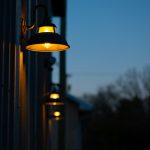
While a single centre-mounted light fixture provides adequate ambient illumination, it does not effectively illuminate a workbench. Consider pairing overhead lighting with task lighting positioned above the workbenches and machine areas. Additionally, install a motion sensor light adjacent to the entry and exit point so that you may safely exit while carrying both hands full of tools. While initial costs associated with LED lighting fixtures are typically higher than incandescent options, they produce less heat and are significantly longer lasting in environments that become extremely warm during the summer months.
Outdoor Electric Circuits Require Safety Devices
Regardless of the type of electrical component fed by any circuit supplying a shed, it must be protected by a GFCI device (ground fault circuit interrupter). Metal tools, damp flooring surfaces, and exposure to moisture are exactly the types of hazards GFCIs were created to prevent. Regular testing (every three months) of your safety switches is recommended. However, if you have never tested your GFCIs previously, assume that it would be prudent to test them now, before experiencing a potentially hazardous failure.
Future-Proof Your Electrical System
Incorporating solar panels, installing an EV charger, or adding a secondary electrical circuit are examples of upgrades you may choose to implement in the future. Each of these upgrades can increase costs and create unnecessary challenges when implemented without allowing for adequate “headroom” on your electrical panel. Adding a small amount of excess capacity now will save you the trouble of needing to completely replace your electrical system in the future.
By addressing the fundamental issues related to electrical power distribution in your shed, you can turn a structure where things frequently almost go wrong into one that simply works.