Home Extension Costs Explained for Homeowners
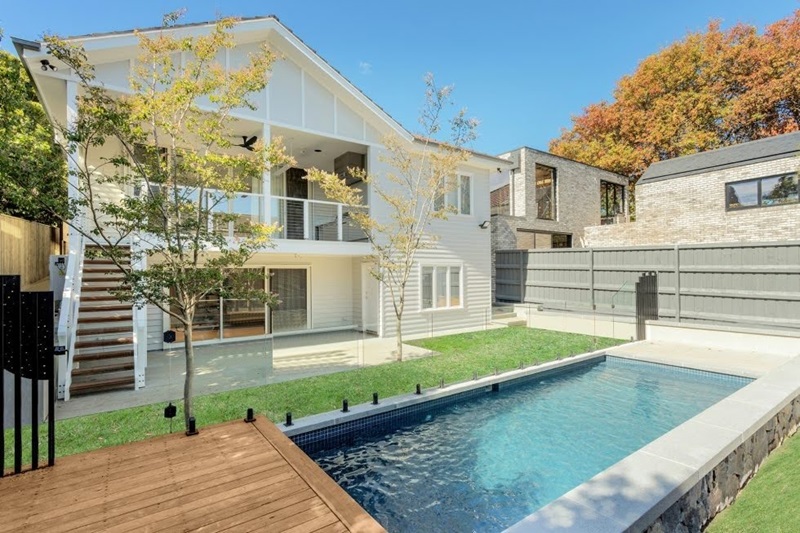
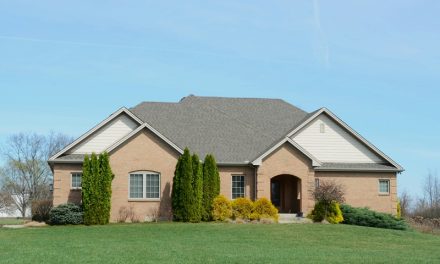
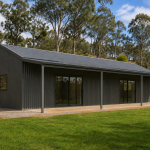
Rear house extension with an outdoor living area, and connected upper-level space.
Source: RFT Solutions home extension Melbourne
Home extension projects sit between $2,000 and $6,000 per square metre, depending on the type of extension, site access, structure, and service upgrades. A single storey rear extension may sit in the lower to mid range, while second storey, heritage, Victorian terrace, and California bungalow extensions can cost more due to extra structural planning and detailed building work.
Most homeowners want a clear number before they commit to drawings, approvals, and builder conversations. A proper budget helps you work out if the project fits your plans before money is spent on design work.
This guide breaks down the main cost areas so homeowners can plan with clearer numbers before speaking with a builder.
Early Budget Ranges for Home Extensions
Before looking at each extension type, it helps to understand the broad price ranges builders use during early budget planning. For many residential extension projects, these ranges give a useful starting point.
|
Cost Level |
Rate per m² |
|
Basic |
$2,000 – $2,800 |
|
Mid-range |
$2,800 – $3,800 |
|
Higher-end |
$3,800 – $5,000+ |
|
Detailed heritage and upper-level work |
$4,000 – $6,000+ |
A builder can give a more accurate price once the drawings, engineering, site access, materials, inclusions, and service upgrades are clear. Below are the extension types homeowners are most likely to compare during early planning.
Single Storey Rear Extensions
Cost range: $2,200 – $4,000 per m²
Commonly used to create a larger kitchen, dining area, family room, laundry, or open living space connected to the backyard. A standard rear extension can sit closer to the lower cost range, while a large open-plan layout can move higher.
Cost items can include:
- Demolition of old rear rooms
- Ground preparation and excavation
- New slab, stumps, and footing work
- Removal of rear external walls
- Structural steel beams
- Roof framing and roof tie-in
- New gutters and downpipes
Rear extensions can change water flow around the property, so stormwater, ground levels, and outdoor thresholds need proper planning before construction starts.
Second Storey Extensions
Cost range: $2,500 – $4,500 per m²
Suit homeowners who need more space but want to keep their backyard, driveway, and outdoor areas. Some second storey extensions can move above $5,000 per m² when the existing structure needs major reinforcement. Cost items can include:
- Foundation checks
- Existing roof removal
- New upper-level framing
- Staircase construction
- Sound control between levels
- Bathroom plumbing where an upstairs bathroom is included
The staircase position may take space from a hallway or storage area. If the stair opening needs major floor framing changes, it can add labour, materials, and finishing costs to the project.
Outdoor Room Extensions
Cost range: $1,500 – $4,000 per m²
- Includes alfresco area, enclosed patio, sunroom, garden room, and outdoor living zone. A basic covered outdoor area may sit near the lower range, while an enclosed outdoor room can sit near the higher range. Cost items can include:
- Decking, slab, and footing work
- Posts, beams, and framing
- Roofing, gutters, and downpipes
- Screens, sliding doors, and glass panels
- Outdoor lighting and power points
- Fans, heaters, and weather protection
A simple covered area works for shade and shelter, while a room used in different weather conditions needs stronger detailing and higher build allowance.
Heritage and Period Home Extensions
Cost range: $3,500 – $6,000+ per m²
The cost is higher due to design and documentation that needs more detail. Builders need to protect original materials and follow approval conditions. Cost items can include:
- Detailed measured drawings
- Heritage design input
- Planning permit documentation
- Careful demolition and protection works
- Restoration of existing details
- Specialist trades for period features
Projects like this require more coordination between trades and approval stages, which increases labour hours and total build cost.
Victorian Terrace Extensions
Cost range: $4,000 – $6,500+ per m²
Material delivery, waste removal, scaffolding, and neighbour protection can all add time and labour. Costs can rise when older walls, shared boundaries, and narrow rear access affect how the work is staged. Cost items can include:
- Demolition of rear additions
- Structural support to old brick walls
- Steel beam installation
- Roof and box gutter detailing
- Custom glazing and door openings
- Internal reconfiguration
The builder needs to plan the work sequence carefully, as site space limits material storage and restricts movement for trades during construction.
California Bungalow Extensions
Cost range: $3,200 – $5,800+ per m²
Cost depends on how much of the original home is kept, how the new roof connects to the old roof, and how much structural work is needed at the rear. Many California bungalow extensions focus on keeping the original front rooms, then adding a larger living area at the back. Cost items can include:
- Protection of the original facade and front rooms
- Roofline matching and roof tie-in
- Brickwork, cladding, and timber detail matching
- Custom windows and doors
- Insulation and energy upgrades
Many older bungalows have ageing plumbing, wiring, drainage, and subfloor conditions that may need work during an extension.
Design, Engineering, and Approval Costs to Consider
Construction is only one part of the total project cost. Homeowners should also consider professional fees and approval-related costs for larger extension projects.
| Consultant / Service | Cost Range |
| Architect / Building Designer | $16,000 – $75,000 |
| Structural Engineer | $3,600 – $4,100 |
| Land Surveyor | $2,750 – $4,400 |
| Geotechnical Engineer (Soil Report) | $440 – $770 |
| Building Surveyor / Certifier | $4,500 – $5,300 |
Not every project needs every consultant, so homeowners should confirm early which reports, drawings, and approvals apply to their project. This prevents design costs and approval fees from being left out of the early budget.
How to Plan a More Accurate Extension Budget
Builders can give early estimates, but accurate pricing needs site details, as costs can change once structural, ground, service, and access conditions are confirmed. Useful steps include:
- Choose the extension type
- Measure the target floor area
- List the rooms and spaces being added
- Separate structural costs from finish selections
- Decide on basic, mid-range, and higher-end finishes
- Check if plumbing, electrical, drainage, and roofing need upgrades
- Allow a 10-15% budget buffer for site findings
- Ask builders to price from the same scope
- Review exclusions before comparing quotes
- Finalise the design before signing a building contract
A proper specification helps the builder understand what to include and who supplies each item. The more complete the scope is, the easier it is for builders to price the work properly.
Preparing for the Next Stage of Your Build
The best starting point is a clear scope, realistic cost range, and enough allowance for site findings before signing any contract or committing to construction. The focus should be on aligning the details so the builder, homeowner, and project team are working from the same expectations. Before moving forward, homeowners should confirm the scope, check what is included in the quote, and make sure the budget reflects both construction work and site-related costs.