How to Choose the Right Type of Home Extension for Your Property
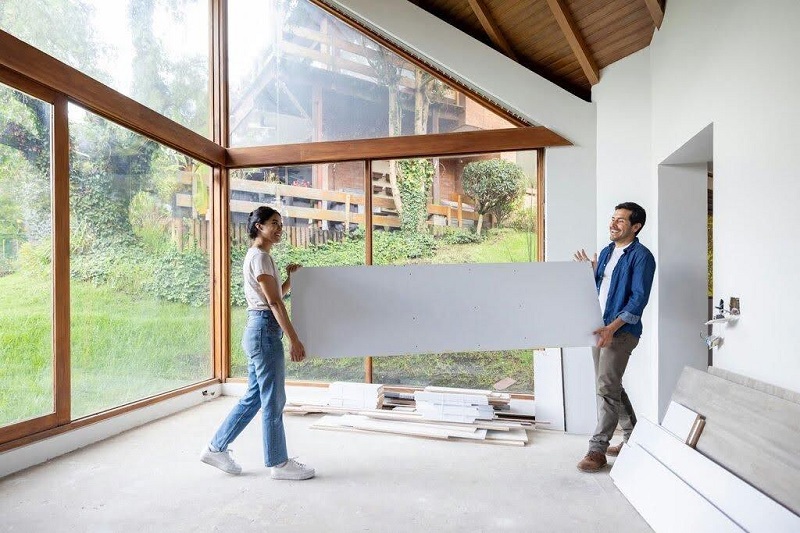
Expanding your home can dramatically improve your living space, enhance functionality, and even increase property value. However, choosing the right type of home extension is crucial to achieving a design that meets your needs while blending seamlessly with your existing property. From single-story additions to conservatories, each type of extension has its advantages, considerations, and costs.
One of the premier home extension specialists in Melbourne spoke to us about how to make an informed choice by comparing single-story, double-story, wrap-around, and conservatory extensions.
Understanding Your Needs
Before exploring extension types, start by defining your goals. Ask yourself:
- Are you adding bedrooms, expanding your kitchen, or creating a multi-functional living space?
- Do you want a subtle change, or a bold architectural statement?
- How much natural light and outdoor visibility do you desire?
- What is your budget and timeline?
Your answers will guide the type of extension best suited to your property.
Single-Story Extensions
Overview
Single-story extensions are built on the ground floor, either at the rear or side of your property. They are among the most popular choices due to their simplicity and affordability.
Benefits
- Cost-Effective – Typically cheaper than double-story extensions as they require less structural reinforcement.
- Ease of Access – Ideal for families with elderly members or mobility challenges.
- Flexible Design – Can accommodate kitchens, living areas, or utility rooms.
Considerations
- Space Limitations – Single-story extensions may not significantly increase living space if your plot is small.
- Roof Integration – The extension roof must complement the existing structure to maintain visual harmony.
- Outdoor Impact – Large extensions can reduce garden space, so planning is essential.
Best For: Homeowners looking for cost-effective ground-floor expansion without altering the overall building height.
Double-Story Extensions
Overview
Double-story extensions add both ground and first-floor space. They are ideal for growing families who need additional bedrooms or bathrooms.
Benefits
- Maximised Space – Provides significant extra living areas without expanding the footprint excessively.
- Increased Property Value – Extra bedrooms and bathrooms boost resale potential.
- Design Versatility – Can complement modern or traditional homes with creative architectural solutions.
Considerations
- Higher Costs – Double-story extensions require structural support, planning permissions, and more materials.
- Disruption – Construction is more complex and can temporarily disrupt daily life.
- Planning Restrictions – Local regulations may limit the height or style of extensions.
Best For: Families needing extra bedrooms or multi-level living space, especially when garden space is limited.
Wrap-Around Extensions
Overview
Wrap-around extensions extend around one or more sides of the home, creating a combination of side and rear expansions. This type is ideal for L-shaped or corner plots.
Benefits
- Large Open-Plan Areas – Perfect for creating expansive kitchens, dining, and living spaces.
- Enhanced Flow – Improves connectivity between indoor spaces and gardens.
- Architectural Impact – Can dramatically change the appearance of your home.
Considerations
- Complex Design – Requires careful planning to ensure the extension flows with existing rooms.
- Costly – Larger footprint and complex construction make this type more expensive.
- Planning Permissions – May require approvals depending on how much it extends past boundaries.
Best For: Homeowners with corner plots or larger gardens who want a spacious, modern open-plan layout.
Conservatory Extensions
Overview
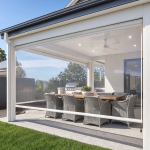
Conservatories are glass-sided structures, often used as sunrooms or garden rooms. They provide light-filled spaces that connect indoors with outdoors.
Benefits
- Natural Light – Large glass panels maximise sunlight, creating bright, inviting spaces.
- Quick Construction – Conservatories are generally faster to build than full brick extensions.
- Aesthetic Appeal – Can complement both traditional and modern homes with a variety of designs.
Considerations
- Temperature Control – Glass structures can overheat in summer and lose heat in winter, requiring climate solutions.
- Privacy – Extensive glazing may reduce privacy unless addressed with blinds or screens.
- Resale Value – While beautiful, some buyers may prefer a fully brick-built extension for durability.
Best For: Homeowners wanting a light-filled lounge, dining area, or indoor garden space with strong outdoor views.
Key Factors in Choosing the Right Extension
- Budget – Single-story and conservatories are generally more affordable, while double-story and wrap-around extensions require larger investments.
- Plot Size and Shape – Your available space will influence which extension is feasible. Wrap-around extensions need larger or corner plots, while single-story extensions work well in smaller gardens.
- Lifestyle Needs – Consider how your family uses the space. For example, double-story extensions suit families needing extra bedrooms, while conservatories are ideal for relaxation and entertaining.
- Planning Permission – Check local regulations. Some extensions require detailed planning approval, especially double-story and large wrap-around designs.
- Architectural Harmony – The extension should complement your home’s style. Materials, rooflines, and window styles should create a cohesive look.
Conclusion
Choosing the right type of home extension is a balance between practicality, aesthetics, and budget.
- Single-story extensions are affordable and practical for ground-floor expansion.
- Double-story extensions maximise living space vertically and boost property value.
- Wrap-around extensions create large, modern open-plan areas with significant architectural impact.
- Conservatories offer light-filled, stylish spaces connecting your home to the outdoors.
By carefully considering your plot size, lifestyle needs, and long-term goals, you can select the extension type that transforms your property while enhancing both function and style. Consulting with an architect or experienced builder early in the process can help ensure a seamless design that adds value and enjoyment for years to come.