Why Professional Building Inspections Catch What Homeowners Miss
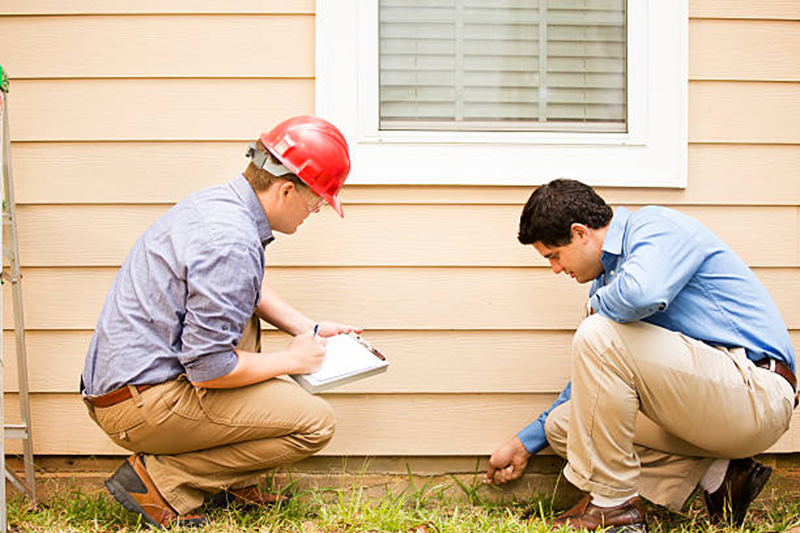
Have you ever walked through a property you love, felt completely at ease, and assumed everything must be in fine condition?
Most people do. A well-presented home can look solid and inviting while quietly holding details that only a trained eye would notice.
A professional building inspector brings a level of knowledge, specialist equipment, and a structured process that transforms a casual walk-through into a thorough and genuinely reliable assessment.
The Training Behind a Professional Eye
Professional inspectors spend years learning how Australian buildings are put together, how they age, and how local climate conditions affect different materials and construction methods. That depth of knowledge changes everything about how they approach a property, from the very first step inside to the final check of the subfloor.
Formal Qualifications and Licensing
Inspectors in Australia complete structured training and hold licences that require them to stay current with building codes and standards. They are not simply walking through a home with a basic checklist; they are applying a framework of knowledge built across hundreds of real inspections and hands-on construction experience.
Specialist Tools Most Homeowners Do Not Carry
A professional arrives with moisture metres, thermal imaging capabilities, and structural assessment methods that the average homeowner simply does not have access to. These tools reveal conditions behind walls, under floors, and above ceilings that remain completely invisible during a normal walk-through visit.
What Inspectors Find That Most People Miss
When a homeowner walks through a property, attention naturally goes to the kitchen finishes, the size of the rooms, and the freshness of the paint. An inspector’s attention goes somewhere else entirely, and that difference is where real value lives.
Structural and Material Details
Inspectors focus on load-bearing elements, foundation movement, roof framing, subfloor conditions, and the state of wet area waterproofing. These are the areas where small details, if left unaddressed, can develop into larger maintenance tasks over time. A thorough building report captures all of these findings in plain language so the owner or buyer understands exactly what they are looking at.
Hidden Moisture and Ventilation Issues
Moisture is one of the most consistent findings in Australian properties, particularly in older homes and those in coastal or high-rainfall areas. Inspectors check subfloor ventilation, bathroom seals, roof drainage pathways, and wall cavities for signs of moisture that a casual inspection would never reveal. Catching these early helps owners plan maintenance in a calm, unhurried way.
How a Professional Report Shapes Smarter Decisions
Receiving a clear written assessment from a qualified inspector gives you something genuinely useful: an accurate, documented picture of the property you own or are considering. That picture supports better decisions in several practical ways.
Forward-Looking Maintenance Planning
The report works as a maintenance roadmap. It identifies which areas are in strong condition, which need attention in the near term, and which can simply be monitored over time. That kind of structured clarity helps owners allocate budgets with confidence rather than reacting to surprises.
Stronger Conversations During Negotiations
For buyers, a professional inspection completed before settlement creates an opportunity for calm, evidence-based conversations with the vendor. Rather than guessing at what a property might need, the buyer has specific, well-documented information to work from, which keeps the process smooth and informed.
Why the Difference Matters
The gap between what a homeowner notices and what a professional inspector finds comes down to three clear things: training, tools, and a systematic process. A homeowner sees what is visible and easily accessible.
An inspector works through a methodical sequence covering every major system and structural element of the building, from the roof space to the subfloor, from the exterior cladding to the internal wet areas, approaching each one with the same careful attention.
That structured approach is what makes professional inspections valuable not only for buyers, but for current owners planning a renovation, preparing for insurance reviews, or simply wanting an accurate picture of their property’s condition.
Final Thoughts
A professional building inspection gives you clarity, confidence, and a reliable foundation for smart decisions about one of your most significant assets. The investment in a qualified inspector pays back many times over through better planning, genuine peace of mind, and a thorough understanding of what you own.