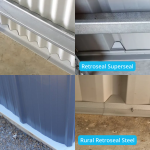
The Biggest Mistakes People Make When Sealing a Steel Shed
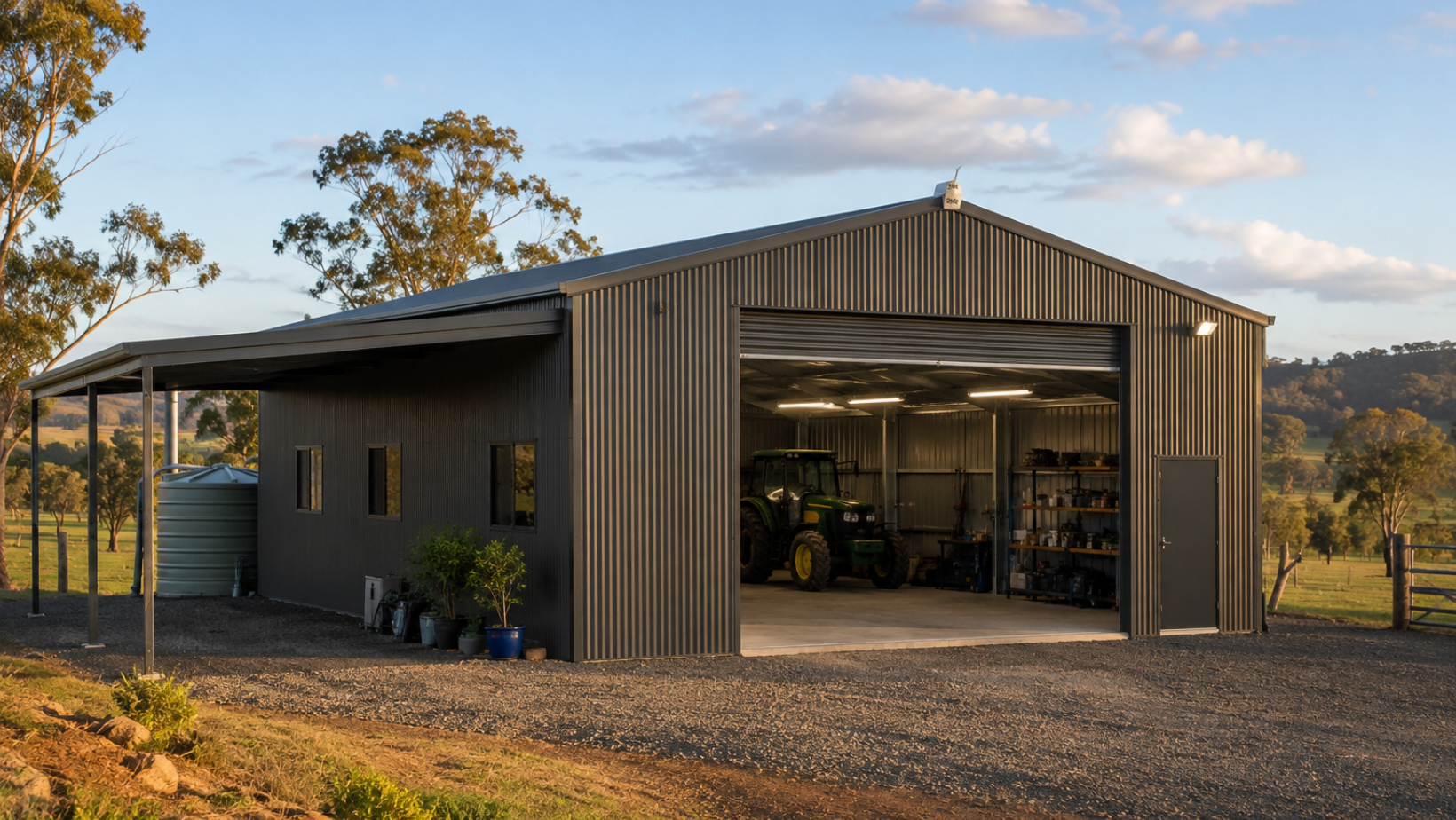
When it comes to steel sheds, sealing the building properly is one of the most important steps—but it’s also one of the areas where people make the most mistakes.
A shed might look fully enclosed from the outside, but small gaps around wall sheets, ridge caps, roller doors, and roof profiles can quickly become entry points for vermin, dust, leaves, wind-driven rain, and even bushfire embers.
Unfortunately, many shed owners try quick fixes that either don’t last or simply don’t work properly.
Whether you’re building a new shed or upgrading an older one, here are some of the biggest mistakes people make when sealing a steel shed—and how to avoid them.
Why Proper Shed Sealing Matters
Even small gaps in a steel shed can create bigger problems over time.
Poorly sealed sheds often experience:
- Mice and rats entering wall cavities
- Birds nesting in roof spaces
- Dust build-up inside the shed
- Water ingress during storms
- Increased condensation and debris
- Ember entry in bushfire-prone areas
Proper vermin proofing and sealing helps protect:
- Tools and machinery
- Stored goods
- Insulation systems
- The overall lifespan of the shed
A properly sealed shed is cleaner, safer, and easier to maintain long-term.
1. Using Expanding Foam as a Permanent Fix
One of the most common mistakes is relying on expanding foam to seal shed gaps.
While foam might seem like a quick and easy solution, it’s often not suitable for steel shed applications—especially around corrugated profiles and external gaps.
Common problems with foam include:
- Breaking down over time
- Cracking or shrinking in weather exposure
- Looking untidy
- Trapping moisture
- Not matching the roof or wall profile correctly
Foam also doesn’t provide a clean, professional finish and can make future maintenance more difficult.
Better Solution:
Use profile-matched shed sealing products designed specifically for steel cladding profiles.
Products like:
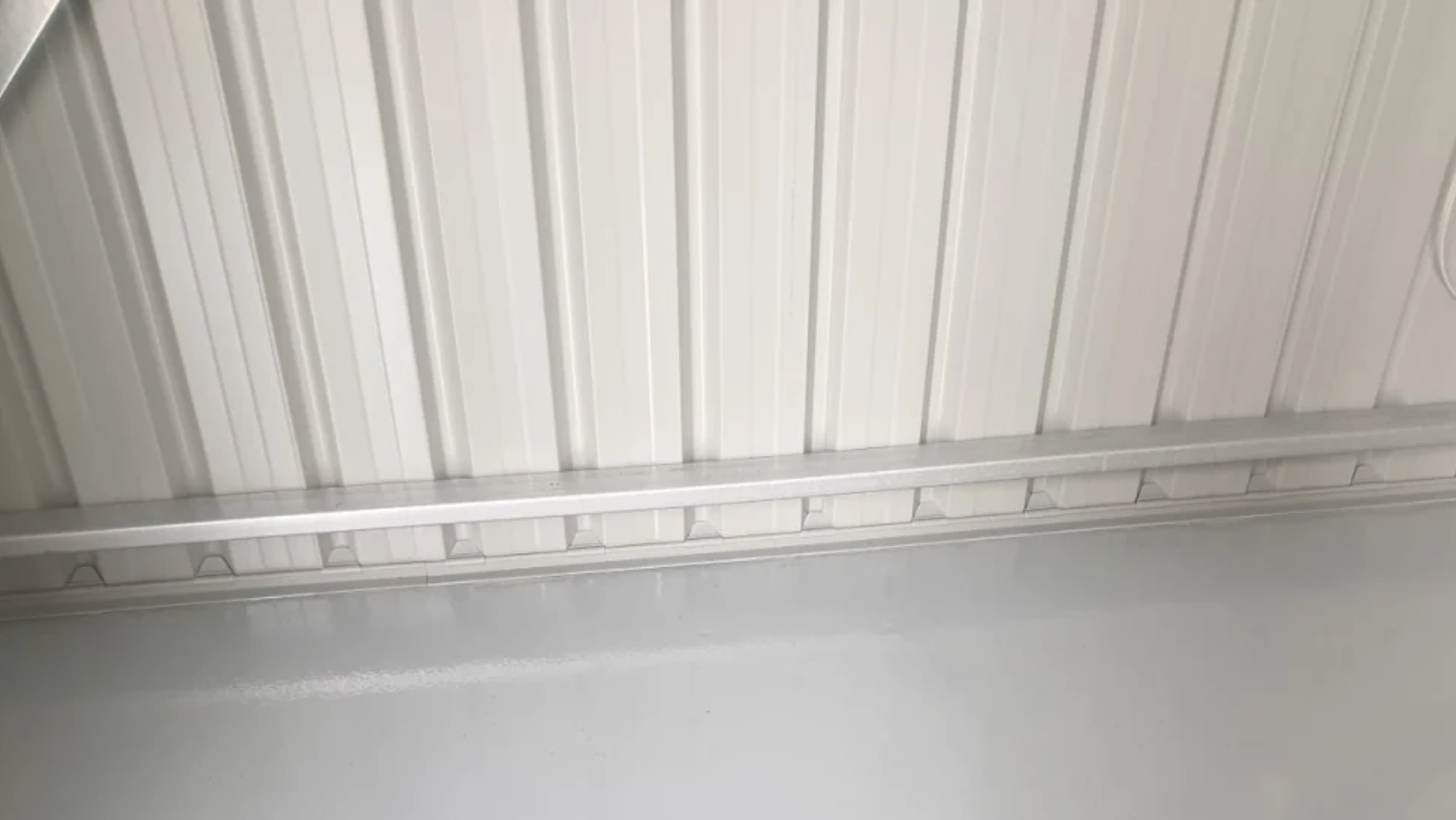
are designed to properly match common steel shed profiles and provide a longer-lasting seal.
2. Missing the Ridge Cap Gaps
Another major mistake is focusing only on the walls and forgetting about the roof ridge.
The ridge cap is one of the biggest entry points for:
- Birds
- Rodents
- Dust
- Wind-driven rain
- Bushfire embers
Because the ridge sits at the highest point of the shed, it’s often exposed to strong airflow and weather conditions.
Without proper ridge sealing, debris and vermin can easily enter the roof cavity.
Common Signs of Unsealed Ridge Caps:
- Bird nesting in the roof
- Dust collecting near the ridge line
- Light visible through ridge gaps
- Water blowing in during storms
Better Solution:
Install a proper ridge sealing system such as:
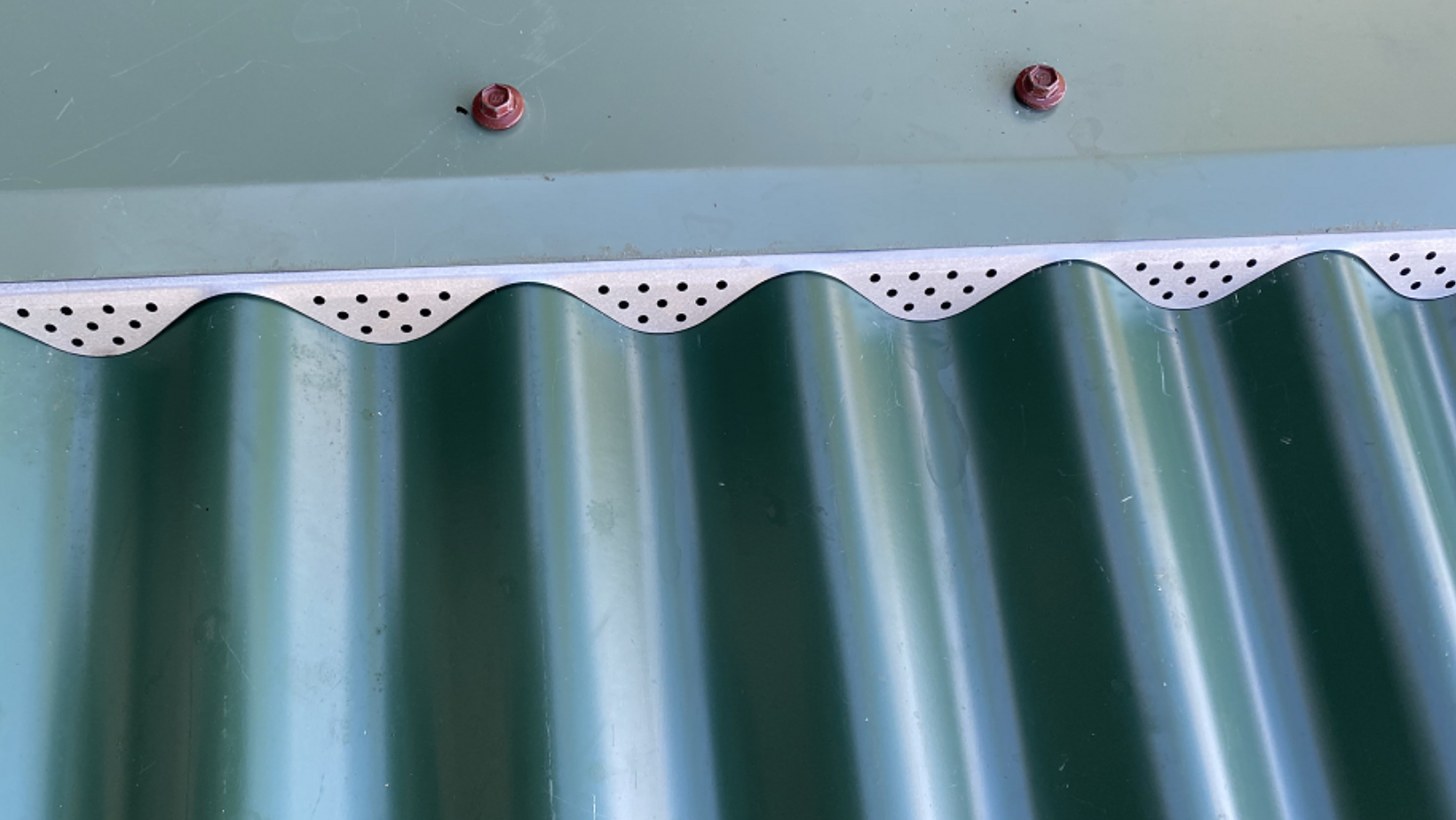
These products are designed to seal the profile gaps beneath the ridge cap while still allowing for neat installation and ventilation options where required.
Perforated versions are also available for sheds requiring BAL or bushfire considerations.
3. Ignoring Roller Door Gaps
Many people spend time sealing the shed walls and roof—but completely overlook the roller doors.
Roller doors are one of the most common areas for:
- Dust intrusion
- Vermin entry
- Leaves blowing inside
- Draughts and airflow issues
The gaps around the top, sides, and bottom of roller doors are often larger than people realise.
Common Mistake:
Only sealing the bottom of the door while leaving the top and sides exposed.
Better Solution:
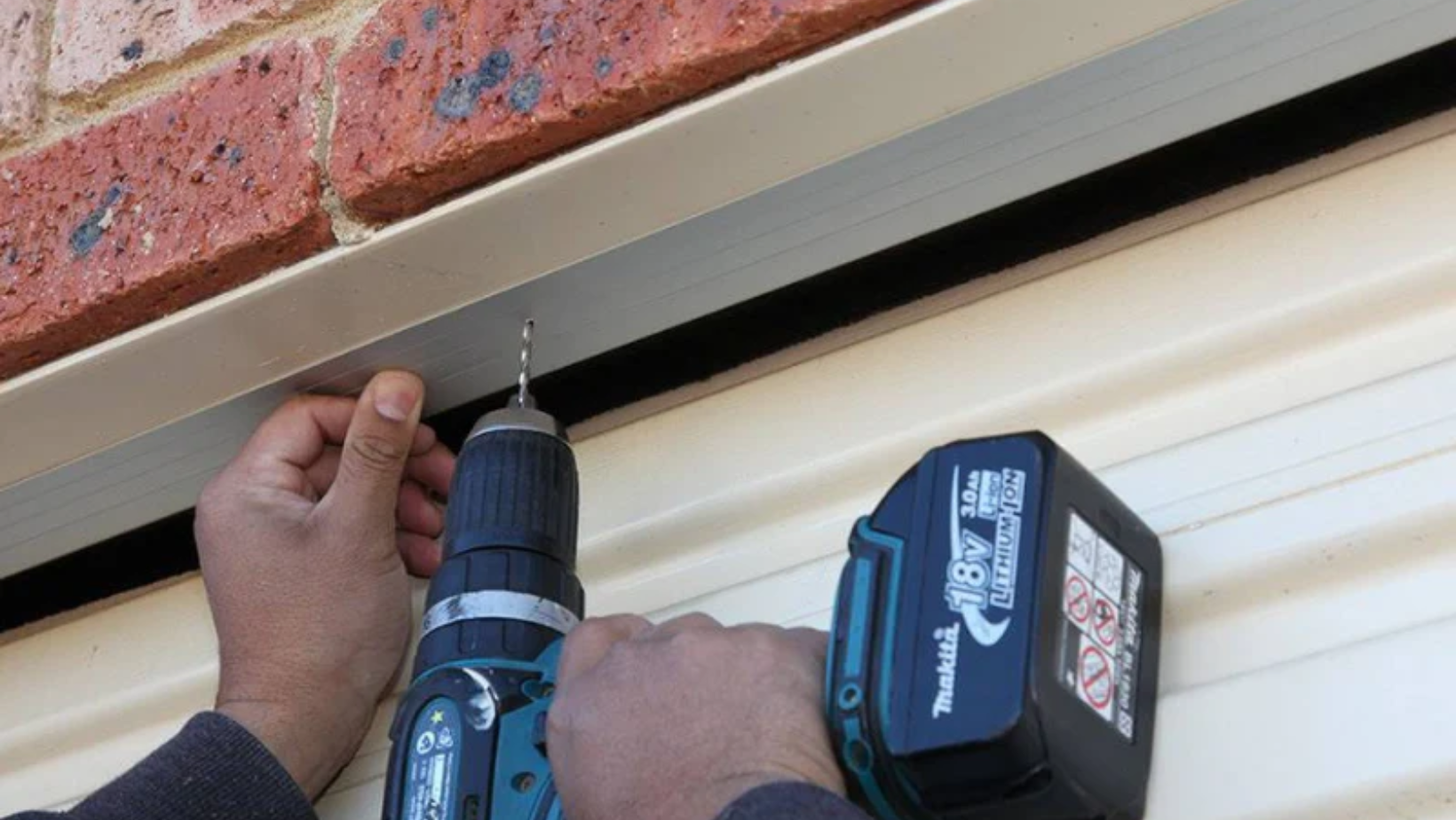
A complete sealing setup should address:
- Top of the roller door
- Side gaps
- Bottom edge gap
Products like:
work together to help reduce airflow, dust, and vermin entry.
Cleverseal is designed for the top and sides of roller doors, while Cobra Seal is designed specifically for the bottom edge of the door.
These products are complementary and can be used together for more complete protection.
4. Choosing the Wrong Cladding Profile
One of the most overlooked mistakes is ordering sealing products that don’t match the shed profile correctly.
Not all steel cladding is the same.
Common Australian profiles include:
- Corrugated / Custom Orb
- Trimdek
- Monoclad
- Kliplok
- Longspan profiles
Each profile has different rib heights and shapes, which means the seal must match properly to work effectively.
Problems Caused by Incorrect Profile Matching:
- Gaps still left exposed
- Poor weather sealing
- Difficult installation
- Reduced vermin protection
Better Solution:
Always identify your roof or wall cladding profile before ordering seals.
If unsure:
- Check shed plans
- Compare profile measurements
- Or send photos to the supplier for assistance
Getting the profile right makes a major difference in how effectively the shed is sealed.
5. Forgetting About Roof Edge and Gutter Gaps
Another commonly missed area is behind the gutter line where roof sheet profiles remain open.
These gaps are often large enough for:
- Birds
- Rodents
- Insects
- Wind-driven rain
- Bushfire embers
to enter the building cavity.
Explore
- To see Vermin Proofing for your home or shed go here
- To see Windows and Sliding doors for your home or shed go here
- To find Insulation for your home or shed go here
- To find steel products for your home or shed project go here
- Discover steel watertanks for your home or shed go here
- Explore mezzanine floors for the home or shed here
Better Solution:
Install products such as:
to close the roof profile gaps behind the gutter and eave areas.
This is particularly important in:
- Rural sheds
- High-wind areas
- Bushfire-prone regions
6. Sealing the Shed Too Tightly Without Ventilation
While sealing is important, some people go too far and completely restrict airflow.
A shed still needs controlled ventilation to:
- Reduce condensation
- Prevent trapped moisture
- Improve airflow
- Minimise heat build-up
Without ventilation, sealed sheds can become:
- Hotter
- More humid
- More prone to condensation
Better Solution:
Balance sealing with proper ventilation systems such as:
The goal is controlled airflow—not uncontrolled gaps.
7. Leaving Internal Corners Unsealed
Internal wall corners are another commonly forgotten area.
Where corrugated sheets meet internally, small gaps can remain exposed and become entry points for:
- Insects
- Dust
- Small rodents
Better Solution:
Use products like Corro Corners to complete the wall sealing system and close off internal corner gaps properly.
Why Proper Shed Sealing Saves Money Long-Term
Many people view shed sealing as a small finishing detail—but it can have a major impact long-term.
Proper sealing helps:
- Reduce maintenance
- Protect stored equipment
- Improve cleanliness
- Prevent vermin damage
- Reduce moisture issues
It also improves the overall usability and lifespan of the shed itself.
Final Thoughts
Sealing a steel shed properly is about more than just filling visible gaps.
The best results come from:
- Using profile-specific sealing products
- Addressing all major entry points
- Combining sealing with ventilation
- Avoiding short-term fixes like foam
From ridge caps and roller doors to roof edges and wall bases, every area plays a role in keeping your shed clean, protected, and functional.
Getting it right the first time can save a lot of problems later.
Need Help Choosing the Right Shed Sealing Products?
If you’re unsure which products suit your shed profile or sealing requirements, it’s always worth getting advice before ordering.
You can:
- Send photos of your shed profile
- Ask about matching products
- Request assistance with installation questions
Using the correct sealing products makes all the difference when it comes to properly vermin proofing a steel shed.