Wiring Your Shed Safely for Power and Lighting
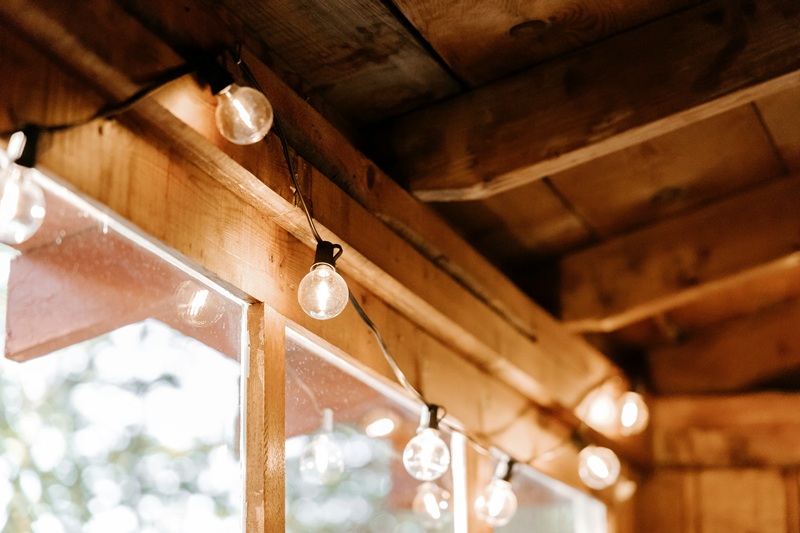
A powered shed can really change things, turning a simple storage space into a workshop, home gym, or a backyard getaway. But getting electricity out there isn’t as easy as just running an extension cord from the house.
It needs careful planning and professional installation to make sure it’s safe, legal, and works for you for years to come.
Planning Your Shed’s Electrical Needs
Before anything else, you need a clear plan. Think about how you’ll use the shed now and in the future. Will you be running power-hungry tools like a welder or a table saw? Or do you just need good lighting and an outlet to charge batteries?
Make a list of every device you might want to use. This helps figure out how many circuits and power points you’ll need. It’s always better to plan for a bit more than you think you’ll need, rather than finding yourself short on power later. A good way to approach this is by planning for shed electricity, mapping out where you want lights and outlets. This helps avoid expensive changes down the road.
Understanding Electrical Regulations
In Australia, electrical work is heavily regulated for very good reasons. Wiring that’s not installed correctly is a big fire and electrocution risk. All states and territories have laws saying that any fixed electrical wiring work has to be done by a licensed electrician. This includes running cables from your house to the shed, installing a sub-panel, and wiring in lights and power points.
Trying to do this work yourself is not only dangerous but also illegal, and it can void your home insurance policy. Fines for unlicensed electrical work are serious, so it’s a risk that’s never worth taking.
When to Call a Licensed Electrician
Given these strict rules, you should call a professional right at the start. A qualified electrician should be involved from the planning stage. They can give expert advice on the best way to get power to your shed, check your home’s existing switchboard capacity, and make sure the whole setup follows Australian Standards (AS/NZS 3000).
They’ll handle everything, from digging the trench for the underground cable to installing safety switches (RCDs) and giving you a Certificate of Compliance once the job is done. This certificate proves the work was done safely and to code.
Choosing the Right Lighting and Outlets
Once you have a professional on board, you can talk about the best fittings for your shed. For lighting, LED battens are a popular, energy-efficient choice, giving bright, even light that’s great for a workshop. Think carefully about where you put them to avoid shadows where you’ll be working.
For power points, consider how tough they need to be. Weatherproof outlets with spring-loaded covers are a must to protect against dust, moisture, and insects, which are common in a shed. A good guide to shed electrics will stress how important it is to use hardware that’s rated for outdoor or workshop conditions. Don’t forget to install them at a practical height, well above any potential water.
Regular Electrical Maintenance Tips
After your shed is professionally wired, a little ongoing maintenance will keep it safe. Regularly check the condition of cords and plugs on any tools or appliances you use in the shed.
If a cord is frayed or damaged, get it fixed or replaced right away. It’s also a good idea to test the safety switch (RCD) in your shed’s sub-panel every few months.
You can do this by pressing the “Test” button; the power should cut out immediately. If it doesn’t, call your electrician.
Finally, keep the area around your switchboard and power points clean and free of flammable materials like sawdust, paint thinners, or oily rags.
A safely powered shed will add huge value and usefulness to your property. Planning properly and letting the professionals handle the installation means you can enjoy your new space with complete peace of mind.