How to Keep Your Shed Roof Strong and Weather-Ready
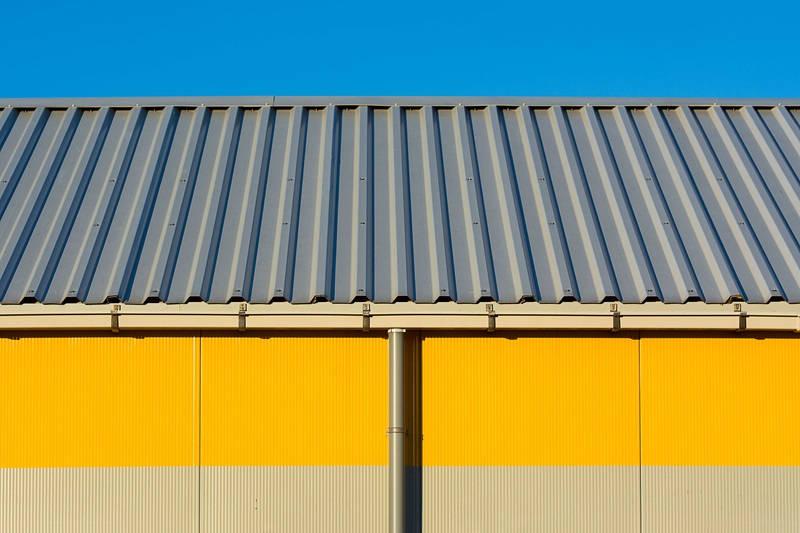
Your backyard shed is more than just a simple structure; it’s a workshop, a storage space for valuable tools, or a quiet retreat. Whatever its purpose, the roof is its single most important defence against the harsh Aussie elements. A sturdy, well-maintained roof keeps your belongings safe and dry, ensuring your shed stands strong for years to come.
Why Shed Roofs Matter
The roof is your shed’s first and last line of defence against rain, sun, and wind. If it’s compromised, you could end up with water damage, mould, and rust. This not only ruins the shed itself but also everything valuable you’ve stored inside. The type of roof also makes a big difference in how long it lasts and how well it works. Different shed roof styles and materials offer varying levels of protection and need different kinds of upkeep. Whether it’s classic corrugated iron, modern Zincalume, or tiles, picking the right material and installing it properly is key to a shed that lasts and stays reliable.
Common Shed Roof Problems
Even the best-built shed roof can run into problems over time. The elements are usually the biggest cause. Here are some common issues:
- Leaks and Water Damage: These often come from loose screws, cracked seals, or storm damage. Even a small leak can cause a lot of water damage inside.
- Rust and Corrosion: This is a big problem for older metal roofs, especially near the coast. Rust weakens the metal sheets and can create holes.
- Physical Damage: Things like fallen tree branches during a storm or just general wear and tear can lead to dents, punctures, or panels coming loose.
- Sagging: If your roofline sags, it’s a serious warning sign. This can mean there are structural problems with the roof’s frame, often due to long-term water damage or too much weight.
Signs Your Shed Roof Needs Attention
Catching problems early can save you a lot of hassle and money later on. It’s a good idea to check your shed roof a couple of times a year, especially after a big storm. Look out for these warning signs:
- Water stains on the ceiling or walls inside the shed.
- Daylight showing through the roof from the inside.
- Rust spots or peeling paint on metal sheets.
- Loose or missing screws, nails, or flashing.
- A build-up of leaves, debris, or pooling water.
- Moss or algae growth, which can trap moisture against the roof surface.
If you notice any of these, it’s time to act before a small issue turns into a major one.
Professional Roofing for Shed Durability
While tightening a loose screw is an easy DIY fix, bigger problems need a professional. Trying complex repairs without the right experience can often make things worse or lead to injury. For issues like extensive rust, structural sagging, or a full re-roof, calling an expert is the smartest move. A specialist in roofing has the right tools, safety gear, and expertise to assess the condition of your shed roof and recommend the most suitable repair or replacement solution. They can also advise on the best materials and roof design for your specific needs and local climate, helping ensure long-lasting protection.
Preventative Care for Your Shed Roof
A little preventative maintenance goes a long way in making your shed’s roof last longer. If you make these simple tasks a regular habit, you can prevent most major issues from ever happening.
Start by regularly clearing leaves, twigs, and other debris from the roof surface and any gutters. This stops water from pooling and causing rust or leaks. While you’re up there, trim back any overhanging tree branches that could fall and cause damage during a storm. Finally, do a quick visual check every few months for loose fasteners or early signs of wear, and fix any small issues before they get bigger.
Protecting your shed starts at the top. A bit of regular attention means your shed and everything in it stays safe, dry, and secure, no matter what the weather throws at it.