What to Do When Water Is Backing Up Into Your Sink or Shower
Water overflowing from your shower drain or sink is more than just an inconvenience. In fact, sewage contains high amounts of harmful bacteria and microorganisms that can make you and your family very ill. A clogged drain is very common and the reason why water backs up in your shower. You might wonder where shower water goes at the time it backs up. You might deal with water overflowing in toilet situations or find your water tank overflowing. You might need to know what to do at the time toilet water overflows. We’ve got you covered. In this piece, I’ll walk you through why water backs up and immediate steps to take. You’ll also learn how to unclog a toilet at the time water overflows and prevention strategies.
Why Water Backs Up Into Your Sink or Shower
You can identify the problem faster and know when to call for professional help once you understand what causes water backup.
Clogged Drain Line
Hair, soap scum and debris accumulate inside your drain pipes over time. Strands of hair combine with soap residue to form stubborn blockages that restrict water flow in the bathroom. If you’ve ever dealt with a blocked drain Ipswich residents commonly experience, you’ll know that kitchen sinks face a different challenge too: grease and food particles coat the inside of pipes and narrow the passage until water doesn’t drain very well. These local clogs affect individual fixtures first. You’re dealing with a clogged drain line specific to that fixture if only one sink or shower is backing up.
Sewer Line Blockage
Your sewer line connects all household drains to the municipal system. Water backs up through the lowest drains in your home when this main line becomes blocked. Showers and floor drains are affected first. Tree roots cause 75% of wastewater blockages. Roots enter tiny cracks in underground pipes and seek moisture and nutrients, then expand to create massive obstructions. Collapsed or corroded pipes also restrict flow, especially in older homes with outdated materials. Heavy rainfall can overwhelm the municipal sewer system and force wastewater back into residences. Note that the problem lies in your main sewer line if multiple drains are slow or backing up at the same time.
Blocked Vent Pipe
Vent pipes regulate air pressure throughout your drainage system and allow water to flow smoothly. Negative air pressure builds up and prevents proper drainage when vents become blocked. Leaves and twigs fall into vent openings on your roof. Birds build nests inside these pipes. Ice formation creates stubborn blockages in colder climates. You’ll hear distinctive gurgling sounds from drains and toilets without adequate airflow. Water may even be sucked from P-traps and allow sewer gases to enter your home. Blocked vents affect multiple fixtures because the entire plumbing network shares the same ventilation system.
Damaged or Improperly Installed Pipes
Pipes installed without proper slope cannot drain well. Water will stagnate and encourage blockages if the drain line isn’t angled right because gravity won’t do its job. Poor installation also means inadequate ventilation, which creates air pressure problems. Faulty connections between pipes become collection points where debris accumulates. Cheap or unsuitable materials deteriorate through corrosion or wear. Ageing pipes crack or collapse due to shifting soil and create rough edges that snag waste and trigger recurring backups.
Immediate Steps to Take When You Notice Water Backup
Quick action protects your home from extensive damage and keeps your family safe from contamination.
Stop Using Water Throughout Your Home
Water backing up means you need to stop using all sinks, toilets, showers, and appliances that use water right away. More sewage gets pushed into your home when you flush or drain water. The problem worsens. Don’t drain tubs or sinks until you fix the backup problem. Any fixture connected to the affected drain line adds pressure to an already compromised system and forces contaminated water further into living spaces.
Turn Off the Water Supply
Shut off the valve for your home’s main water line to prevent more water from filling backed-up pipes. You’ll find the main valve in your basement, garage, crawl space, or near your water metre most of the time. Turn it clockwise until it feels tight and stops moving. Have someone confirm the water flow has ceased by checking a tap inside your home. Don’t force the valve if it appears stuck. Keep gloves and tools like a spanner or shifting wrench nearby for valves that won’t turn with bare hands.
Remove Standing Water Safely
Evacuate the flooded area first. Turn off electrical power in affected rooms because electrical wires or appliances might contact standing water. Don’t approach electrical devices if your main circuit breaker is in a flooded basement. Remove standing water with a wet/dry vacuum or pump. Never use a regular household vacuum because it gets damaged and spreads contaminants. Wear protective gloves, boots, and a mask whilst removing water to protect yourself from harmful bacteria.
Avoid Using Chemical Drain Cleaners
Chemical drain cleaners contain corrosive substances like sulphuric acid or sodium hydroxide that damage pipes over time. These products cause skin burns, eye damage, and respiratory problems if inhaled. They contaminate water sources and harm aquatic life. Chemical cleaners often provide temporary relief whilst masking the real problem. Clogs return and require repeated applications.
How to Fix Water Backing Up Into Your Drains
Several methods can resolve water backup. Start with simple DIY solutions before you call professionals.
Use a Plunger Correctly
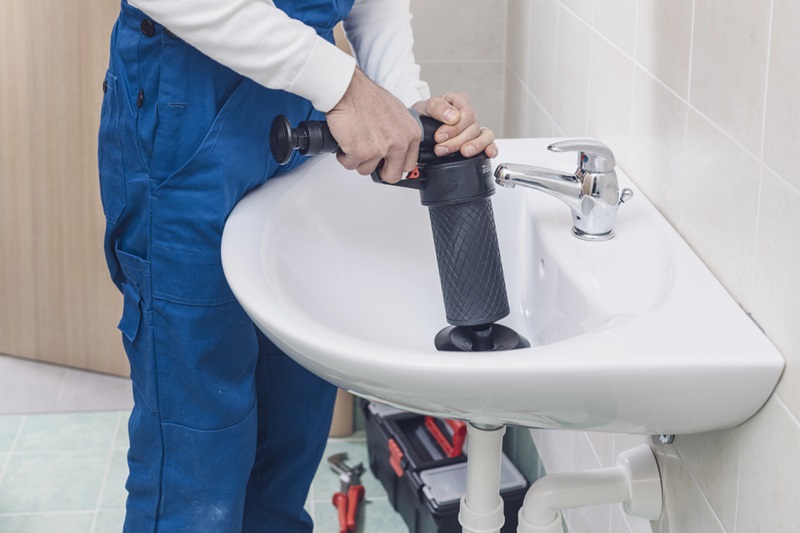
A flat-bottomed cup plunger works best for sinks and showers. Water should cover the plunger’s rubber cup. Seal any overflow holes with a wet rag to build pressure. The plunger goes directly over the drain. Press down firmly to create an airtight seal. Quick, controlled thrusts work best, push straight up and down for 15 to 20 seconds. Sharp removal of the plunger creates extra pressure that may dislodge the blockage. Run water to test drainage. You can repeat the process several times if needed.
Try a Drain Snake
A hand-crank drain snake clears hair and soap clogs. The flexible metal cable feeds into the drain while you turn the handle clockwise and push forward. Resistance means you’ve hit the blockage, continue turning to break through. Pull the snake back up to retrieve debris caught on the auger. Hot water flushed through the drain afterwards confirms the clog is cleared.
Use Baking Soda and Vinegar
Half a cup of baking soda goes down the drain first. Follow with half a cup of vinegar. The combination triggers a chemical reaction where molecules get exchanged and create carbon dioxide and water that bubbles through the clog. Cover the drain with a cloth to trap the foaming action. The mixture needs 30 minutes to an hour to sit. Boil water and pour it into the drain. Allow time for it to move through pipes and flush loosened material.
When to Call a Professional Plumber
Water backing up in multiple fixtures at once indicates a main line problem beyond DIY reach. Call a plumber. Persistent slow drainage despite repeated cleaning attempts signals deeper issues. Foul odours that don’t disappear and gurgling sounds in several drains also point to problems.
What Professional Plumbers Can Do
Licenced plumbers use CCTV drain cameras to pinpoint exact blockage locations and identify mechanisms like tree roots or pipe collapse. Motorised drain machines with interchangeable cutting heads clear dense clogs and mineral buildup up to 30 metres from the access point. High-pressure water jetting removes stubborn accumulations. Pipe relining repairs damaged sections without excavation.
How to Prevent Water From Backing Up Into Your Sink or Shower
Prevention requires less effort and expense than repairs.
Install Drain Covers and Hair Catchers
Hair causes most shower blockages. A drain cover or hair catcher will trap strands before they enter pipes. Remove collected debris from your drain cover each week. Brush your hair before showering and you’ll remove loose strands that would otherwise wash down the drain. Teach children not to play with small toys near drains. Bottle caps and razor covers often cause blockages.
Avoid Putting Grease and Food Waste Down Drains
Cooking oils and fats congeal inside pipes and form fatbergs that block sewer systems. Wipe pans with paper towels before washing and you’ll remove excess grease. Seal larger amounts of oil in a container and bin it. Sink strainers will catch food particles. Coffee grounds and food scraps contribute to blockages and should go in the rubbish bin instead.
Schedule Regular Drain Cleaning
Most households need professional drain cleaning every 6 to 12 months. Larger families or homes with heavy kitchen use require more frequent servicing.
Watch for Early Warning Signs
Slow drainage signals developing blockages. Gurgling sounds indicate air pressure problems in your drainage system. Foul odours near drains suggest stagnant water or sewage gases escaping through cracked pipes. Multiple drains backing up at the same time means the main sewer line needs immediate professional attention.
Conclusion
Water backing up into your drains can escalate from a minor annoyance to a serious health hazard. You now understand the common causes, from clogged drain lines to sewer blockages, and know the immediate steps to take when it happens.
Simple clogs respond to DIY methods, but don’t hesitate to call a professional plumber for persistent or multi-drain issues. Prevention through regular maintenance and mindful habits saves you time and stress in the long run.