Thermal Bridging in Metal Sheds: Common Problem Areas
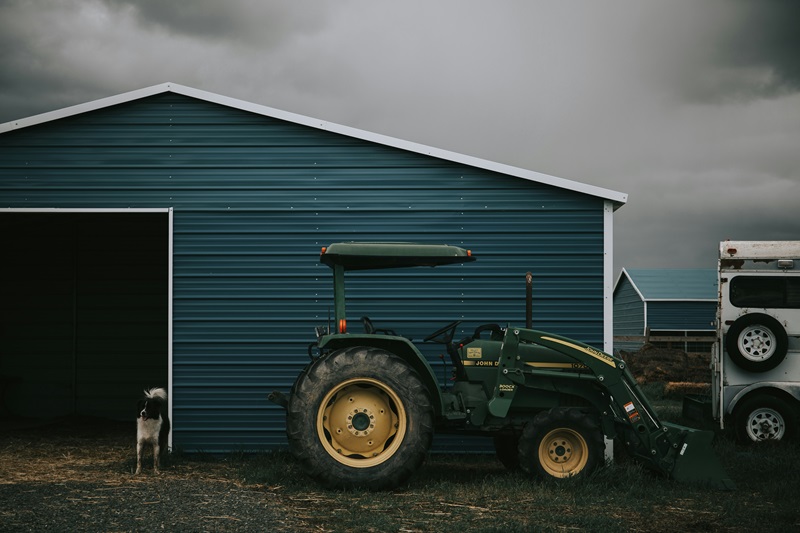
Thermal bridging happens when heat moves through a more conductive material instead of staying controlled by insulation. In metal sheds, steel panels, frames, fasteners, and joints can create cold or hot paths that affect comfort, condensation, and energy use.
This issue matters for storage, workshops, hobby rooms, and small garden buildings, so taking a thermal bridging course can help owners learn why metal details need careful insulation planning. Metal sheds are especially vulnerable because steel conducts heat much faster than wood or many insulation materials.
Why Thermal Bridges Matter in Metal Sheds
A metal shed can heat up quickly in summer and cool down fast in winter because metal transfers temperature through the structure. Good insulation helps, but weak points at frames, seams, doors, and roof edges can still let heat pass through.
Roof Edges and Eaves
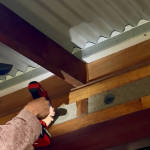
Roof edges are common thermal bridge areas because the metal roof sheets often connect directly to metal framing. This connection can create a continuous path for heat transfer at the highest part of the shed.
You can read the article about the science of thermal bridging to learn why small structural gaps can affect the whole building envelope. In a shed, roof edges also collect condensation when warm indoor air meets cold metal during temperature changes.
Roof edge problems often appear through visible moisture, uneven temperatures, or early rust:
- Water droplets near the eaves
- Cold lines along roof supports
- Damp insulation near panel joints
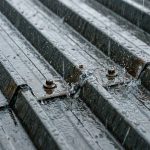
- Rust marks close to screws or seams
Wall Framing
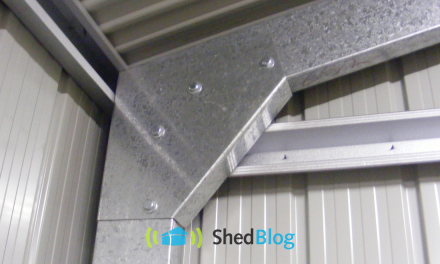
Metal studs, rails, and cross-bracing can interrupt the insulation layer. Even when insulation fills the wall cavity, the frame itself may carry heat through the wall surface.
This is a frequent issue when owners build a garden shed and later add insulation without adding a thermal break. Continuous insulation across the interior or exterior face can reduce heat movement through the frame.
Corners and Panel Joints
Corners are vulnerable because multiple metal parts meet in a small area. Panel overlaps, trim pieces, and fasteners can form a direct path between the outside temperature and the inside surface. Air gaps near joints can make the problem worse. Sealants, gaskets, and well-fitted trim can help reduce air leakage, while insulation must remain continuous around the corner.
Openings and Mechanical Areas
Doors, windows, vents, and utility penetrations often create the largest comfort problems in metal sheds. These areas break the wall surface and require careful sealing because both air leakage and thermal bridging can happen at the same time.
Doors and Frames
Metal doors and metal frames can transfer heat quickly, especially if the door has no insulated core. Gaps around the frame can also let humid air enter, which may lead to condensation on nearby panels.
Door areas should be checked for several practical warning signs:
- Drafts around the frame
- Condensation near hinges
- Warped or loose weatherstripping
- Cold flooring near the threshold
- Rust near the bottom edge
Windows and Glazing
Single-pane windows can create a cold surface in winter and a heat gain point in summer. Aluminum window frames can also act as thermal bridges if they connect directly to the shed wall without a thermal break.
Double-pane glazing, insulated frames, and proper flashing can improve performance. Window size should match the shed’s use because large openings may increase comfort problems if the building is used for work or storage.
Vents and Equipment Openings
Vents are needed for airflow, but poorly sealed openings can reduce insulation performance. Gaps around fans, ducts, or wall penetrations can bring outside air into the shed and create cold or hot spots.
Owners who plan heating or cooling should compare air conditioning options for sheds before cutting openings through the wall. Any unit, vent, or sleeve should be sealed tightly and supported so metal edges do not remain exposed.
Better Shed Comfort Starts With Details
Thermal bridging in metal sheds usually starts at predictable weak points, including roof edges, wall framing, corners, doors, windows, vents, and fasteners. These areas matter because they influence comfort, moisture control, and the long-term condition of stored items.
A metal shed can perform much better when insulation, sealing, and thermal breaks work together. Careful detailing helps reduce condensation, protect materials from rust, and make the space more comfortable across changing seasons.