How to Choose the Right Hot Water System for your Perth Home
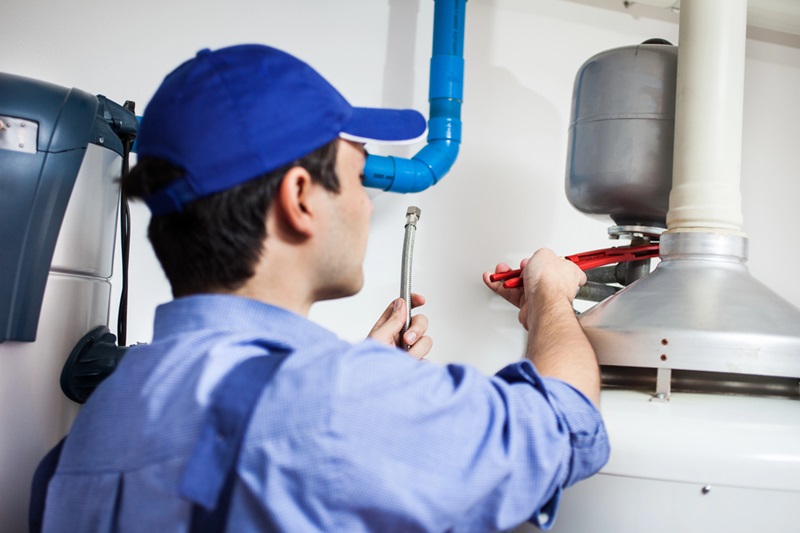
Choosing the right hot water system is one of the most important decisions a homeowner in Perth can make. With Western Australia’s unique climate, energy costs, and household demands, selecting the wrong system can mean years of unnecessary expense and unreliable performance. Whether you’re building a new home in Mandurah, replacing a failing unit, or simply upgrading for efficiency, this guide walks you through everything you need to know.
Understanding the Types of Hot Water Systems
There are four primary types of hot water systems available to Perth homeowners: electric storage, gas storage, solar, and heat pump. Each has distinct advantages depending on your property type, household size, and budget.
Electric storage systems are the most common and generally the cheapest to purchase and install. They heat water using an electric element and store it in an insulated tank, ready for use. While upfront costs are low, they tend to have higher running costs due to Perth’s electricity tariffs. For smaller households or properties without gas connections, electric storage remains a practical choice.
Gas storage systems use natural gas or LPG to heat water, offering faster recovery times and lower ongoing costs compared to electric. In Perth, where natural gas is widely available, gas storage is a popular middle-ground option. These systems are ideal for families that use hot water across multiple points simultaneously.
Solar hot water systems harness Perth’s abundant sunshine to heat water via roof-mounted collectors. With Western Australia receiving over 3,000 hours of sunlight annually, solar is one of the most cost-effective long-term solutions. While installation costs are higher, government rebates and steep energy savings typically deliver a strong return on investment within a few years.
Heat pump systems work like a reverse-cycle air conditioner, extracting heat from the air to warm the water. They are extremely energy-efficient—often using 60 to 70 percent less electricity than conventional electric storage—and perform well in Perth’s temperate conditions. For environmentally conscious homeowners looking to minimise running costs, heat pumps are increasingly the system of choice.
What Size System Do You Need?
Household size and usage patterns dictate the right tank capacity or continuous flow rate. A family of four typically requires a 250–315 litre storage tank, or a continuous flow unit rated at roughly 24–27 litres per minute. Couples or small households can often manage with a 125–160 litre tank. Oversizing wastes energy; undersizing leads to cold showers. A professional assessment ensures you match capacity to actual demand, factoring in peak morning and evening usage.
Energy Efficiency and Running Costs
Perth’s energy landscape makes efficiency a priority. Solar and heat pump systems consistently deliver the lowest running costs, followed by gas, with electric storage the most expensive to operate day-to-day. When comparing options, look at the energy star rating and estimated annual running cost on the unit’s label. Over a ten-year lifespan, the difference between an efficient system and an inefficient one can amount to thousands of dollars.
Installation Considerations
Where the system is installed affects both performance and longevity. Roof space and orientation matter for solar collectors; north-facing exposure is optimal in Perth. Heat pumps need adequate airflow and are best located outside. Gas systems require proper venting and compliance with local gasfitting regulations. Storage tanks should sit on a solid base with drainage, and all systems must be installed by a licensed plumber to comply with Western Australian plumbing codes.
Making the Right Choice for Mandurah Homes
Coastal conditions around Mandurah and Rockingham can accelerate corrosion on external units, so material quality and protective coatings are worth considering. Water quality, pressure, and existing plumbing configuration also influence which system will perform best. Rather than guessing, homeowners benefit from an on-site inspection by a local specialist who understands Perth’s climate, water supply, and regulatory requirements.
If you’re unsure which system suits your home, speaking with a local expert is the smartest first step. hot water systems Mandurah offers tailored advice, upfront pricing, and professional installation from a family-run team with deep roots in the Western Australian plumbing trade.