Best Air Conditioning Options for Sheds

An air conditioned shed is no longer just a luxury in Australia. With more homeowners using sheds as workshops, home offices, studios, gyms and hobby spaces, keeping these areas cool has become much more important.
Many Australian sheds are made from steel or Colorbond, which can absorb and hold heat throughout the day. During summer, this can quickly turn the space into an uncomfortable, stuffy and unusable area.
Choosing the right cooling solution can make a huge difference, especially if you are considering professional air conditioning installation for a shed that is used regularly. In this guide, we explore the best shed air conditioner options, including split systems, portable units, window units and evaporative coolers. We also cover shed ventilation strategies, including shed air vents, whirlybirds and shed fans, so you can find the right aircon for shed spaces based on your budget, shed size and how you use the area.
Preparing Your Shed Before Installing Air Conditioning
Proper preparation makes all the difference before you install any shed air conditioner. A shed with poor sealing will waste energy and money because cool air can escape through gaps while hot air seeps back in.
Inspect your shed for gaps, cracks and damage around doors, windows, walls and roof joins. Seal any openings with a suitable exterior-grade sealant. This helps reduce air leaks, keeps moisture out and lowers the risk of mould or condensation issues. Weather stripping around doors and windows can also help prevent draughts and keep conditioned air inside.
Insulation is just as important for an air conditioned shed. Without proper insulation, your aircon for shed spaces will need to work harder, which can increase running costs and reduce cooling performance. Insulation helps regulate indoor temperatures, reduces radiant heat from the roof and walls, and creates a more stable environment for tools, equipment and stored items.
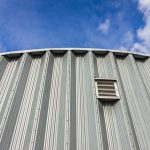
Ventilation also deserves attention. Good airflow helps manage humidity and prevents trapped hot air from building up, especially in metal sheds. Roof vents, ridge vents, whirlybirds and wall vents can work alongside your shed air conditioner to help maintain a more comfortable space.
You should also check your shed’s electrical capacity before installing air conditioning. Some cooling systems may require a dedicated circuit or professional electrical work. The distance between your house and shed can also affect power requirements, so it is best to speak with a licensed electrician before installing a fixed air conditioning unit.
Best Shed Air Conditioner Types
The right shed air conditioner depends on your budget, shed size, insulation, ventilation and local climate.
Split systems are one of the most popular options for an air conditioned shed in Australia. These systems include an indoor unit and an outdoor compressor, connected by refrigerant piping. They are efficient, relatively quiet and suitable for sheds that are used regularly as offices, workshops, studios or gyms. Many modern split systems can provide both heating and cooling, making them useful all year round.
A small split system may be enough for a compact shed, while larger sheds or poorly insulated spaces may need a higher capacity unit. Choosing the correct size is important because an undersized unit will struggle to cool the space, while an oversized unit may cycle on and off too often.
Portable air conditioners are another option. They can be moved around and are usually quicker to set up than fixed systems. However, they still need to vent hot air outside through a hose, usually via a window, wall vent or door opening. Portable units can suit occasional use, but they are often noisier, bulkier and less efficient than split systems.
Window air conditioners may be suitable for some sheds if there is an appropriate window or wall opening. They can be a budget-friendly cooling option for smaller spaces, but they are not always practical for modern metal sheds and may require modifications.
Evaporative coolers can also work well in some parts of Australia, particularly in dry climates. These systems use water and airflow to cool the air rather than refrigerated cooling. They can be cheaper to run than traditional air conditioning, but they are usually less effective in humid areas, including many coastal regions of Queensland and northern Australia.
For the best result, match the system to your shed’s size, insulation and intended use. A shed used daily as a home office will usually need a more reliable fixed solution than a shed used occasionally for storage or weekend projects.
Additional Ways to Keep Your Shed Cool
Supplementary cooling methods can reduce your reliance on a shed air conditioner and help lower energy use.
Whirlybirds, also known as turbine vents, are a simple way to remove hot air from the roof space. These wind-driven vents spin to draw warm air out of the shed and allow cooler air to enter through lower vents. For whirlybirds to work properly, your shed needs adequate intake ventilation through wall vents, eave vents or other low-level openings.
Shed air vents are also useful for improving airflow. Wall vents, louvred vents and roof vents can help hot air escape and reduce trapped heat. Ventilation is especially important in metal sheds because they can heat up quickly under direct sun.
A quality shed fan can also make the space feel more comfortable. Pedestal fans, wall-mounted fans and ceiling fans can improve air movement, especially in workshops or garages where airflow may otherwise be limited. Fans do not lower the actual temperature in the same way as air conditioning, but they can make the space feel cooler and help circulate conditioned air more effectively.
Reflective roof treatments can also help reduce heat build-up. Light-coloured roofing and heat-reflective coatings can reduce the amount of solar heat absorbed by the shed. This is particularly useful for older sheds with dark roofs or minimal insulation.
Shade can make a noticeable difference too. Planting trees, installing awnings or adding external shade structures can reduce direct sunlight on the shed walls and roof. Even partial shade can help lower internal temperatures during the hottest parts of the day.
Conclusion
Creating a comfortable air conditioned shed starts with the right preparation. Seal gaps, improve insulation, check ventilation and make sure the electrical setup is suitable before choosing a cooling system.
For regular use, a split system is often the most effective shed air conditioner option. Portable units, window units and evaporative coolers may also suit some sheds depending on the climate, budget and how often the space is used.
When combined with whirlybirds, shed air vents, fans, reflective roofing and shade, the right aircon for shed spaces can turn a hot, uncomfortable area into a practical and comfortable space throughout the Australian summer.