The Pros and Cons of Buying a House and Land Package
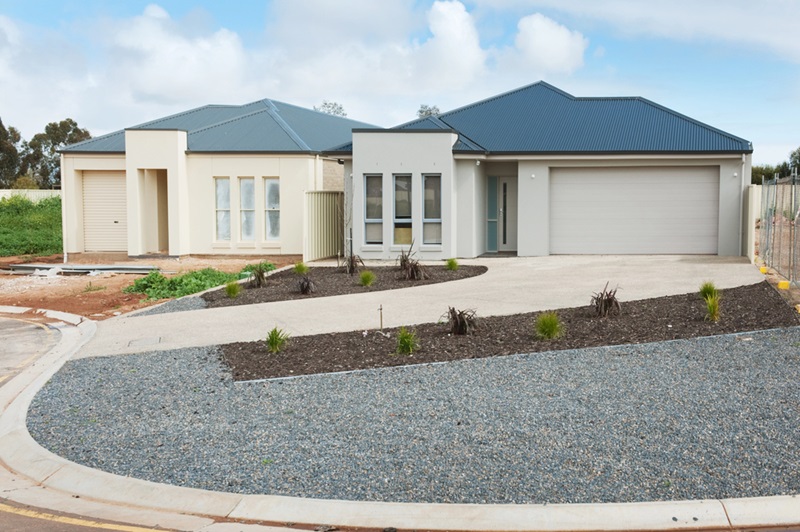
House and land packages have become a popular path to homeownership in Australia, especially for those seeking affordability and customisation. These packages can start from as little as $400,000, and many first home buyers find them an attractive alternative to established properties as a result. The financial benefits are considerable when you couple potential stamp duty savings on the land value only with access to grants of up to $10,000 for eligible buyers.
If you’ve been researching a home and land package Brisbane, you’ll know how much variety is available across different estates and price points. What are house and land packages exactly, and how do house and land packages work in practise? Are house and land packages worth it when you think about both the benefits of buying house and land packages and the house and land packages hidden costs? We’ll get into these questions in detail in this piece and learn the key advantages and disadvantages to help you make an informed decision about whether this option suits your circumstances.
What Are House and Land Packages and How Do They Work
The Basic Structure of House and Land Packages
House and land packages bundle the purchase of land with the construction of a new home. You secure both a block in a newly developed estate and a home design that will be built on that block. This is different from buying a 20-year-old property or purchasing land separately and then searching for a builder.
The structure involves two separate contracts. You sign one contract with the land developer for the block itself and another with your chosen builder for the home construction. This dual-contract approach might seem complicated, but it benefits you financially. You pay stamp duty only on the land component rather than on the finished property value. The taxable value remains much lower because the house hasn’t been built when the land contract settles.
How the Purchase Process Works
Financing for house and land packages works differently to standard home loans. You need two loans bundled into one overall arrangement: a land loan that settles first, followed by a construction loan. The land loan allows you to take ownership of the block, while construction loan funds are released in stages as your build progresses.
Construction loans use a drawdown system. Your lender pays the builder at major milestones’ completion. You make interest-only repayments on the amount drawn down so far during construction. This manages cash flow before move-in.
The building process follows several key stages. Construction begins with site preparation once you secure your land. The builder clears and surveys the land. Plumbing work and foundation pouring occur during the slab-down phase. Framing and roofing complete the framework and roof structure. The lock-up stage follows when windows and doors are installed. The fit-out stage finalises internal features like kitchens and bathrooms. This leads to practical completion and final inspection.
Types of House and Land Packages Available
Builders offer different package ranges to suit various needs and budgets. HomeSolution packages provide affordable entry points for first home buyers and cover key features. Freedom designs cater to growing families that require extra living space and flexibility. Designer packages allow greater control over layouts and finishes. Signature packages offer premium inclusions and tailored designs for long-term homes.
Specific block types also influence package selection. Narrow lot collections suit compact sites, while acreage collections provide wide layouts for larger blocks.
The Benefits of Buying House and Land Packages
The advantages of buying house and land packages go beyond the simplification of the purchasing process. They offer tangible financial benefits and lifestyle improvements that older homes often don’t match.
You Get a Brand New Home
Everything in your property will be unused and current. New appliances, fixtures and fittings mean you won’t face surprise maintenance costs from day one. Your new build delivers move-in-ready condition with modern standards already in place, unlike older homes that need immediate repairs or updates.
Potential Stamp Duty Savings
You pay stamp duty only on the land component, not the completed home value. This structure can save thousands of dollars compared to older properties where duty applies to the full purchase price. Eligible first home buyers save $13,910 on a median-priced package.
Customisation Options to Suit Your Lifestyle
Builders allow you to choose your home design, colour scheme and finishes that suit your lifestyle. Many contracts enable selection of paint finishes, kitchen appliances and bathroom fittings from basic to premium ranges. You can request specific features like outdoor eating areas, separate studies or extra-large kitchens.
Modern Energy Efficiency Standards
New homes must meet a minimum 7-star energy rating under current building codes. These energy-efficient designs can achieve cost savings from $460 to over $1,530 each year, research shows. Homes with higher ratings require 20 to 25% less energy for heating and cooling.
Builder Warranties and Guarantees
New builds include structural guarantees and defect liability periods that older homes don’t offer. Consumer guarantees apply by law and cannot be signed away. This ensures builders use good workmanship and deliver everything listed in your contract.
First Home Buyer Incentives
Eligible buyers may access the First Home Owner Grant of up to $10,000. The First Home Guarantee Scheme allows purchases with a 5% deposit without paying Lenders Mortgage Insurance. Stamp duty concessions provide full exemptions for homes valued up to $800,000.
The Drawbacks of House and Land Packages
House and land packages have appeal, but several drawbacks can affect your experience when you buy them.
House and Land Packages Hidden Costs
Advertised prices rarely tell the complete story. Additional costs ranging from $7,650 to nearly $153,000 can devastate budgets. Site preparation expenses vary based on soil quality and land slope. You’ll face costs for site levelling, excavation, and soil testing. Retaining walls and drainage solutions add more expenses. Council infrastructure contributions, development fees, and service connection charges pile on further. Landscaping, fencing, and driveways often sit outside base packages. Legal fees double because you’re reviewing two separate contracts. Rental payments and storage costs accumulate if you need temporary accommodation during construction.
Construction Delays and Timeframes
Realistic timelines span twelve to twenty-four months from original conversations to collecting keys. Development application approvals alone consume three to four months in many cases. Material shortages affect 36% of builders by a lot. Weather delays warrant a one to two month buffer in your timeline. Builder insolvency poses genuine risk and could leave you scrambling to find replacement contractors at higher costs.
Limited Location and Suburb Options
Packages exist in new estates on city outskirts. These locations often mean longer commutes and reduced access to workplaces, family, and neighbourhoods.
Lack of Community and Amenities
New developments lack schools, public transport, and healthcare facilities. Infrastructure development lags behind housing construction and limits lifestyle conveniences at first.
Design Restrictions and Covenant Rules
Covenants restrict building materials, fence types, heights, and property modifications. These agreements remain enforceable by councils and benefit from transfers between property owners. Builder catalogues offer limited design frameworks. This creates cookie-cutter appearances where homes look similar.
Are House and Land Packages Worth It
Comparing House and Land Packages to Established Homes
Established homes provide immediate occupancy once contracts settle, whilst house and land packages require twelve to twenty-four months for completion. Location presents another contrast. Established properties sit in mature neighbourhoods with existing infrastructure, whereas packages typically occupy growth corridors on city outskirts. Maintenance costs differ. New builds need minimal upkeep initially and include builder warranties covering structural issues for six to seven years. Established homes often require immediate repairs and renovation work.
House and land packages in growth areas offer stronger capital appreciation potential as infrastructure develops. Established homes provide proven growth history but may have reached peak values. Rental yields favour new builds due to modern amenities that attract premium rent with lower maintenance expenses.
Who Should Consider a House and Land Package
First home buyers benefit most from stamp duty concessions and government grants. New builds prove advantageous for investors seeking depreciation benefits and tax deductions. Families wanting customisation to suit specific lifestyle needs should explore packages. Budget-conscious buyers eligible for incentives gain savings.
Key Questions to Ask Before Committing
Check if the estate location suits your daily needs regarding transport, medical facilities and schools. Construction timeframes and potential delays need clarification. You must understand financing requirements for two-component loans. Confirm the customisation flexibility available within builder constraints. Request detailed inclusions lists covering driveways and fencing. Ask about builder warranties and defect handling processes. Ultimately, if you’re buying a property, having access to the right support and resources—like those available at Moove—can make the process more manageable and informed.
Conclusion
House and land packages offer genuine financial advantages, especially for first home buyers seeking stamp duty savings and grants. The customisation options and energy efficiency standards make them appealing alternatives to established properties.
But you need to research hidden costs and realistic construction timeframes before committing to a package. Weigh the pros and cons against your specific circumstances and budget, and you’ll make the right choice for your homeownership experience.