Understanding Construction Waste Regulations in Australia
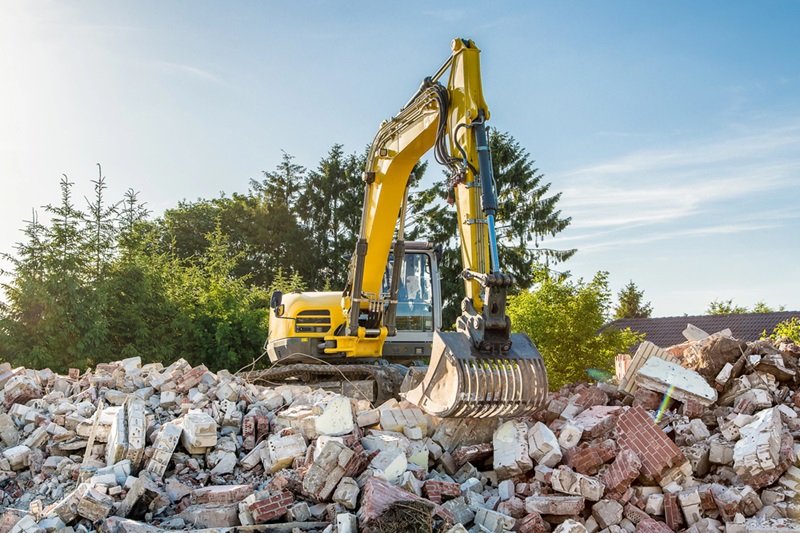
Construction and demolition produces about 44% of Australia’s total waste, amounting to 27 million tonnes annually. This makes construction waste management a critical concern for our industry. The recycling rate sits at 76% to 77%. However, navigating the complex regulatory landscape remains challenging for many professionals. Australia’s National Waste Policy, combined with state-specific regulations, creates a detailed framework that governs construction waste disposal, waste reduction targets and construction and demolition waste handling. Therefore, understanding these obligations is everything in compliance and project success. In this piece, we’ll walk you through the regulatory framework, state and territory requirements and best practises to meet your legal responsibilities.
Before diving into the details, it’s worth noting that practical waste management on-site often starts with the basics, such as organising appropriate skip bin hire to ensure waste streams are properly separated and disposed of from the outset. Getting this right early sets the tone for compliance throughout the project.
The Australian regulatory framework for construction waste
The National Waste Policy forms the basis of waste and resource recovery across our country. It outlines roles and responsibilities for businesses, governments, communities and individuals. Collective action matters. Five key principles guide Australia’s transition towards a circular economy. The 2018 National Waste Policy established these: avoid waste, improve resource recovery, increase use of recycled material and build demand for recycled products, better manage material flows to benefit human health and the environment, and improve information to support breakthroughs and investment.
National Waste Policy and its objectives
An action plan guides investment and national efforts. The 2024 National Waste Policy Action Plan sets targets and priorities extending to 2030. Seven national targets appeared in the 2019 Action Plan. These include banning waste exports commencing in 2020, reducing total waste generated by 10 per cent per person by 2030, and achieving an 80 per cent average resource recovery rate. The plan also calls for substantially increasing recycled content use, phasing out problematic plastics by 2025, halving organic waste to landfill by 2030, and making complete waste data publicly available.
The waste hierarchy principle
The waste hierarchy ranks construction waste management options by environmental desirability. Avoidance of unnecessary resource consumption sits at the top as the most preferred option. Resource recovery follows, which has reuse, reprocessing, recycling and energy recovery. Disposal remains the least preferred option. Australian jurisdictions have enshrined this principle in legislation, and it guides waste strategy development. Western Australia’s waste strategy has a target to increase material recovery to 75 per cent by 2030. Material recovery options fit our transition towards a circular economy better than energy recovery options.
Circular economy approach in Australia
Australia’s Circular Economy Framework 2024 defines our blueprint for economic transition. The framework has a national ambition to double Australia’s circularity by 2035. Targets support this ambition: shrink per capita material footprint by 10 per cent, lift material productivity by 30 per cent, and safely recover 80 per cent of resources. Four priority sectors are industry, the built environment, and agriculture and food.
Role of federal versus state regulations
Construction waste in Australia operates through three government tiers: federal, state or territory, and local. The Australian Government holds two key responsibilities. These are implementing international treaty obligations and providing national leadership that promotes breakthroughs and national data collection. The federal government does not regulate construction and demolition waste directly. State and territory governments carry primary responsibility for waste regulation and management. Each jurisdiction maintains its own legislation, guidelines and regulatory frameworks.
State and territory construction waste regulations
Each state and territory has distinct regulatory frameworks for construction waste management. This creates varied compliance landscapes in Australia.
New South Wales waste legislation
The Protection of the Environment Operations Act 1997 is the legislative foundation for waste regulation in NSW. The Standards for Managing Construction Waste started on 15 May 2019 and applies to all construction and demolition waste facilities as compulsory licence conditions. Non-compliance is a breach under the Protection of the Environment Operations (Waste) Regulation 2014. Construction produces more than 12 million tonnes of waste annually in NSW. This is more than half of all waste the state generates.
Victoria’s Environmental Protection Authority requirements
Victoria’s Environment Protection Act 2017 sets up the legal framework. It took full effect from 1 July 2021. The Act outlines 13 duties that protect human health and the environment. The general environmental duty applies to any activity that creates pollution or waste risks. Permissions like licences and permits cover various construction activities, from waste and resource recovery operations to asbestos storage.
Queensland’s waste reduction laws
Queensland’s Environmental Protection Act 1994 requires proper disposal and recycling. The Waste Reduction and Recycling Regulation 2023 started on 25 August 2023. It helps implement the Waste Reduction and Recycling Act 2011. Amendments in 2025 increased PFAS regulated waste thresholds. They also added construction and demolition waste to prescribed recycling activities. This lets businesses that achieve over 80% recycling rates apply for waste levy discounts from 1 July 2025.
Western Australia and South Australia regulations
Western Australia’s Environmental Protection Act 1986 is the regulatory framework. The Controlled Waste Regulations 2004 support it and require licenced transport for controlled waste. South Australia works under the Environment Protection Act 1993, which sets the waste management hierarchy. The Environment Protection (Waste to Resources) Policy 2010 sets general waste management obligations.
ACT and Northern Territory waste frameworks
The ACT Development Control Code sets minimum recycling proportions by weight: 90% for demolition, 90% for excavation, and 75% for construction. The Northern Territory works under the Waste Management and Pollution Control Act and the Environmental Protection Act 2019.
Key compliance requirements for construction projects
Meeting construction waste compliance obligations requires attention to multiple regulatory touchpoints throughout your project lifecycle.
Waste classification and tracking obligations
Waste classification determines proper handling and disposal methods. The Waste Classification Guidelines in NSW establish a six-step process: identifying special waste, liquid waste, pre-classified waste types, hazardous characteristics, chemical assessment, and biological transformation potential. Mixed waste receives classification according to the highest class present. To cite an instance, the entire batch requires hazardous waste treatment if hazardous material mixes with general waste.
Tracking documentation is required for specific waste types. Queensland mandates tracking for asbestos, clinical waste, tyres, hazardous chemicals, and contaminated materials. Waste transporters must maintain records including company details, vehicle registration, waste descriptions, and delivery receipts.
Construction waste management plan requirements
Most local councils require a construction waste management plan with development applications. Plans must identify waste streams, estimate volumes, outline segregation procedures, designate responsible personnel, and establish monitoring protocols. Western Australia targets 75% diversion from landfill by 2030.
Licencing and approval processes
Environment protection licences govern waste storage, processing, transport and disposal activities. Operating without licencing attracts fines and penalties. Recycling facilities in South Australia require both development approval and environmental authorisation before commencing operations.
Waste disposal and recycling facility standards
Facilities must meet environmental standards and submit regular reports to regulators. Fire safety requirements apply to waste facilities, with guidelines for storage and stockpile management.
Penalties and enforcement mechanisms
Non-compliance penalties vary considerably. NSW imposes the most severe penalties at $5 million and/or seven years imprisonment for illegal dumping. Victoria charges up to $780,000, whilst South Australia applies $30,000 penalties. Knowingly supplying false waste information carries maximum penalties of $760,000 for corporations or $370,000 for individuals.
Best practises for meeting regulatory obligations
Construction waste management that works requires systematic approaches through project phases.
Pre-construction planning and documentation
Conduct a full assessment of waste before starting work. This identifies waste types and quantities you can expect. Your construction waste management plan should outline strategies for waste reduction, recycling and proper disposal. Communicate these to all stakeholders and contractors so everyone understands their responsibilities. Plan for deconstruction by choosing materials easy to modify in future. This minimises waste during eventual demolition works.
On-site waste segregation and handling
Proper waste segregation maximises recycling opportunities and minimises landfill waste. Bins for different waste streams should be labelled: general waste, recyclables and hazardous materials. Facilities for on-site segregation promote better waste management practises and help adhere to regulations. Off-site facilities often provide detailed documentation for tracking environmental effect and compliance evidence.
Record-keeping and reporting procedures
Documentation proves due diligence during audits or council inspections. Retain demolition, excavation and construction waste dockets on-site. These confirm which authorised facilities received material for recycling and disposal. Professional waste management services provide waste transfer dockets, recycling reports and disposal certificates.
Work with licenced contractors
Select qualified waste management contractors. They should provide services for waste streams generated and data on waste generation. Ask about separated waste costs and ensure collectors implement litter management controls like covering loads during transportation.
Hazardous material management including asbestos
Construction sites generate hazardous waste including chemicals, paints and solvents that require safe handling and disposal protocols. Licenced contractors must manage asbestos removal. Non-friable material should be packaged securely and friable asbestos kept in sealed containers.
Conclusion
Construction waste regulations might seem daunting given the variations across Australian states and territories. The principles remain consistent though: follow the waste hierarchy, develop complete management plans and maintain proper documentation. Understanding both national objectives and state-specific requirements applicable to your projects determines your success. Begin with detailed pre-construction planning and work with licenced contractors. Keep detailed records. These practises will keep you compliant and contribute to Australia’s circular economy goals.