How Can Cracked Glass Be Repaired Quickly and Safely at Home?
A cracked window or glass panel is one of those household problems that feels urgent the moment it appears. Whether it happened from an accidental knock, a wayward ball from the backyard, or a temperature shift that pushed an older pane past its limit, the instinct is to fix it fast. The good news is that some glass cracks can be managed at home with the right approach. The important distinction is knowing which ones actually can, and which ones need a professional on the phone instead, especially when it comes to Glass Repair in Sydney, where experienced technicians can quickly assess and fix more serious damage.
This guide walks through the practical reality of home glass repair in Australia, covering what works, what does not, and how to handle the situation safely from the moment the damage occurs.
Stop and Assess Before You Do Anything
“Rushing a glass repair without understanding the damage first is how a manageable problem becomes a dangerous one.”
Before reaching for a repair kit or touching the glass at all, take a proper look at what you are dealing with. Not all cracks are the same, and the type of crack you have will determine every decision that follows.
Ask yourself:
- Is the glass still in one piece, or has it shattered into fragments?
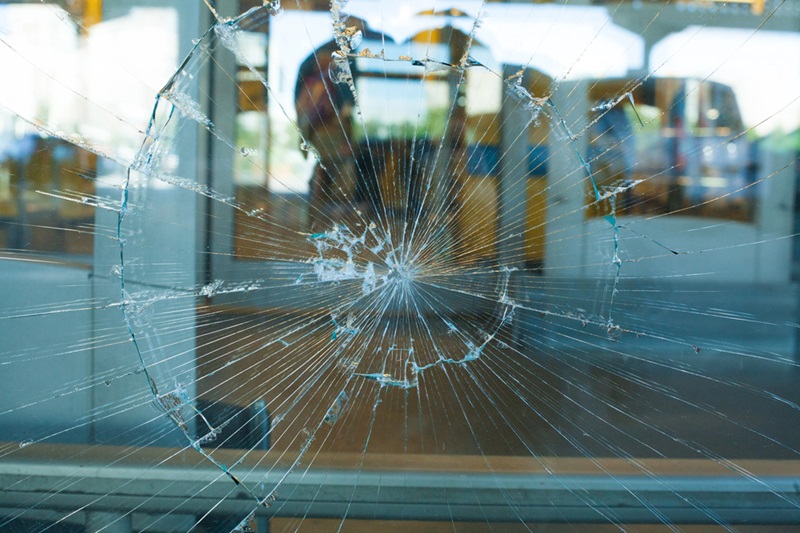
- Is the crack a single line, a star pattern, or a web of fractures spreading across the panel?
- Where is the glass located? A window pane in a spare room is very different from a shower screen, balustrade, or skylight.
- What type of glass is it? Tempered glass, laminated glass, and standard annealed glass all behave differently and require different responses.
If the glass has shattered into fragments or the crack spans most of the panel, home repair is not the right path. Secure the area, keep people away, and arrange professional replacement. If the damage is a small, contained crack or chip in a non-safety-critical location, there may be options to stabilise it temporarily while you organise a more permanent fix.
Making the Area Safe First
Safety comes before any repair attempt. Broken or cracked glass carries a real injury risk, and this step should never be skipped.
Wear thick protective gloves before handling any glass or clearing debris. Safety glasses are worth putting on if there is any risk of fragments. Place a drop sheet or several layers of newspaper beneath the glass before you start work, so any pieces that fall are contained and easier to clean up safely.
If the glass is in an external window or door and the crack leaves an opening to the weather, cover the gap temporarily with heavy-duty plastic sheeting secured with tape. This is a short-term weather seal only, not a repair, but it buys you time to organise the right solution without letting rain in or compromising the security of the space.
For shattered glass on the floor or ground, never use your hands to sweep it up. A stiff-bristled brush and dustpan handles larger fragments. Damp paper towel or a slice of bread pressed gently over the area picks up the small slivers that are easy to miss and easy to step on later.
What Home Repair Kits Can and Cannot Do
DIY glass repair kits are available at most Australian hardware stores and work using a resin compound that is injected into the crack or chip and then cured under UV light. When used correctly on the right type of damage, they can stabilise a small crack and prevent it from spreading further.
“A resin repair done well buys time. It is not a permanent fix, but it can be the difference between a manageable situation and an emergency replacement.”
These kits are suitable for:
- Small chips caused by stone impact or minor knocks
- Short hairline cracks in standard annealed window glass
- Surface damage that has not penetrated fully through the pane
- Cracks well away from the edge of the panel and the frame
They are not appropriate for:
- Tempered glass of any kind, which must be replaced rather than repaired once broken
- Laminated glass panels used in safety-critical locations
- Double-glazed units where the seal has failed, visible as fogging between the panes
- Any crack that runs to the edge of the glass, which structurally compromises the whole pane
- Glass in wet areas, overhead positions, balustrades, or anywhere Australian building codes require safety-rated glazing
The honest limitation of resin kits is that they are a stabilising measure, not a restoration. The crack will remain visible, and the structural integrity of the pane will not be fully restored. For high-traffic or safety-critical locations, they should only ever be used as a temporary measure while a replacement is arranged.
Using a Resin Repair Kit at Home
If your damage qualifies for a DIY repair attempt, here is how to do it correctly.
Clean the cracked area thoroughly before applying anything. Use a clean dry cloth to remove dust, moisture, and any loose glass particles from the crack. Any contamination trapped under the resin will affect both the appearance and the adhesion of the repair.
Follow the instructions on the specific kit you have purchased, as application methods vary slightly between products. In general, the process involves applying the resin to the crack using the provided applicator, working it into the damage carefully to eliminate air bubbles, then placing the curing strip or film over the top and exposing it to direct sunlight or a UV lamp for the recommended time.
Once cured, remove the film and use the provided razor blade or scraper to carefully remove any excess resin sitting above the glass surface. A final polish with a clean cloth should leave the repair as smooth and clear as the product allows.
Do not rush the curing time. Under-cured resin is soft and will not hold. If the weather is overcast, use a UV lamp rather than relying on natural light.
When to Call a Professional Instead
Knowing when a repair is beyond home territory is just as important as knowing how to do one. There are situations where attempting a DIY fix either will not work or creates a genuine safety risk.
Call a glazing professional when the crack is in a shower screen, glass door, skylight, or any overhead glass panel. These locations are subject to specific safety requirements under Australian building standards, and only compliant glass should be used in their replacement. Similarly, if the crack has reached the edge of the pane, the panel needs to come out. Edge cracks are not repairable and the glass will continue to deteriorate under normal stress and temperature changes.
For homeowners with architectural glass installations including glass roofs, covered alfresco areas, and structural glazing, repairs and replacements should always go through a specialist. These systems involve engineered glass products that require professional handling. Glazing providers experienced in residential and architectural glass, such as Majestic Glass, can assess the damage, identify the correct replacement specification, and carry out the work to the standard required for both safety and longevity.
Preventing Cracks From Getting Worse While You Wait
If you are waiting on a professional and the cracked glass is still in place, there are a few things you can do to slow the spread of the damage.
Keep the area around the crack dry. Moisture that works its way into a crack can expand the damage, particularly during temperature changes. A small piece of clear packing tape applied directly over the crack can help keep moisture out temporarily and hold the edges in place. This is not a repair, but it is a reasonable short-term measure for a crack in a non-safety-critical window.
Avoid exposing the cracked glass to rapid temperature changes. Do not direct a heating vent or portable heater toward the glass, and avoid using cold water to clean around it. Thermal shock can cause a stable crack to spread suddenly.
The Practical Bottom Line
Home glass repair is a realistic option for minor, contained damage in standard window glass. Done carefully with the right materials, it can stabilise a small crack and buy you time for a proper professional fix. But the scope of what qualifies as a suitable DIY repair is genuinely narrow, and erring on the side of calling in a professional is almost always the safer and more cost-effective long-term decision.
Glass in Australian homes does a lot of work, from weatherproofing and security to light control and architectural expression. Keeping it in good condition is not just about appearances. It is about making sure it continues to perform safely for everyone in the home.