Pros & Cons for Adding a Granny Flat to your Backyard
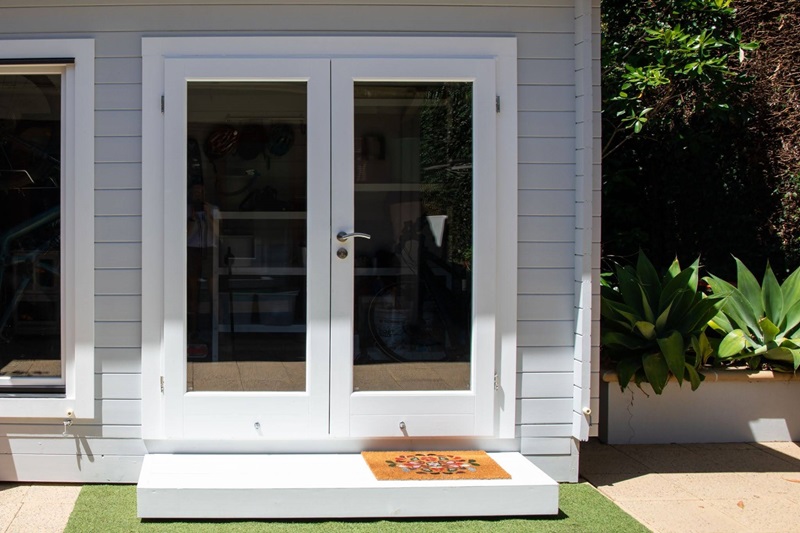
Granny flats in Australia are continuing to grow in popularity, with many Aussies making use of the space they already have by adding a second home to their backyard. For those who aren’t familiar, granny flats are basically separate self-contained homes that are constructed on the same piece of land as your primary residence.
You can use them for many different purposes, whether that be for renting out or for loved ones to live in. With rising house prices and cost of living, there are more and more homeowners looking at granny flats as an opportunity to add value and income to their property.
But is it always the right decision? Let’s take a look at some of the pros and cons of installing a granny flat in your backyard.
Pros: Where a Granny Flat Can Add Real Value
Rental Income
Among the primary benefits of building a granny flat is that it allows you to earn extra money on the side if you decide to lease it out. Setting up a granny flat for the purpose of rental income makes sense if the amount you earn exceeds upkeep costs, such as landlord insurance, repaints and general upkeep.
Another factor to consider when setting up a granny flat is whether or not there’s sufficient demand in your area for granny flat rentals. These fixtures are typically sought out by singles and older individuals or couples seeking a small, low-fuss place to stay; if you live in an area that matches these demographics, building a granny flat to supplement your income can be a shrewd move.
Increased Property Value
Besides potentially being a good source of rental income, building a granny flat can also maximise your property’s value in the long run. For one thing, if you decide to sell your home down the line, the potential of earning a little rental income on the side will appeal to potential buyers. A granny flat will also make your property more salable to multi-generation families.
The precise amount of value a granny flat adds depends on many factors, including the location of your property and the size of your granny flat. If you’d like a more specific estimate so you can run the numbers on whether this addition to your property makes sense financially, you can also reach out to a real estate agent or another property expert.
Extra Space for Extended Family
Building a granny flat can also be a good idea even if financial gain isn’t your main goal. If you’re a multi-generational household, your parents or children might want their own space. Granny flats are perfect for situations like these because they allow your loved ones privacy while also letting the whole family stay in close proximity with each other.
If you’re building a granny flat for your family, it’s a good idea to get their input during the design phase. Doing so ensures that your granny flat becomes a comfortable place to live for your loved ones.
Flexibility Over Time
Versatility is another hidden advantage of installing a granny flat. While many homeowners initially erect a granny flat for a particular reason, like sheltering relatives or as an income stream, its purpose can morph over time to suit evolving needs.
Your granny flat could serve its time as a rental for relatives before becoming dedicated office space, an art studio or Airbnb (where permitted). This way, you’ll always be able to maximise the usability of that extra space even when your initial need has passed. Long-term versatility is valuable to many owners just as much as short-term gains.
Cons: The Trade-Offs to Consider
Significant Up-Front Costs
As you might expect, building an additional structure on your land involves significant up-front costs. For one thing, you’ll need to pay the construction costs involved with building your new granny flat; the extent of these costs will depend on factors like the sort of materials you want to use, the size of your planned granny flat and your location.
More than simply paying construction costs, you’ll also need to jump over regulatory loopholes when it comes to zoning, waste management and more. This will involve spending money on various permits, which can really bloat building costs. Before starting your construction project, ensure that you have enough saved up to cover the initial costs.
Planning Restrictions and Approval Delays
Navigating council approvals and planning regulations is possibly one of the more underappreciated hurdles when it comes to constructing a granny flat. Regulations vary by location, but most constructions will require some sort of permit as well as zoning and building code compliance before work can commence.
Not only can this process take longer than you might anticipate, but it can also add additional hidden costs that may not be apparent until you start planning. Design limitations and site restrictions may also prevent you from building what you want, regardless of how set on a plan you might be.
As a result, homeowners looking to add a granny flat to their property should know that the project’s timeline and final build can sometimes be less flexible than you might hope.
Ongoing Maintenance Costs
Aside from the initial cost of building the granny flat, you’ll also incur ongoing maintenance costs. These include the cost of repairing ageing fixtures, repainting walls and other upkeep expenses.
Of course, maintenance costs aren’t the be-all-end-all, particularly if your granny flat is also a source of rental income. However, it is important to have a good idea of how much you’ll be paying in upkeep per month before building your granny flat.
Potential Loss of Privacy
Most people build granny flats because they plan to have someone else live there, whether that’s a family member or a paying renter. Whatever the case, having another individual or family living on your property sometimes leads to a loss of privacy.
Some ways to alleviate this include soundproofing both your home and the granny flat, using strategic window placement and building clearly defined boundaries between the granny flat and the main house. While it’ll always feel a little different having someone else live so close by, taking these steps helps protect the privacy of both parties.
Is a Granny Flat the Right Investment for Your Property?
Granny flats can be an excellent investment to increase functionality and add value to your property but they’re not always the right choice. The extra rent money, living space, and potential capital growth years down the track are great incentives. However, you’ll want to consider renovation costs, maintenance commitments, and space logistics before signing on the dotted line.
Given that each landowner will have their own specific plans for a granny flat, it makes sense that some would want to keep it for many years, whether for accommodating relatives or for rental purposes. Others may find that the investment, council approval process and privacy implications aren’t worth it when spread out over time.
Like anything in life, it all comes down to your personal situation and how you use your home or property. Plan thoroughly by crunching the numbers on your budget and available space, and think about your longer-term property plans before deciding if a granny flat is right for you.