The Best Equipment for Hard to Access Elevated Work
Key Highlights
- Challenging sites require flexible and adaptable access equipment
- Reach and manoeuvrability are critical for elevated work
- The right equipment improves both safety and productivity
- Many projects use boom lift hire to access difficult areas efficiently
Why Some Worksites Are More Challenging Than Others
Not all elevated work takes place in open, straightforward environments. Many job sites involve obstacles, restricted access points, uneven ground, or structures that make it difficult to reach certain areas. These challenges can significantly affect how work is planned and carried out, particularly when standard equipment is not suited to the conditions.
In these situations, using the wrong equipment can lead to delays, increased risk, and reduced efficiency. Tasks that should be straightforward may become more complicated if access is limited or if workers are unable to position themselves correctly. This is why selecting equipment that is specifically designed for difficult access is essential.
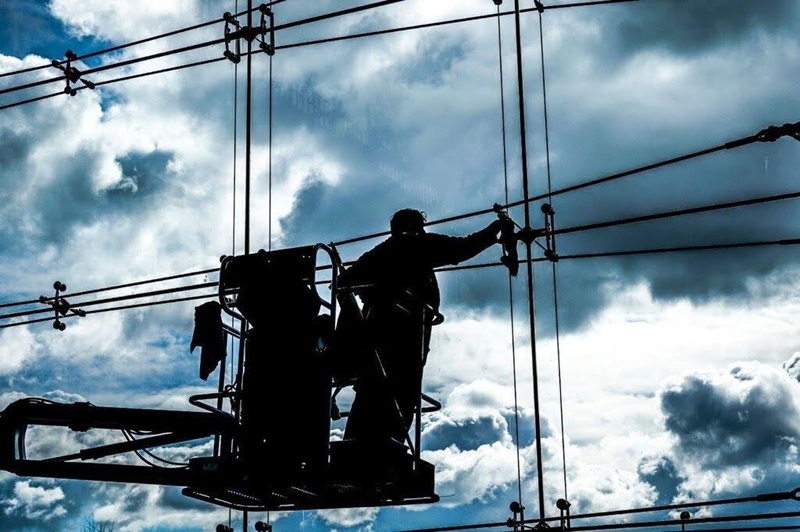
For many projects, options such as boom lift hire provide the flexibility needed to navigate complex environments. With the ability to extend both vertically and horizontally, these lifts allow workers to reach areas that would otherwise be difficult to access safely.
Understanding the unique challenges of each site helps ensure that the chosen equipment supports both safety and productivity.
The Importance of Reach and Flexibility
When working at height in complex environments, reach is not just about how high you can go. It also involves the ability to move around obstacles and position the platform precisely where it is needed. This is particularly important on sites with structures, machinery, or confined spaces that limit direct access.
Flexible equipment allows operators to approach tasks from different angles, reducing the need for repositioning and improving overall efficiency. This adaptability can make a significant difference in how quickly and safely work is completed.
Choosing equipment with the right range of movement ensures that workers can access all required areas without unnecessary complications.
Navigating Obstacles on Site
Obstacles are a common feature of many worksites, whether they are permanent structures or temporary elements such as scaffolding and equipment. These obstacles can restrict movement and make it difficult to position access equipment effectively.
Equipment designed for complex environments often includes features that allow it to navigate around these challenges. This might involve articulated arms or compact bases that can fit into tighter spaces.
Being able to work around obstacles without compromising safety is a key factor in maintaining productivity on site.
Stability on Uneven Surfaces
Uneven ground is another factor that can complicate elevated work. Outdoor sites, in particular, may have surfaces that are not level, which can affect the stability of equipment.
Using equipment that is designed to handle these conditions helps reduce the risk of instability. This includes features such as enhanced traction and support systems that maintain balance.
Ensuring stability is essential not only for safety but also for maintaining confidence while working at height.
Matching Equipment to the Task
Different tasks require different approaches, and the equipment used should reflect the specific requirements of the job. For example, tasks that involve working over obstacles or reaching across gaps require equipment with extended reach and flexibility.
Understanding the nature of the work helps guide equipment selection. This includes considering factors such as the height required, the type of movement needed, and the duration of the task.
Matching equipment to the task ensures that work can be carried out efficiently and without unnecessary adjustments.
The Role of Safety in Complex Environments
Safety becomes even more important when working in challenging environments. Limited access, obstacles, and uneven surfaces all increase the potential for risk, which makes proper equipment selection and use essential.
Operators need to be familiar with the equipment and understand how to use it safely within the specific conditions of the site. This includes being aware of load limits, operating ranges, and any environmental factors that may affect performance.
Maintaining a strong focus on safety helps prevent incidents and supports smoother operations.
Improving Efficiency Through Better Access
Access plays a major role in how efficiently work can be completed. When workers can reach the areas they need without difficulty, tasks can be carried out more quickly and with fewer interruptions.
Efficient access reduces the need for repeated repositioning and allows for more consistent progress. This not only saves time but also helps reduce overall project costs.
Investing in the right equipment is an important part of achieving this level of efficiency.
Adapting to Different Project Requirements
Every project presents its own set of challenges, which means the approach to elevated work must be adaptable. What works on one site may not be suitable for another, particularly when conditions vary.
Being able to assess each situation and choose the appropriate equipment helps ensure that work remains both safe and efficient. This adaptability is key to managing a wide range of project types.
It also allows teams to respond effectively to changes in conditions or requirements.
A More Practical Approach to Elevated Work
Working in hard to access areas requires a practical approach that focuses on the key factors influencing success. This includes understanding the site, selecting the right equipment, and maintaining a strong focus on safety.
By addressing these elements, it is possible to create a more effective workflow that supports both productivity and risk management. This approach helps ensure that even complex tasks can be completed with confidence.
Achieving Better Results on Challenging Sites
The ability to work safely and efficiently in difficult environments is an important part of many projects. With the right equipment and planning, it is possible to overcome challenges and maintain steady progress.
By focusing on reach, flexibility, and stability, teams can improve both safety and performance on site.
Over time, this leads to better outcomes and a more streamlined approach to elevated work, even in the most demanding conditions.