What Is Strata Painting and How Does It Work?
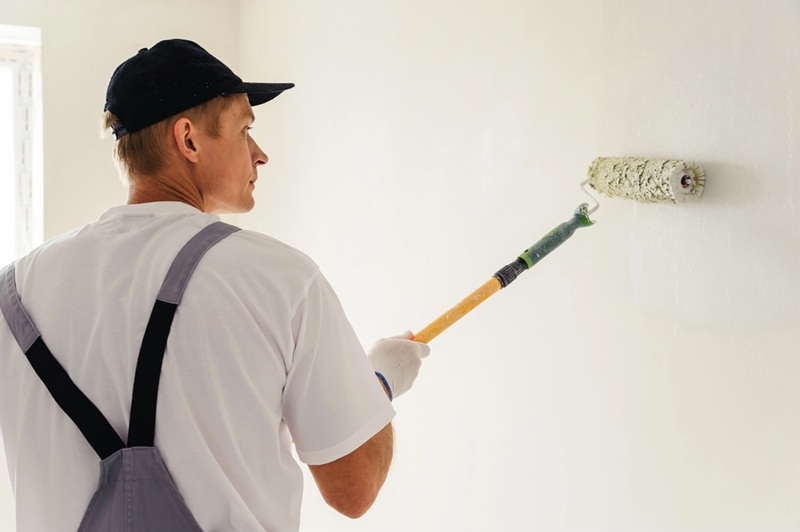
Strata painting can be a major undertaking that helps modernise and freshen up your building. It can also increase its value. Regular residential painting differs from strata painting services that cover multiple units, high-rise buildings and extensive common areas. You need specialised equipment and skilled strata painters, plus careful coordination with the body corporate.
You can save time and money when you understand who’s responsible for body corporate painting, when you need approval and how to select the right strata painting service. If you’re looking for professional strata painting services, it’s worth knowing that the general rule is that regular strata painting maintenance should happen every five to ten years.
We’ll walk you through what strata painting is, how it works and the best practices for managing your next project in this piece.
What Is Strata Painting?
Definition of Strata Painting
A strata scheme in Australia refers to a building divided into individual shared residential lots. This has townhouses and apartments where owners hold equal rights over decisions regarding maintenance, painting and building rules. Strata painting addresses the painting needs of these shared properties.
Strata painting is a specialised process focused on maintaining large-scale buildings’ exteriors. Conventional painting jobs differ from this. It involves complete cleaning, planned maintenance and meticulous aftercare. The complexity demands expertise from qualified professionals who understand the unique requirements of multi-unit properties.
Strata painting (also called body corporate painting) refers to painting projects on properties with strata title, where multiple owners share common property. This type of painting covers all common property areas shared by everyone in the strata scheme rather than individual units.
Common Areas Covered in Strata Painting
The scope of strata painting extends way beyond simple wall painting. Common areas include shared corridors, staircase and lobby areas, and the building’s exterior walls. Common recreational areas (pools, gyms, tennis courts), shared parking spaces and building entrances and foyers also fall under this category.
Car parks and basement areas, balconies and balustrades (if classed as common property), and external woodwork, trims, fascias and eaves require attention. Some complexes also need roof coatings, fencing and boundary walls, and shared facilities like clubhouses or laundry rooms.
The Difference Between Strata and Regular Painting
The difference between strata painting and standard commercial work lies in several factors. Strata painting services often cover multiple units, high-rise buildings and extensive exterior facades. This requires specialised equipment and skilled painters. Commercial painters focus on certain parts of a building. Strata painters must clean, prepare, paint, treat and maintain every corner from the lowest to the highest part.
Strata painting involves managing multiple stakeholders: owners’ corporations, residents, property managers and business operators. Each group brings unique expectations that require careful coordination. Safety and compliance standards also differ. Large-scale painting requires adherence to strict regulations, which include high-access solutions like rope access painting, scaffolding and elevated work platforms.
How Does Strata Painting Work?
Managing a strata painting project requires several coordinated steps. You need careful planning and approval from multiple parties.
Getting Approval from the Owners Corporation
You must get approval from the owners corporation before you start any painting work within a strata scheme. Present your proposed painting plans to the relevant decision-making body. These plans should have colour choices and any alterations to the building’s appearance.
Contact the owners corporation, strata committee, or strata managing agent for minor renovations and request permission. You’ll need to show plans of the work that has dates and times. You must also provide qualifications and details of tradespeople and arrangements to manage rubbish or debris. They will submit your changes to a vote at a strata meeting. The motion needs more than 50% of votes cast in favour.
The committee lacks authority to change the colour. This moves from maintenance to an improvement of common property. The project risks not receiving approval at all if the motion proposes painting with a different colour and doesn’t gain required votes.
Organising and Scheduling the Paint Job
A detailed plan is developed once you secure approval. This plan has scheduling work to minimise disruption to residents. It also coordinates access arrangements like scaffolding or safety measures. Allow 4 to 8 weeks to notify residents and plan around major holidays or school breaks.
Distribute detailed notices to all owners and tenants. Explain project dates, hours of work, areas affected and access requirements. Also cover parking restrictions and balcony clearing requirements. Hold a pre-start resident meeting on major projects. This addresses concerns upfront.
Selecting a Strata Painting Service
Get 3 to 5 written quotes from licensed strata painters. Check credentials that have licences and insurance. High-rise projects need minimum $30 million public liability coverage. Review past strata project references and portfolios. Compare methodology, timeline and materials, not just price.
Verify that painters are licensed and insured appropriately. Work with contractors familiar with strata schemes. They must adhere to relevant regulations.
The Painting Process for Strata Properties
The process begins with a consultation and assessment. Painters visit the site and evaluate building surfaces. They identify areas that need special attention like cracks, peeling paint or water damage.
Proper surface preparation follows. This has pressure washing, scraping old paint and sanding rough areas. Workers repair damage and prime surfaces to create a smooth base. Workers apply high-quality paints according to the agreed colour scheme during painting. Multiple coats ensure durability.
A final inspection ensures all work meets standards after completion. Workers make any minor touch-ups before site cleanup.
Who Is Responsible for Strata Painting?
Responsibility for strata painting splits between the owners corporation and individual lot owners, with clear boundaries that determine who handles what.
Body Corporate Painting Responsibilities
The owners corporation carries responsibility to repair and maintain common property. This includes external painting. It covers exterior building walls, shared hallways and corridors, stairwells, foyers, entry lobbies and external structures connected to the building.
Approval from the strata committee and owners corporation at a committee meeting is required before any painting of common property areas. External painting and the overall colour scheme need approval before work starts. You must check and adhere to specific by-laws and regulations for the strata scheme.
The owners corporation organises the painting work, though they can delegate this task to the strata committee or strata manager. The manager searches for a painter, organises timing and acts as the project go-between. Major paint jobs come out of the strata capital works fund. Smaller jobs like touch-ups can be paid via the administrative fund.
What Lot Owners Can Paint Without Approval
Cosmetic painting work such as retouching within individual lots is up to the lot owner. Most interior painting inside your apartment falls under the owner’s responsibility.
Owners can repaint internal walls, ceilings, skirting boards, trims and internal doors without approval. This covers the sort of painting done when refreshing a space or preparing a property for sale.
When Tenants Need Permission to Paint
Tenants must get landlord permission before painting. The tenant must refrain from painting work without permission if painting isn’t permitted in the agreement between landlord and tenant. Most contracts require consent or prohibit changes.
Tenants should refer to their agreement and ask permission from their landlord. Landlords can claim breach of the tenancy agreement and keep the bond without approval.
Best Practices for Strata Painting Projects
Careful planning and execution strategies protect your investment and minimise inconvenience in successful strata painting projects.
Planning Ahead to Minimise Disruption
Schedule painting during cooler, drier months such as March to May or September to November to optimise drying times and paint adhesion. Peak holiday periods bring increased resident activity and complicate access. Staging work by sections gives residents shorter disruption periods. Coordinate painting with annual maintenance cycles and reduce repeated scaffolding costs.
Choosing Quality Over Cost
The cheapest quote results in inferior materials and poor results. Premium paints get pricey upfront but provide longer-lasting protection and reduce frequent touch-up expenses. Quality preparation makes up 60 to 70% of a professional job. Cut corners and you guarantee premature failure.
Communicating with Residents
Advance notice through communal noticeboards, emails and letters should explain timelines, affected areas and access requirements. Regular progress updates address concerns before they turn into complaints. Clear communication builds trust and reduces friction throughout the project.
Scheduling Strata Painting Maintenance
Repainting every 5 to 7 years maintains appearance and protects against elements. Proactive maintenance prevents minor deterioration from becoming pricey repairs. Include repainting within your 10-year capital works planning horizon and avoid surprise expenses.
Working with Professional Strata Painters
Experienced strata painters understand occupied building complexities. They offer flexible scheduling and efficient project management. Verify licensing, insurance coverage and industry accreditations. Review portfolios and check references from previous strata projects to ensure capability.
Conclusion
Strata painting might seem complex at first glance. Understanding the approval process and responsibilities makes it manageable. Quality work from experienced strata painters protects your investment better than choosing the cheapest option. Note that this matters above all else. Schedule maintenance every five to seven years and communicate clearly with all stakeholders. Plan ahead to minimise disruption. Your next strata painting project will achieve professional results that improve your property’s value when you approach it with these strategies.