Roller Door Maintenance for Rural Properties: What Commercial Door Technicians Know That Shed Owners Don’t

A large roller door is one of the hardest-working components of your rural property, yet many shed owners only think about maintenance once the door starts sticking, making unusual noises or refusing to open.
Commercial door technicians take a preventive approach, following schedules to keep doors operating safely and reduce costly downtime. By applying the same professional principles to your own property, you can extend the life of your roller door, improve reliability and identify issues before they become major repairs.
Rural Conditions Create Unique Maintenance Challenges
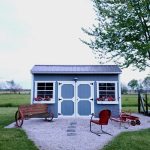
Farm sheds experience harsher conditions than many residential garages. Fine dust works its way into tracks and moving parts, strong winds can place extra stress on door components and seasonal temperature changes affect metal expansion and lubrication performance.
Even in Australia’s generally mild winters, moisture combined with dirt may accelerate corrosion without regular attention, making farm shed door maintenance particularly important.
According to the Commonwealth Scientific and Industrial Research Organisation, temperatures across Australia are rising year-round, affecting both daytime and nighttime readings. This warming trend is also leading to more extreme heat events in all seasons, especially an increase in the frequency of very hot summer days. During this season, it’s especially useful to inspect and repair outdoor equipment.
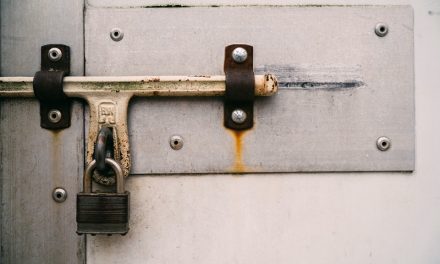
Large sheds may also house expensive machinery, making door reliability both a security and a convenience issue. Improving outbuilding security can help protect valuable equipment and vehicles while reducing opportunities for theft, making routine maintenance part of an overall property protection strategy.
Why Commercial Technicians Prioritise Roller Door Lubrication
One of the simplest professional maintenance tasks may also be one of the most overlooked. Proper roller door lubrication reduces friction between moving components, helping the door operate smoothly while minimising wear on rollers, hinges and bearings.
Commercial technicians rarely apply lubricant everywhere. Instead, they tend to focus on the moving components designed to rotate or pivot, such as roller bearings, hinges and spring mechanisms where appropriate.
When the moving parts of your garage door, such as hinges, tracks and rollers, begin to squeak, it’s a sign that they need lubrication. Applying a lithium grease or silicone spray can help solve the problem. A professional technician will typically use these lubricants as part of a routine maintenance service and may also sell them.
A seasonal lubrication schedule generally works well for most Australian rural properties, although sheds with heavy daily use may benefit from more frequent inspections.
The Truth About Roller Door Spring Replacement
Many property owners underestimate the amount of tension in roller door springs. According to Garage Daily, worn or failing springs can counterbalance the door’s weight and eventually cause doors to shut unexpectedly. When springs wear out, the symptoms often include uneven movement, difficulty opening the door manually or excessive strain on the motor.
Although many maintenance jobs are suitable for capable property owners, roller door spring replacement is not one of them. Work involving stored mechanical energy may pose significant hazards without proper controls. Springs under tension can release enormous force with any mishandling, posing a serious risk of injury.
Shed Roller Door Troubleshooting Before Calling a Technician
Experienced technicians often begin by eliminating simple issues before assuming a major fault exists. Effective shed roller door troubleshooting starts with a visual inspection. Check whether debris has accumulated inside the tracks, whether rollers appear damaged or worn and whether mounting brackets have loosened due to vibration.
Dust, leaves and insects commonly create obstructions that affect door movement without indicating mechanical failure. Next, observe how the door moves. Jerky movement, unusual noises or uneven travel often point to worn rollers, inadequate lubrication or balance problems rather than electrical faults.
If an automatic opener struggles while the door feels heavy during manual operation, the counterbalance system may require professional inspection.
When Professional Help Is Worth It
One of the biggest differences between commercial maintenance programs and typical rural property maintenance is recognising the limits of DIY repairs. Cleaning, lubrication and visual inspections are well within the capability of most property owners. However, spring systems, lifting cables, motor repairs and door realignment require specialised training and equipment.
Professional technicians also have access to measurement tools to confirm door balance, identify worn components before failure and ensure safety systems operate correctly after servicing. These inspections are particularly valuable for large workshop doors, where the weight and operating forces are considerably greater than those in standard residential garages.
Combining regular owner maintenance with scheduled professional inspections may help you reduce breakdowns, extend the service life of your roller door and minimise disruptions during busy periods when reliable access to your machinery shed matters most.
Small Maintenance Tasks That Prevent Major Repairs
Building inspections concentrate on critical areas where minor flaws can escalate into major problems. Inspectors examine key structural components like load-bearing elements, the roof frame and the subfloor, while also checking for foundation movement and the effectiveness of waterproofing in wet areas. The results are then presented in a detailed, easy-to-understand report that gives the owner or buyer a clear picture of the property’s condition.
Creating a simple inspection routine every few months helps you identify developing problems early. Listen for changes in operating noise, watch for uneven door movement and look for loose fasteners, rust or damaged weather seals. Cleaning tracks with a soft brush while removing accumulated dust around moving parts takes only a few minutes but can significantly improve operation.
It’s important to avoid forcing a door that feels unusually heavy or becomes jammed. Continuing to operate a damaged door may increase stress on springs, motors and mounting hardware, turning a relatively inexpensive repair into a much larger project.
A Little Preventive Maintenance Goes a Long Way
Commercial technicians know that roller doors rarely fail without warning. Most problems develop gradually through wear, dust accumulation or neglected servicing. Following a consistent maintenance routine that includes roller door lubrication, regular farm shed door maintenance, prompt shed roller door troubleshooting and appropriately timed industrial roller door servicing will help keep your rural property operating smoothly for years to come. While routine cleaning and inspections are excellent preventive measures, always leave roller door spring replacement and other high-tension repairs to qualified professionals.