Protecting Your Shed: A Guide to Roof Longevity
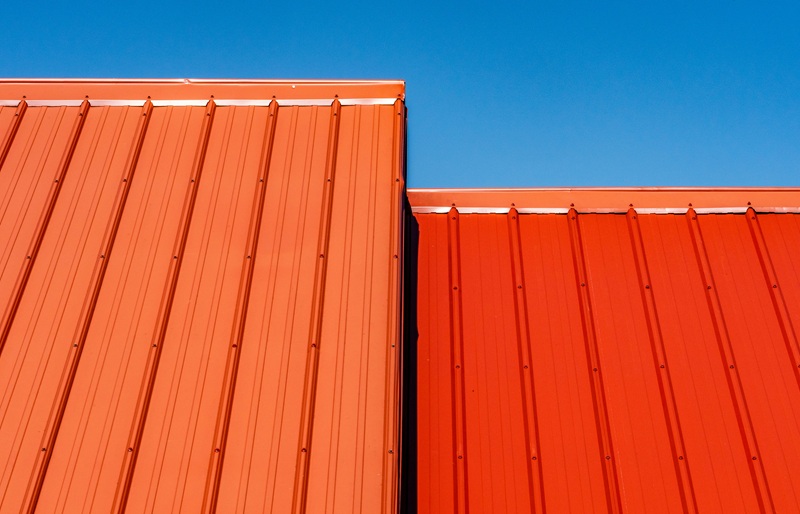
A well-kept shed is a great asset to any backyard, but its most important part is often the one people forget about: the roof. A strong roof keeps your tools, equipment, and stored items safe from Australia’s harsh weather. Over time, though, constant sun, rain, and wind will wear it down. That’s why regular maintenance is crucial to stop expensive damage and make sure your shed lasts for years.
Common Shed Roof Problems
Your shed roof constantly battles the weather, which can lead to a few common problems. Leaks are the most obvious issue. They often start as small drips but can quickly turn into major water damage, encouraging mould and rotting timber frames. For metal roofs, rust is a big enemy, especially near the coast or in humid areas. It can weaken the metal sheets and create holes. Physical damage from falling branches, hail, or even wildlife can also compromise the roof’s strength, letting in water and pests.
The Role of Gutters in Shed Health
Many shed owners don’t think about gutters, but they’re vital for protecting the whole structure. Gutters collect rainwater from the roof and direct it away from the shed’s foundation. Without them, water runs down the walls, causing stains and rot, and pools around the base. This can damage the foundation and make the shed unstable. Clogged gutters are just as bad as having none at all. When they’re full of leaves, twigs, and other debris, they overflow, pushing water under the roof eaves and against the walls. Regular gutter cleaning is a simple but effective way to prevent this overflow and protect your shed from top to bottom.
Signs Your Shed Roof Needs Attention
Spotting roof problems early can save you a lot of trouble and money. It’s worth doing a quick visual check every few months, especially after a big storm. Inside the shed, look for water stains on the ceiling or walls, a musty smell, or any signs of mould. Outside, check for sagging spots on the roofline, which could mean structural weakness. Other warning signs include visible rust on metal sheets, cracked or missing tiles or shingles, and loose or damaged flashing around vents and joins. If you see granules from asphalt shingles collecting in your gutters or on the ground, it means the shingles are getting old and losing their protective layer.
Extending Your Roof’s Lifespan
Being proactive with maintenance is the best way to make your shed’s roof last. Start by keeping it clean. Use a stiff brush to clear away leaves, dirt, and other debris at least twice a year. This gunk can trap moisture and speed up corrosion or rot. Trim back any overhanging tree branches that could drop leaves or fall on the roof during a storm. Choosing the right shed roof styles and materials also makes a huge difference to how long it lasts. If you’re building or re-roofing, pick options that suit your local climate.
Taking a little time to care for your shed’s roof will ensure it continues to protect your valuable belongings for a long time. A simple inspection routine is all it takes to catch issues before they become major headaches.