How to Upgrade Your Workshop Shed for Heavy-Duty Storage
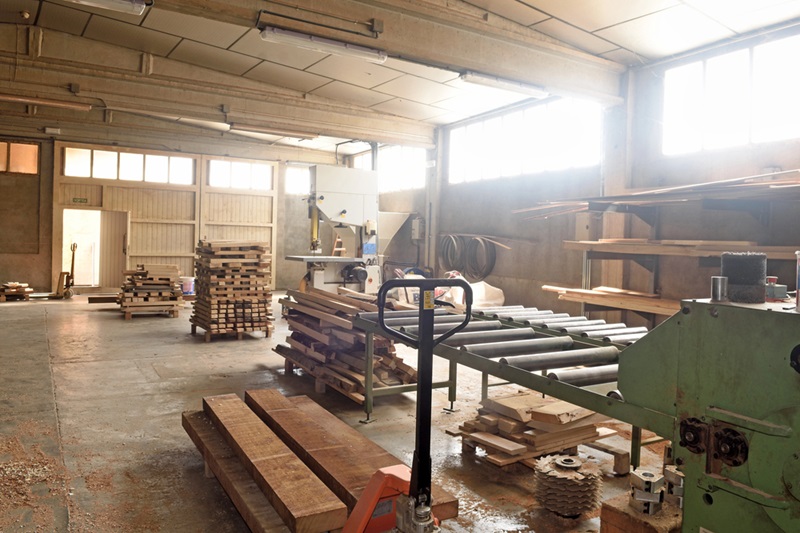
Workshop sheds in Australia are not just a place to hide from the elements; they are the backbone of many trade industries, manufacturing, and building businesses. As a carpenter, builder, or even an equipment supplier, your workshop shed is your lifeline to a successful business. Heavy-duty storage is not just about stuffing your workshop with materials; it is about ensuring your workshop shed is equipped with storage facilities that support the weight and size of your materials while ensuring your workflow is smooth and uncluttered.
As a trade worker, one of the most common problems facing many people when it comes to workshop shed storage is dealing with bulky and heavy materials. Steel beams, timber pallets, concrete molds, and industrial machinery parts require storage facilities beyond ordinary shelving; they require storage facilities that are heavy-duty, secure, and safe to support the materials while protecting your workforce. Stillage storage is the answer to your problems.
Why Heavy-Duty Storage Matters
Before you think about upgrading your workshop shed, you need to first understand the importance of storage in your workshop. A poorly managed workshop shed is likely to cause a myriad of problems, ranging from:
- Safety Hazards: Heavy materials in your workshop shed may fall over, causing injuries.
- Waste of Valuable Time: Your workforce may spend valuable time looking for the right materials.
- Poor Space Management: Poor storage facilities may hinder your business from expanding.
- Damage to Your Materials: Without proper storage facilities, your materials may warp, bend, or even deteriorate.
Step 1: Assess Your Current Shed Layout
Before you proceed to install any storage system in your shed, you need to take note of your current storage facility. To achieve this:
Measure your floor space: Note your floor width, length, and height.
Note heavy items to be stored: List items that are heavy and need strong support.
Note workflow zones: Consider where you want to locate your preparation area, working area, and storage area.
It is recommended that heavy items are placed near where they are most frequently used to avoid unnecessary movements.
For large sheds, you can consider dividing your storage space into different zones. This is a common strategy in warehouses. Your storage facility can be divided into different zones to ensure maximum storage capacity while maintaining an efficient workflow.
The different zones can include:
Bulk storage zone for storage of raw materials
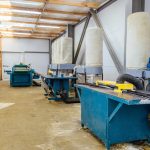
Tool and machinery zone for storage of equipment
Work zone where items are assembled or repaired
Step 2: Invest in Heavy-Duty Shelving
You cannot use ordinary shelving units to store industrial items. If your storage facility contains timber beams, metal rods, or machinery parts, you need to invest in heavy-duty shelving units made from steel.
When selecting heavy-duty shelving units for your storage facility, you should consider:
Weight capacity: The shelving units should be able to carry heavy items.
Height: Consider maximizing height while ensuring that items are not placed too high to reach.
Accessibility: Shelves should be accessible to forklifts/pallet jack equipment.
Modular shelving is also beneficial for Australian trade workers who may change their work processes from time to time or may need more storage space. The modular shelving design is flexible as your business expands.
Step 3: Introduce Stillage Systems
Stillage systems are widely used in industrial and commercial storage because they provide a strong, safe way to store, stack and transport bulky materials. Unlike regular shelving, stillages are built to handle heavier loads and larger units such as palletised timber, metal components, machinery parts or other industrial goods.
In essence, a stillage is a heavy-duty steel framework that supports large items either individually or on pallets. Because of their robust construction, stillages allow materials to be stacked vertically, helping to maximise storage space without compromising safety. Many stillage designs are compatible with forklifts or pallet jacks, meaning they can be moved or repositioned easily around a workshop, warehouse or industrial shed.
Benefits for Australian Workshop Sheds:
- Optimize your space: Stillages can be stacked vertically to save floor space for more operations.
- Protection of materials: Stillages protect your items from warping, bending, or getting damaged during storage.
- Safety: Heavy items are stored within stillages to avoid accidents.
- Easily move your items: Stillages are pallet-friendly.
For tradespeople, builders, and manufacturers looking to revamp their sheds, investing in a stillage system is a great idea to make your shed more functional, safe, and efficient.
Step 4: Utilize Vertical Space
Australian sheds come with high ceiling heights, which can be a great advantage when it comes to using vertical space. With the use of stillages and high racking, you can now store more without having to increase the shed floor space.
Tips on how you can optimize the use of vertical space:
- Place the heaviest items at the bottom, which will help you maintain stability in the shed.
- Place lighter items or frequently used tools on the top shelves.
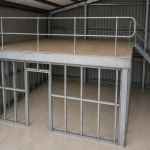
- Consider using overhead rails or mezzanine storage, which will allow you to lift stillages or pallets.
Maximizing the use of vertical space is crucial, especially when you have a small shed in a metropolitan or regional area.
Step 5: Workflow Considerations
When it comes to storage, it is also important to consider workflow. This means you should not compromise on workflow when you upgrade your storage. Consider the following:
- Frequency of use: Consider the frequency of use when you store items in the shed. You can now store frequently used items in areas that can be easily accessed.
- Workflow paths: Consider the workflow paths when you upgrade your storage. You can now use forklifts, trolleys, or even human workflow when you use stillages.
- Grouping of materials: Consider the grouping of materials when you upgrade your storage. You can now store timber with timber and steel with steel.
By using stillages, you can now create a workflow system in your shed, which will be a great advantage in the long run.
Step 6: Protect Materials From Environmental Factors
Australia has a varied climate, which means sheds can be exposed to different environmental factors.
Steel items: Use coated or galvanised stillages to prevent rust.
Timber: Raise off the floor on stillage bases to prevent moisture absorption.
Machinery components: Cover with tarps or store in closed stillage cages to prevent dust accumulation.
Even a simple improvement like this can greatly reduce damage over time.
Step 7: Plan for Expansion
One of the most common mistakes shed owners make is to design their storage solution with current needs in mind. The problem is, your business is growing, and so is your stock levels.
Modular stillage storage allows you to easily add more units in the future.
Adjustable shelving allows you to easily raise and lower shelves to accommodate different component sizes.
Flexible layout design ensures your workflow is always smooth, even when your shed is busy.
Planning your storage solution with future growth in mind saves you time, money, and stress in the long term.
Step 8: Safety Considerations
Heavy-duty storage is not just about strength; it’s about ensuring your team is safe.
Weight capacity: Ensure you’re always within the recommended safe weight capacity.
Safety stacking: Use safety clips or straps to hold your stillages together.
Safety signs: Clearly sign areas with high storage.
Access equipment: Ensure your forklifts or trolleys are in good working order.
A tidy and safe shed environment is not just good business practice; it saves you on insurance premiums and is essential to protecting your most important asset: your people.
Step 9: Label and Track Inventory
Even with the best storage solution, your shed is likely to become chaotic without the right level of organisation.
Label your stillage storage systems with what they contain and their weight.
Consider a color-coded or numbered system to easily identify what is in your storage.
If your shed is large enough, consider tracking your inventory to avoid overstocking or running out of materials.
This level of organisation ensures your new storage solution continues to provide the efficiency you need.
Step 10: Regular Maintenance
After your shed has been upgraded with your new stillage storage solution and heavy-duty shelving, the next step is to regularly maintain your new storage solution.
Inspect your storage racks and stillages regularly to check for damage.
Clean your storage areas regularly to prevent dust, pests, and debris.
Consider rotating your stock to prevent materials from being stagnant in your storage.
Regularly checking your storage solution extends the lifespan of your storage solution and ensures your workplace is safe.
Final Thoughts
Upgrading your workshop shed with a new storage solution is not just about buying new shelving; it is about thinking strategically. Tradesmen, builders, and manufacturers require a storage solution in their shed that is safe, efficient, and able to store materials effectively.
By incorporating shelving, workflow, and a stillage storage solution, you can transform your chaotic workshop shed into a professional workplace environment that is safe and maximizes your efficiency.
For any business in Australia, handling materials like pallets, timber, metals, or machinery components, a stillage storage solution is a smart business move.
It is a solution that makes sense in the long term, where every square metre in your shed is utilized.
Remember, your workshop shed is not just a storage solution; it is a protection solution, protecting your business, your workers, and your materials.