How Air Compressor Service Keeps Shed Operations Efficient
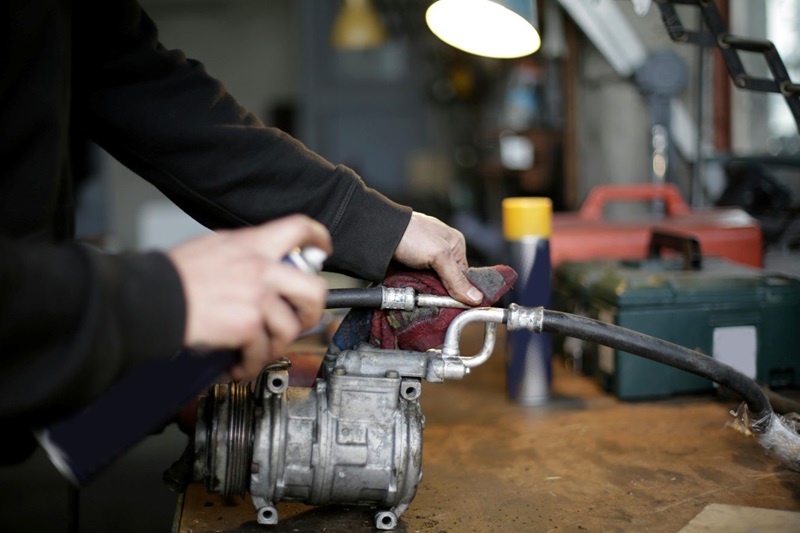
Your shed is more than a storage space. It’s the centre of daily work, housing tools, machinery, livestock equipment, or production systems that need dependable power. When operations slow down because of equipment failure, the cost is felt quickly through lost time, delayed jobs, and rising overheads. That’s why keeping your pneumatic equipment in top shape matters.
A reliable air compressor can run tools, cleaning systems, pumps, and production lines with steady performance. Yet no machine can perform well without care.
Here’s how regular servicing protects efficiency and helps you avoid expensive breakdowns when you need the system most.
Why Downtime Becomes a Serious Shed Problem
Many shed owners only notice their compressor when something goes wrong. Pressure drops, noisy motors, overheating, or moisture in lines often appear after wear has already built up. These issues can affect tools, damage stock, and create frustrating delays during busy seasons.
This is where air compressor servicing becomes essential. Professional repair and maintenance plans identify faults early, replace worn items, and restore output before failures escalate. Skilled technicians can handle motor failures, thermal shutdowns, and control issues, keeping your operation moving without unnecessary disruption.
Routine Servicing Protects Daily Productivity
A compressor that runs every day needs regular checks just like a vehicle or tractor. Dust, vibration, heat, and long operating hours gradually reduce performance. Without attention, the machine works harder, uses more power, and wears faster.
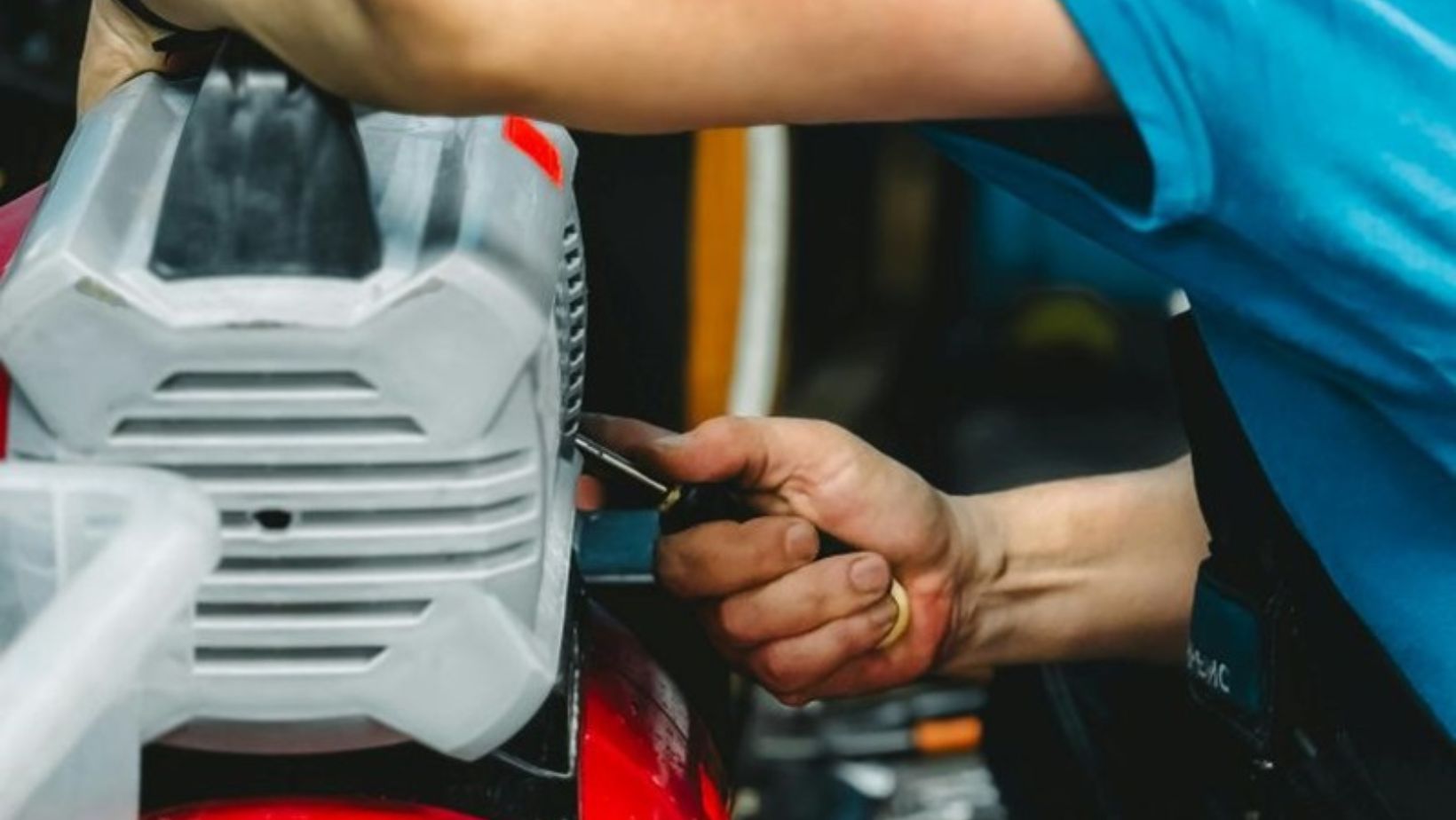
During a quality air compressor service, technicians inspect belts, drains, seals, pressure settings, and electrical systems. They replace worn compressor parts, top up suitable compressor oils, and fit fresh oil and air filters where needed. This kind of preventative maintenance keeps output stable and lowers the risk of sudden stoppages.
If your shed uses a larger compressed air system, scheduled servicing helps maintain consistent delivery across all connected tools and workstations.
Managing Air Quality and Moisture
Clean, dry air is often overlooked until it causes trouble. Moisture inside lines can rust tools, spoil finishes, and damage valves. Dust contamination can shorten the life of sensitive equipment.
Technicians often recommend servicing or upgrading air compressor dryers and air filters to improve air quality. In some setups, condensate management systems are added to remove waste moisture safely. These upgrades are especially useful where humidity levels rise during summer heat.
Air quality becomes even more important if your shed supports food preparation, livestock systems, or specialised production. Some industries likewise require medical air standards or cleaner supply conditions.
Fixing Hidden Energy Losses
Compressors that cycle too often or run inefficiently can quietly drive bills upward month after month. Professional teams perform air and energy audits to measure actual demand. They check energy usage, pressure settings, and idle time. They also use leak detection to locate waste from unnoticed air leaks in hoses, fittings, and valves. Once repaired, the system usually runs less often, saving power and reducing wear.
Choosing the Right Equipment for Shed Demands
Poor matching leads to wasted energy and early wear. Below are the most common options and in which settings they work best:
- Rotary screw air compressors for steady, high-demand workloads. These are popular where multiple tools run at once.
- Reciprocating air compressors for smaller tasks or occasional use, often offering a lower upfront cost.
- Oil-free air compressors where cleaner air is required, and contamination must be minimised.
- Centrifugal compressors for larger industrial settings needing high-volume airflow.
Choosing correctly from the start reduces future headaches. A technician can assess demand, recommend suitable compressor brands, and guide you through sales & service options that fit your budget.
Shed Layout Also Matters
Even the best compressor struggles in a poor environment. Overheating, dust build-up, and restricted airflow shorten service life and increase faults.
Your equipment performs better inside a structurally sound shed with proper ventilation. Good placement allows easier servicing, safer access, and cooler operating temperatures.
Technicians may also review piping systems, recommend better pipe sizing, or complete piping installs that reduce pressure loss across the workspace. When lines are designed correctly, you avoid flow and pressure fluctuations that affect tool performance.
Demand for Air Compressors in Agriculture and Industry
Sheds across Australia are changing. Many are becoming active work hubs supporting repairs, packing, fabrication, irrigation, and equipment maintenance.
Similarly, many agricultural equipment pieces rely on air compressors to function, including tractors and sprayers. According to government records, Australia imported AUD$ 2.1 billion-worth of agricultural machinery from 2021 to 2022, a 43% increase from the previous three-year average.
That growth suggests rising demand for dependable support systems, including industrial compressed air systems, smarter system design, and faster service response. As machinery becomes more advanced, dependable compressed air infrastructure will become even more valuable.
Building a Smarter Maintenance Plan
Waiting for failure usually costs more than planned servicing. A practical schedule should include inspections, cleaning, lubrication, and component replacement based on operating hours.
Strong programs often include preventive maintenance, fluid sampling, regular checks of vacuum pumps, support for vacuum systems, and stocked maintenance parts. If you also run a machine shop, a consistent air supply becomes even more critical for productivity and safety.
This proactive approach turns servicing from a reactive expense into a strategic investment.
Why Fast Support Makes a Difference
Breakdowns could happen despite good planning. When they do, response time matters. A trusted service centre with a capable technical support team can restore operations quickly. Long-term providers often understand your setup, making fault diagnosis faster and more accurate.
They can perform emergency repairs, temporary rental equipment, or source replacement air compressor parts and OEM parts without delay. Reliable support is especially valuable during harvest periods, production deadlines, or peak seasonal demand.
Closing Thoughts
Efficient shed operations depend on reliable systems, and compressed air is often at the centre of them. With regular servicing, smart upgrades, and quick support when problems arise, you protect productivity, reduce costs, and keep work moving when it matters most. You also extend the life of valuable equipment and reduce the chance of costly downtime during busy periods. Ultimately, a well-maintained compressor helps you stay prepared for daily demands and future growth.