How to Maintain Timber Cladding: Cleaning, Oiling, and Long-Term Care
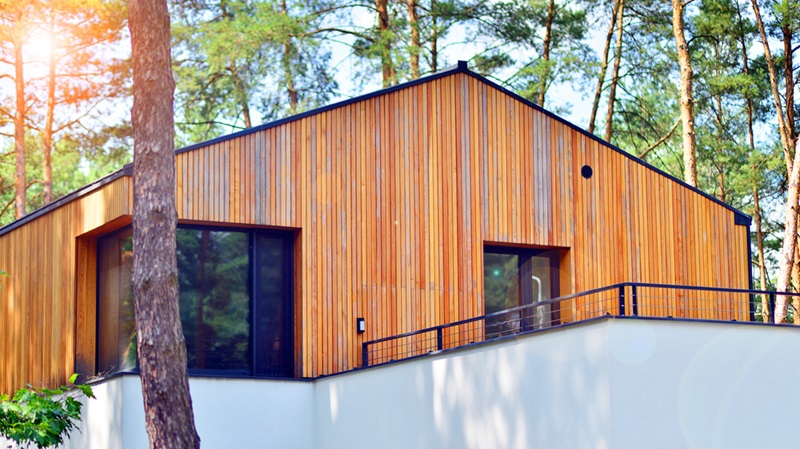
Waterproofing cladding and proper maintenance are essential for that reason: quality timber used in external wall cladding can last for more than 30 years when professionally installed and cared for correctly. Even the finest timber will succumb to UV damage, moisture and weathering without regular attention. Your maintenance period could be anywhere between 1 to 5 years, depending on your timber species and environmental conditions. In this piece, we’ll walk you through everything in waterproofing timber cladding, cleaning techniques, protective treatments and creating a long-term maintenance schedule that keeps your cladding performing at its best for decades to come.
Understanding Your Timber Cladding Maintenance Requirements
Different timber species and their care needs
Timber species fall into two broad categories with distinct maintenance profiles. Hardwoods like Oak, Spotted Gum, and Blackbutt offer greater density and natural durability, classified as Class 1 or 2 under AS 5604. These species require less frequent upkeep but still benefit from occasional oiling to maintain colour vibrancy. Softwoods such as Western Red Cedar, Cypress Pine, and Hoop Pine are lighter and more porous. They benefit from more frequent applications of oil or stain to protect against moisture ingress and UV damage.
The heartwood of durable species contains natural oils and tannins that resist decay without chemical treatment. Cedar, for instance, possesses inherent oils making it resistant to rot, pests, and decay even in harsh outdoor conditions. Less durable timbers like Radiata Pine and Slash Pine (Class 4 or 5) require treatment before installation and more frequent recoating.
Climate and environmental factors affecting maintenance
Your location determines how aggressively you’ll need to maintain waterproofing timber cladding. Coastal environments accelerate weathering through salt spray, high humidity, and increased UV exposure. Wood produces acetic acid when moisture content exceeds 20%, and this acid becomes more potent when combined with moisture or salt in the air. Coastal installations require stainless steel or non-ferrous fixings to prevent corrosion and staining.
Urban areas present different challenges. Dirt and pollution affect both colour and condition, turning some timbers almost black, cedar in particular. North-facing walls grey faster due to prolonged direct sunlight in the Southern Hemisphere. South-facing surfaces stay shaded longer, slowing the greying process but providing more uniform results.
Common issues: UV damage, moisture, and weathering
UV light breaks down lignin in timber’s surface cells and causes the characteristic silvery-grey patina. This photodegradation is cosmetic and does not affect structural integrity in durable species. Timber, being hygroscopic, absorbs and releases moisture depending on surrounding conditions. These moisture content changes cause expansion and contraction, which may lead to warping or surface checking.
Fine checking appears as tiny surface cracks when timber adjusts to humidity changes. This does not weaken the structure but represents the wood’s natural response to its environment.
Signs your cladding needs attention
Regular inspections reveal early warning signs before serious damage occurs. Watch for colour fading in protective finishes, persistent dampness that never dries, and dark spots from oxidised metal shavings on blonde timber. Warping occurs when moisture content changes unevenly and causes boards to twist or bow. Soft, spongy areas indicate rot requiring immediate board replacement. Small holes with surrounding wood dust signal insect activity, and a damp musty smell suggests fungal infestation.
How to Clean Timber Cladding Properly
Preparing your cladding for cleaning
Check your manufacturer’s recommendations before you start cleaning. Some timbers like charred cladding require specialist care. Inspect boards for damage, loose fixings, or areas needing repair. Choose a cool, dry, overcast day. Direct sunlight causes solutions to dry too fast and leaves streaks.
Gather warm water, mild detergent, a soft-bristle brush and a garden hose with spray attachment. Brush along the grain first to remove surface dust, cobwebs and loose debris.
Using timber cleaning products
Specialist timber cleaners remove stubborn contaminants including dirt, stains, mould, tannins and oils without damaging wood. Products like QuickClean act as powerful degreasers and prepare surfaces for recoating. Rejuvenator Wood Cleaner uses biodegradable plant-based ingredients and covers approximately 125m² after you mix it with water.
UltraPrep Timber Cleaner contains biodegradable organic acids that occur in nature. These restore weathered timber affected by grey discolouration, dark spots, rust or tannin staining. Apply these products as the manufacturer instructs and protect surrounding plants with drop sheets.
Pressure washing: how to use it
Pressure washing provides a deep clean that is friendly to the environment. Use low or medium pressure settings between 1500 to 2000 PSI. A 25-degree nozzle offers broad spray coverage without causing damage. Maintain 15 to 30 centimetres distance from the surface. Apply gentle, even sweeping strokes. Never use high-pressure water blasters as these can damage wood fibres.
Removing stubborn stains, mould and grey timber
Apply UltraPrep Mould Killer for mould by dissolving 100g per litre of water. Scrub it into timber and leave for 15 minutes, then wash off with a high-pressure washer. Iron staining from tannin reactions appears as blue-black spots. Oxalic acid-based cleaners remove these stains with ease.
Grey timber results from lignin degradation and washes away. Products like CUTEK Restore separate surface discolouration from timber. Apply them undiluted or diluted with water.
Cleaning frequency and seasonal considerations
Clean timber cladding every 6 to 12 months. Late autumn or early spring provides mild, dry weather and solutions work best then. Avoid strong sunlight and very cold conditions.
Oiling and Protective Treatment Application
Types of protective finishes: oils, stains, and paints
Protective finishes fall into three categories. Each offers different levels of protection and appearance. Oils penetrate deep into timber and feed it from within while providing protection against weathering, rot and UV damage. Products like Feast Watson Wood Shield Oil dry in just 30 minutes between coats. This makes application quick on rough sawn timber cladding and vertical surfaces.
Stains contain higher pigmentation levels compared to oils. They change timber colour while protecting against moisture and UV. Semi-transparent stains slow the greying process and bring out grain patterns. Solid-colour paints create durable surface layers that offer lasting protection, though they conceal natural grain. Highly pigmented coatings resist weathering best. Paler colours reflect heat more, which is particularly beneficial in Australia’s hot climate.
Choosing the right treatment for your timber
Select products made for exterior use. They provide durability against UV rays, moisture and temperature changes. Good sealants allow wood to breathe while keeping water out and prevent rot and warping. Moisture permeable coatings resist cracking, flaking and peeling associated with brittle varnishes that trap water underneath.
Application techniques and best practises
Apply finishes in thin, even layers using a brush or roller. Follow the grain for smooth results. Allow adequate drying time between coats for maximum effect and longevity. Conduct applications in suitable weather conditions and prevent moisture interference. After preparation, apply the first layer and wait 15 to 30 minutes for absorption before the second coating.
Waterproofing timber cladding and moisture protection
Waterproofing timber cladding preserves structural integrity and prevents moisture infiltration. Seal all four sides of boards before installation. This provides a protective barrier that controls moisture while timber acclimatises. It prevents swelling, warping and rotting that occurs when porous material absorbs water.
Pre-installation versus post-installation treatment
Coat all four sides of each board before installation. Apply a second coat to visible surfaces afterwards. Double-coat cut ends during installation. Pre-coating gives 360-degree protection and prevents exposed raw timber when boards shrink.
Long-Term Care and Maintenance Schedules
Creating your maintenance calendar
A routine inspection schedule should happen at least once a year. Cladding needs inspection twice yearly, preferably in spring and autumn. South-facing and western-facing elevations in Australia need more frequent attention because of heavy weather exposure, including intense afternoon sun. Professional assessments should occur every 3 to 5 years.
Inspection routines: what to look for
Look for fading finishes, warping and cracks. Mould growth and discolouration are common issues. Check for corroded or missing fixings, loose sealant and open joints. Blocked vents and gaps at material junctions need attention. Post-storm inspections catch damage early, and this is especially important after severe weather events and cyclones in northern and coastal regions of Australia.
Recoating schedules and timing
Maintenance periods range from 1 to 5 years depending on exposure. Penetrating oils need reapplication every 2 to 4 years. Paints last 6 to 10 years. Sealed charred timber needs recoating every 5 to 10 years.
Repairs and board replacement
Rotten timber must be removed and affected areas cleaned. Surfaces need to be dry before repairs start. Deep cracks require exterior wood filler applied in layers. Badly damaged boards should be replaced by cutting along stud centres and removing them with care. Pre-sealed replacement boards can then be installed.
Preventing common problems: fixings, coastal corrosion and pest issues
Stainless steel fixings are recommended for properties within 5km of the coast, and are strongly advisable anywhere along Australia’s extensive coastline. Acetic acid in timber corrodes galvanised steel when combined with salt. Dry environments must be maintained. Regular inspections for pest activity are essential, particularly for termites, which are a significant concern across much of Australia.
Expected lifespan with proper maintenance
High-quality timber cladding lasts 40 to 60 years with proper maintenance. Neglected cladding deteriorates faster and requires expensive repairs.
Conclusion
Proper timber cladding maintenance might seem demanding at first, but the rewards are substantial. Regular cleaning and timely oiling protect your investment for decades. Your maintenance schedule will vary between 1 and 5 years depending on timber species and environmental exposure, but consistency matters.
Prevention costs nowhere near what replacement does. Follow these practises and your cladding will perform well for 40 to 60 years rather than deteriorating too soon.